

cropper
Drone Central Station
  • Home
  • Categories
    • Drone Tech
    • Drone Applications
    • Drone Racing
    • Accessories
    • Real Estate
    • Military
    • Disaster
    • Drone Footage
    • Product Reviews
    • Business Profiles
August 30.2025
2 Minutes Read

Unlock Your Drone Career: Expert Tips on How to Schedule Your Part 107 Exam

Young man in red shirt explaining exam process in office setting.

SEO Keyword: Mastering Your Part 107 Drone Exam Scheduling

For tech enthusiasts and drone hobbyists looking to fly commercially, understanding how to schedule your Part 107 exam is crucial. The Part 107 certification allows you to operate drones for commercial purposes, whether it's in real estate photography, inspections, or even drone racing. This essential knowledge not only expands your capabilities as a drone pilot but also aligns you with industry regulations and standards.

In 'How to Schedule Your Part 107 Exam', the discussion dives into essential insights for aspiring drone pilots, offering a structured approach to this significant certification.

A Step-by-Step Approach to Exam Scheduling

The first step in scheduling your Part 107 exam involves understanding the FAA's testing procedures. To schedule your exam, you must register through the FAA's approved Knowledge Test Administrators (KTAs). This is a simple process that can often be completed online, allowing you to choose a date and time that fits your schedule.

Once registered, various resources are available for study. Online courses, flashcards, and practice tests can help ensure you're well-prepared. Self-study not only promotes confidence but also positions you for success when it comes time to take the test.

The Importance of Preparation

Passing the Part 107 exam takes more than just scheduling; it requires thorough preparation. Many candidates overlook this crucial aspect. You need to grasp several topics, including airspace classifications, weather effects, and operational limitations. Utilizing FAA’s free resources or signing up for dedicated courses can significantly enhance your knowledge base.

Navigating Challenges: What to Expect

Even tech enthusiasts can feel daunted when preparing for an exam steeped in regulations and technical jargon. Knowing what to expect can help ease this stress. Often, the examination consists of 60 multiple-choice questions, and test-takers must achieve at least a 70% score to pass. Being familiar with the exam format can lead to better time management and reduced test anxiety, which is vital when you're aiming for a high score.

Future Trends in Drone Certification

As drone technology advances, the landscape of drone operation is continuously evolving. The FAA is expected to update the Part 107 rules and regulations, enhancing drone capabilities in various sectors. Understanding these changes can place you ahead in the industry. As you consider scheduling your part 107 exam, it's crucial to stay informed about upcoming regulatory shifts that could affect your path.

In the world of drone aviation, certification is just the beginning. Continuous education and staying current with tech trends are essential for long-term success. With the right preparation and a proactive approach to learning, aspiring drone pilots can transform their passions into fruitful careers.

If you are ready to launch your drone career, begin your exam scheduling process today! Understanding the prerequisites and resources available to you now will better position you for success in this dynamic field.
Drone Tech

29 Views

0 Comments

Write A Comment

*
*
Please complete the captcha to submit your comment.
Related Posts All Posts
11.24.2026

What the Chinese MQ-25 Stingray-Like Drone Reveals About UAV Innovations

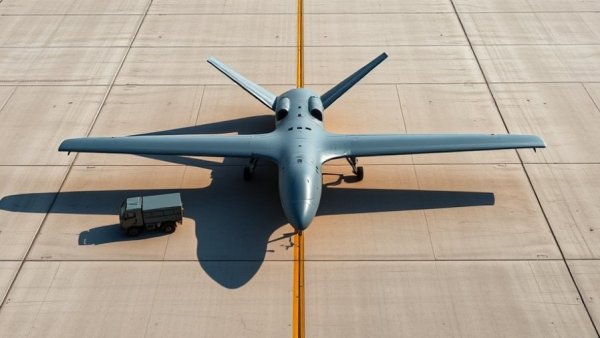
Update Unexpected Developments in China's UAV IndustryThe recent unveiling of a drone at Pucheng Neifu Airport in northwest China highlights intriguing developments in the country’s unmanned aerial vehicle (UAV) sector. With satellite imagery revealing a unit that intriguingly resembles Boeing's MQ-25 Stingray, this sighting signals potentially significant advancements in military and technological capabilities. While the precise function of the drone remains unknown, it appears indicative of China’s ambitions to enhance its naval aviation capabilities through innovative UAV designs.Design Comparisons: Learning From the MQ-25 StingrayThe MQ-25 Stingray has been developed predominantly to facilitate aerial refueling for U.S. Navy aircraft, thereby extending operational reach and versatility. The newly identified Chinese drone showcases similarities in general design philosophy, possessing a wingspan of approximately 66 feet and a length of 49 feet—dimensions that suggest it could serve analogous purposes within the context of China's military aviation objectives. However, comparative analysis reveals distinct differences: for instance, the Chinese UAV presents a tapered nose design in lieu of the Stingray's broader, flatter structure, potentially pointing toward different operational capabilities or technological directives.Shifts in Drone Technology and Future ImplicationsThis emerging UAV exemplifies a broader trend within the global drone market, particularly as nations like China escalate efforts in military integration of unmanned technologies. The incorporation of a serrated air intake and the possibility of a bifurcated engine layout point toward advanced engineering solutions focused on reducing radar signatures, which could enhance stealth capabilities. Such developments are crucial as they align with the global race for tactical superiority within aerial combat scenarios. Should these capabilities be confirmed, they could represent a transformative moment in the capabilities of China's naval air power, impacting regional security dynamics.Location Matters: Pucheng's Role in Aviation InnovationPucheng Neifu Airport, home to this innovative UAV, is strategically positioned within a larger aerospace industrial network. The surrounding facilities, including the National Aeronautics Industrial Base, illustrate how localized clusters can accelerate technological advancements and production efficiencies. This infrastructure supports not only military applications but also broader commercial UAV initiatives that may emerge from this development hub, potentially leading to dual-use technologies that serve both civilian and military purposes.Understanding the Competitive LandscapeThe implications of this drone discovery stretch beyond its mere existence; it highlights the competitive nature of global UAV development. As nations strive to outpace one another in technological capabilities, understanding how companies and governments leverage such technologies can provide insights into future defense strategies and innovations. This emergence of UAVs similar to Western designs raises questions about intellectual property, innovation controls, and the global dynamics of aerospace technologies.Conclusion: The Road Ahead for UAV TechnologyAs the landscape for unmanned aviation evolves, continuous monitoring of advancements in places like Pucheng will provide critical insights into the future of military and civilian drone capabilities. Keeping an eye on China’s developments in UAV technology, especially with drones resembling the MQ-25 Stingray, will be crucial for understanding broader geopolitical implications and innovation trajectories in the aerospace realm.

11.24.2026

Congressional Report Reveals the Critical National Security Role of US Drone Manufacturing

Update The National Security Stakes of Drone Manufacturing The recent congressional report, "Rigging the Game: How China Undermined Western Manufacturing and Helped Hollow Out American Industry," underscores the critical role of commercial drone manufacturing in the United States—something not previously highlighted in policy discussions. As technology continues to shape military and civilian landscapes, the report reveals how vital it is for the U.S. to bolster its own manufacturing capabilities, particularly in sectors with both civilian and military applications such as drones. Understanding the Connection Between Civilian and Military Drones While the report highlights multiple industries, its incisive focus on commercial drones as national security assets is pivotal. The committee draws attention to the fact that companies like DJI, known for their consumer drones, have direct ties to China's military advancements. The integration of technology into warfare means any commercial drone manufacturer can play a significant role in national security, raising questions about reliance on foreign technologies. Challenges Facing American Drone Manufacturers The landscape for U.S. drone production has grown increasingly complex due to competition from China. Dominated by companies like DJI, the drone market poses significant challenges for American manufacturers striving to maintain competitive pricing while navigating supply chain constraints. As noted in the report, the U.S. must not only ramp up drone production but also ensure access to essential components, such as semiconductors and batteries, as they are critical to scalability and affordability. Economic Implications for Drone Operators Amid federal restrictions on DJI drones, many American operators—ranging from small businesses to public safety agencies—face soaring costs when seeking alternatives. This presents a dilemma: Will users be able to afford U.S.-made drones, which typically come at a higher expense compared to their Chinese counterparts? The committee points out, however, that it isn't just about the price—reliability and performance must also meet rigorous standards. Future Predictions: The Role of Domestic Production The implication of the congressional report is clear: bolstering U.S. drone manufacturing is not merely an industrial goal, but a matter of national security. As America's drone operators navigate a landscape increasingly shaped by geopolitical tensions, domestic production offers a pathway to reduce reliance on foreign entities while guaranteeing security protocols. In this context, the push for local manufacturing could lead to advancements in technology, potentially allowing the U.S. to regain a competitive edge. Moving Forward: A Call to Action To strengthen the national security implications outlined in this report, it is imperative for technology enthusiasts, industry professionals, and policymakers to advocate for investment in domestic drone capabilities. Supporting local manufacturers and understanding the implications of foreign competitors in this sector will ensure that the U.S. remains at the forefront of both technology and security.

11.24.2026

Key Rules for Flying a Drone: Protect Yourself and Others

Update Understanding Drone Flight Regulations: A Crucial Guide For both aspiring and seasoned drone operators, understanding the intricacies of drone flight regulations is paramount. From recreational users to commercial pilots, these laws govern everything from where you can fly to legal repercussions that might arise from ignoring them. In a recent video titled There are Rules for Flying a Drone, significant insights were shared about the potential consequences of drone flights, and why it is essential for every pilot to stay informed and compliant.In There are Rules for Flying a Drone, the discussion dives into key regulations surrounding drone operations, exploring various scenarios that can lead to serious legal repercussions. Why Knowledge of Airspace Rules is Essential Many drone pilots mistakenly believe that as long as they operate their drone away from crowds, they're in the clear. However, specifics such as temporary flight restrictions (TFRs) can have serious implications. For instance, flying even miles away from an event like a World Cup match, where TFRs are established, can lead to severe penalties including fines, seizure of equipment, or even arrest. As noted in the video, drones can be detected regardless of whether the pilot believes they are operating covertly. The Real-Life Consequences of Ignoring Guidelines The far-reaching repercussions of negligent drone operation highlight the importance of being thorough. In one scenario discussed, a drone pilot flew near an active firefighting scene, subsequently colliding with a firefighting aircraft. This led to considerable ramifications, including legal charges and significant financial restitution for the damages caused. Such instances illustrate that even good intentions, such as wanting to provide footage to aid firefighters, can have unintended consequences that complicate emergency operations. Understanding Controlled Airspace: A Critical Component for Safety Many novice drone operators may not realize that even flying from their backyard requires understanding their local airspace. For example, areas classified as controlled airspace require permissions for any form of flight. Failing to do so can lead to fines that can quickly escalate, even if the flight did not pose an obvious risk. Awareness and comprehension of your surroundings are essential for any pilot to maintain compliance. Common Misconceptions About Drone Regulations A prevalent myth among drone hobbyists is that basic safety and regulation knowledge is sufficient. However, the reality is that federal authorities have documented numerous violations, often imposing hefty fines. For instance, an operator who inadvertently flew into controlled airspace can face fines ranging from $1,000 to tens of thousands—an alarming reminder of the responsibilities that accompany drone operation. What Can You Do to Stay Compliant? To navigate the vast web of drone regulations, it is crucial to undertake educational measures. The video suggests taking the free UAS Safety Test (TRUST), which offers a comprehensive overview of the necessary guidelines. Websites like Pilot Institute offer additional free courses that help demystify recreational and commercial operation. Engaging in these educational opportunities solidifies a pilot's understanding and paves the way for responsible operation. In conclusion, there is much at stake when operating drones, and being educated on the rules is not merely an option—it’s a responsibility. As a member of the drone community, your actions can shape the way society views drone technology. Follow the guidelines, educate yourself, and contribute to a safer airspace for all. For those eager to learn more and improve their skills, consider taking part in the provided training courses. Not only will this foster safer drone practices, but it will also elevate your experience as a pilot. Don’t miss out on essential training opportunities!

Drone Central Station

Drone Central Station is your HQ for all things drone. Keep up-to-date with advances in drone tech, drone usage, and new products. Get tips, product reviews, and more.

  • Drone Central Station

COMPANY

  • Privacy Policy
  • Terms of Use
  • Advertise
  • Contact Us
  • Menu 5
  • Menu 6

(510) 393-8174

AVAILABLE FROM 8AM - 5PM

City, State

, Oakland, CA

ABOUT US

Drone Central Station is your HQ for all things drone. Keep up-to-date with advances in drone tech, drone usage, and new products. Get tips, product reviews, and more.

© 2026 CompanyName All Rights Reserved. Address . Contact Us . Terms of Service . Privacy Policy

Terms of Service

Privacy Policy

Core Modal Title

Sorry, no results found

You Might Find These Articles Interesting

T
Please Check Your Email
We Will Be Following Up Shortly
*
*
*