
The National Security Stakes of Drone Manufacturing
The recent congressional report, "Rigging the Game: How China Undermined Western Manufacturing and Helped Hollow Out American Industry," underscores the critical role of commercial drone manufacturing in the United States—something not previously highlighted in policy discussions. As technology continues to shape military and civilian landscapes, the report reveals how vital it is for the U.S. to bolster its own manufacturing capabilities, particularly in sectors with both civilian and military applications such as drones.
Understanding the Connection Between Civilian and Military Drones
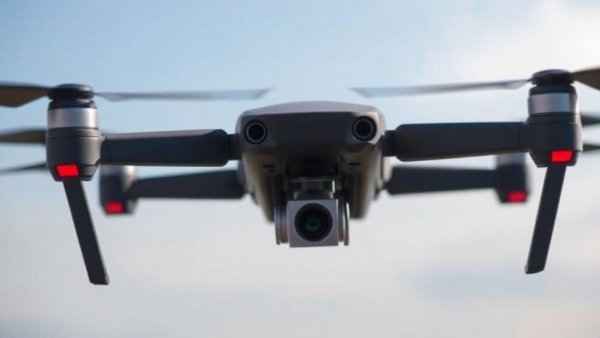
While the report highlights multiple industries, its incisive focus on commercial drones as national security assets is pivotal. The committee draws attention to the fact that companies like DJI, known for their consumer drones, have direct ties to China's military advancements. The integration of technology into warfare means any commercial drone manufacturer can play a significant role in national security, raising questions about reliance on foreign technologies.
Challenges Facing American Drone Manufacturers
The landscape for U.S. drone production has grown increasingly complex due to competition from China. Dominated by companies like DJI, the drone market poses significant challenges for American manufacturers striving to maintain competitive pricing while navigating supply chain constraints. As noted in the report, the U.S. must not only ramp up drone production but also ensure access to essential components, such as semiconductors and batteries, as they are critical to scalability and affordability.
Economic Implications for Drone Operators
Amid federal restrictions on DJI drones, many American operators—ranging from small businesses to public safety agencies—face soaring costs when seeking alternatives. This presents a dilemma: Will users be able to afford U.S.-made drones, which typically come at a higher expense compared to their Chinese counterparts? The committee points out, however, that it isn't just about the price—reliability and performance must also meet rigorous standards.
Future Predictions: The Role of Domestic Production
The implication of the congressional report is clear: bolstering U.S. drone manufacturing is not merely an industrial goal, but a matter of national security. As America's drone operators navigate a landscape increasingly shaped by geopolitical tensions, domestic production offers a pathway to reduce reliance on foreign entities while guaranteeing security protocols. In this context, the push for local manufacturing could lead to advancements in technology, potentially allowing the U.S. to regain a competitive edge.
Moving Forward: A Call to Action
To strengthen the national security implications outlined in this report, it is imperative for technology enthusiasts, industry professionals, and policymakers to advocate for investment in domestic drone capabilities. Supporting local manufacturers and understanding the implications of foreign competitors in this sector will ensure that the U.S. remains at the forefront of both technology and security.




Write A Comment