
Understanding Drone Flight Regulations: A Crucial Guide
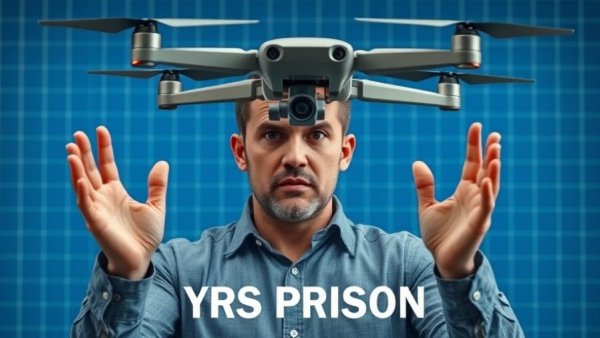
For both aspiring and seasoned drone operators, understanding the intricacies of drone flight regulations is paramount. From recreational users to commercial pilots, these laws govern everything from where you can fly to legal repercussions that might arise from ignoring them. In a recent video titled There are Rules for Flying a Drone, significant insights were shared about the potential consequences of drone flights, and why it is essential for every pilot to stay informed and compliant.
In There are Rules for Flying a Drone, the discussion dives into key regulations surrounding drone operations, exploring various scenarios that can lead to serious legal repercussions.
Why Knowledge of Airspace Rules is Essential
Many drone pilots mistakenly believe that as long as they operate their drone away from crowds, they're in the clear. However, specifics such as temporary flight restrictions (TFRs) can have serious implications. For instance, flying even miles away from an event like a World Cup match, where TFRs are established, can lead to severe penalties including fines, seizure of equipment, or even arrest. As noted in the video, drones can be detected regardless of whether the pilot believes they are operating covertly.
The Real-Life Consequences of Ignoring Guidelines
The far-reaching repercussions of negligent drone operation highlight the importance of being thorough. In one scenario discussed, a drone pilot flew near an active firefighting scene, subsequently colliding with a firefighting aircraft. This led to considerable ramifications, including legal charges and significant financial restitution for the damages caused. Such instances illustrate that even good intentions, such as wanting to provide footage to aid firefighters, can have unintended consequences that complicate emergency operations.
Understanding Controlled Airspace: A Critical Component for Safety
Many novice drone operators may not realize that even flying from their backyard requires understanding their local airspace. For example, areas classified as controlled airspace require permissions for any form of flight. Failing to do so can lead to fines that can quickly escalate, even if the flight did not pose an obvious risk. Awareness and comprehension of your surroundings are essential for any pilot to maintain compliance.
Common Misconceptions About Drone Regulations
A prevalent myth among drone hobbyists is that basic safety and regulation knowledge is sufficient. However, the reality is that federal authorities have documented numerous violations, often imposing hefty fines. For instance, an operator who inadvertently flew into controlled airspace can face fines ranging from $1,000 to tens of thousands—an alarming reminder of the responsibilities that accompany drone operation.
What Can You Do to Stay Compliant?
To navigate the vast web of drone regulations, it is crucial to undertake educational measures. The video suggests taking the free UAS Safety Test (TRUST), which offers a comprehensive overview of the necessary guidelines. Websites like Pilot Institute offer additional free courses that help demystify recreational and commercial operation. Engaging in these educational opportunities solidifies a pilot's understanding and paves the way for responsible operation.
In conclusion, there is much at stake when operating drones, and being educated on the rules is not merely an option—it’s a responsibility. As a member of the drone community, your actions can shape the way society views drone technology. Follow the guidelines, educate yourself, and contribute to a safer airspace for all.
For those eager to learn more and improve their skills, consider taking part in the provided training courses. Not only will this foster safer drone practices, but it will also elevate your experience as a pilot. Don’t miss out on essential training opportunities!



Write A Comment