
cropper
Drone Central Station
  • Home
  • Categories
    • Drone Tech
    • Drone Applications
    • Drone Racing
    • Accessories
    • Real Estate
    • Military
    • Disaster
    • Drone Footage
    • Product Reviews
    • Business Profiles
November 17.2026
3 Minutes Read

The Lakenheath Drone Panic: A Case Study in Misinformation and Technology Failures

Seven Drones, Five Drones, and Not One Confirmed: The Lakenheath Drone Panic

Understanding the Lakenheath Drone Incident: What Happened?

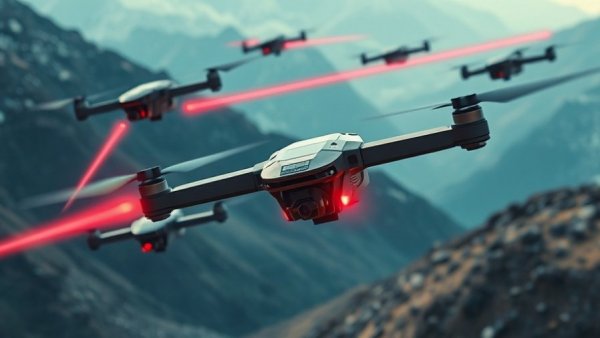
In November 2024, the airspace surrounding RAF Lakenheath was set ablaze with rumors of a drone incursion that quickly transformed from a single sighting to a national concern. Reports of numerous drones over the American airbase surfaced, but the reality was largely devoid of hard evidence. Despite patrols being dispatched, the police logs revealed an alarming contradiction: sightings failed to translate into confirmations.

Drones or Something Else? The Initial Confusion

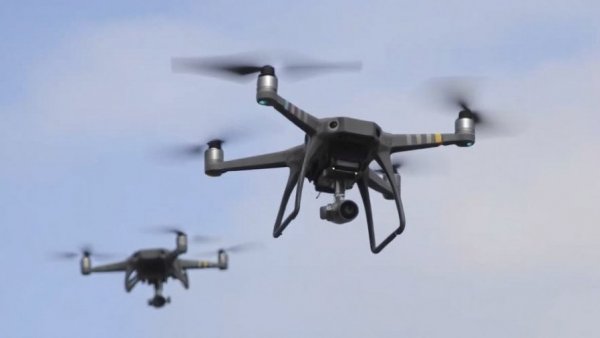
The initial allegation claimed to identify a quadcopter flying above the base. This description raised alarms, leading to immediate investigations. However, Suffolk Constabulary did not receive the report until several days later, leaving ample time for misinformation to swirl. The base police reported an inability to locate any unauthorized drones, much less confirm their nature—an essential step in validating the perceived threat. This marked the beginning of a slow descent into chaos as the reports continued without substantiation.

Escalation and Misinformation: How the Panic Grew

By November 20, narratives had shifted dramatically, claiming sightings of up to seven drones. Despite the lack of concrete evidence, police logs declared that 'drone flights are still ongoing,' demonstrating a troubling disconnect between reality and reporting. The failure to confirm these aerial objects underscored a critical challenge in military and public safety communications. Instead of correcting early errors, the unfolding reports only proliferated the confusion.

The Role of Technology: What Should Have Happened

In an age where advanced surveillance and detection technology are commonplace, the apparent inability to track these alleged drones represented a serious lapse. Military bases like Lakenheath and Mildenhall possess sophisticated electro-optical and infrared (EO/IR) capabilities that should have unambiguously identified any drones. The absence of identified targets raises questions about operational readiness and response protocols in light of potential threats.

Lessons Learned: The Need for Accuracy in Security Reporting

The Lakenheath incident serves as a cautionary tale about the dangers of premature conclusions in security matters. This event highlights another critical aspect: the potential ramifications of misinformation. In the current digital age, where opinions and narratives can travel faster than facts, this case underscores the urgent need for military and law enforcement to adopt stringent verification processes. Transparency during incidents can bolster public trust and mitigate fear.

What Could Future Incidents Look Like?

As drone technology becomes increasingly accessible to civilians, incidents like the Lakenheath panic may well become more common. If authorities do not develop robust methods to confirm sightings, society may witness more upheaval over unverified reports. Moreover, this can pressure military and law enforcement agencies to respond to perceived threats—based largely on speculation rather than actionable intelligence.

Final Thoughts: Evaluating the Evolving Landscape of Drone Threats

As technology advances, maintaining a clear, fact-based dialogue around security is more important than ever. The Lakenheath drone saga might have concluded without a single confirmed drone, but it emphasizes the need for better protocols in handling such incidents. Emphasizing verification, clarity, and consistent communication can help avert future panic and build public confidence in military readiness.

To stay informed about the latest in drone technology and military readiness, consider subscribing to industry updates and insights.
Military

6 Views

0 Comments

Write A Comment

*
*
Please complete the captcha to submit your comment.
Related Posts All Posts
11.17.2026

Why Li-S Energy's Lithium-Sulfur Batteries are the Future for Drones and Defense

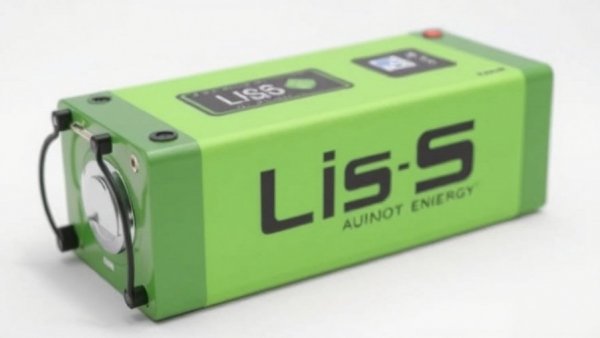
Update Li-S Energy Breaks New Ground in Battery Technology In a significant move for the advancement of battery technology, Li-S Energy (ASX: LIS) has announced its first commercial sale of lithium-sulfur battery cells to the United States Special Operations Command (USSOCOM). This pivotal purchase, facilitated through SOFWERX, marks a critical transition from research and development to real-world application, highlighting Li-S Energy’s innovative approach to energy storage. What Makes Lithium-Sulfur Batteries Different? Li-S Energy specializes in the production of lithium-sulfur battery cells that offer nearly double the energy density of traditional lithium-ion batteries. This advancement is particularly crucial for defense applications, where weight and endurance are critical factors. As technology in the field evolves to place greater demands on energy sources, the need for lightweight, efficient power solutions grows increasingly urgent. A Growing Demand for Advanced Energy Solutions The defense sector is currently witnessing a substantial investment in autonomous systems, with the U.S. Department of Defense projected to allocate over US$74 billion for drone and advanced technology capabilities in its fiscal year 2027 budget request. The trend signals a fundamental shift towards uncrewed systems, necessitating innovations in battery technology that can support these developments. The Impact of SOFWERX and Future Applications SOFWERX plays a crucial role in connecting emerging technologies with U.S. military operations, suggesting a promising future for Li-S Energy's battery cells. Brian Andrews, Chief Technology Officer of SOFWERX, emphasized the importance of energy solutions that extend the capabilities of operating platforms, whether in air, land, or sea. This evaluation of the 10Ah Power Cells may lead to significant applications in drones, robotics, and other autonomous platforms. Strategic Advantages in Supply Chain What sets Li-S Energy apart is its Australian manufacturing capabilities, which notably avoid reliance on critical minerals like graphite, nickel, or cobalt. This approach not only mitigates supply chain risks but also positions the company as a strategic ally in the global defense market. As countries seek to diversify their sources of advanced materials, Li-S Energy’s offerings might hold significant appeal. Conclusion: A Bright Future Ahead The sale of Li-S Energy's lithium-sulfur battery cells to USSOCOM represents more than just a commercial transaction; it symbolizes a giant leap towards integrating advanced energy solutions in defense operations. This development could pave the way for enhanced operational capacities and strategic advantages in military applications. For tech enthusiasts and industry professionals alike, the growth of technologies such as these signals a vibrant future filled with innovation.

11.17.2026

How Turkey’s Ejderha System is Setting New Standards in Drone Defense

Update Electromagnetic Warfare: An Evolution in Drone Defense In a groundbreaking demonstration, Turkey's Aselsan has set a new benchmark in drone defense technology. The Ejderha (Dragon) high-power electromagnetic (HPEM) UAV defense system successfully neutralized 51 drones simultaneously, showcasing its ability to combat complex aerial threats. This test not only celebrates Aselsan's 51st anniversary but also positions them at the forefront of electromagnetic warfare, dubbing Ejderha as the world's first system capable of achieving such a feat with a single command. Understanding Ejderha’s Technology Ejderha operates on advanced vacuum electronics technology, generating electromagnetic waves strong enough to disrupt the electronic systems of various drones. This capability allows the system to engage not just traditional UAVs, but also mini and micro-class drones – a crucial advantage given the increasing prevalence of drone swarms in modern conflicts. Conventional defensive systems often fall short against tethered drones; however, Ejderha's comprehensive approach enables it to tackle these security challenges effectively. Challenges and Opportunities in Drone Warfare The rise in drone usage for surveillance and potential attacks has created a pressing need for innovative defensive measures. Aselsan’s CEO, Ahmet Akyol, emphasized how Ejderha directly addresses this necessity. "With its high-power electromagnetic waves, Ejderha has become one of the most effective systems for destroying drones, one of the greatest threats of our time," he stated. The ability to neutralize multiple airborne threats simultaneously also resonates well across military and civil applications, thus presenting significant growth potential in the defense sector. Real-World Implications of Innovative Defense Systems As drone technology evolves, so too must our defense strategies. Ejderha's successful deployment can redefine operational capabilities not only for Turkey but also for allies and partners facing similar aerial threats. By augmenting national security frameworks, Ejderha’s electromagnetic prowess could lead to a significant shift in how nations perceive and engaged with aerial threats, potentially altering the landscape of modern warfare. The Future of Counter-Drone Technologies Looking ahead, the Ejderha system may prompt other nations to invest in similar technologies. The pursuit of layered defense solutions is becoming critical as drone threats evolve. While Aselsan has achieved a remarkable milestone, ongoing development and refinement of systems like Ejderha will be essential to maintaining an edge in counter-drone capabilities and enhancing overall military readiness. Conclusion: A Call for Vigilance and Innovation As technological advancements continue to outpace traditional military strategies, staying informed about innovations like Ejderha and their implications can empower readers to engage critically with the evolving defense landscape. Understanding these developments can foster a more secure future against emerging threats. Keep an eye on new advancements in this field, as they could reshape not only military strategy but also civilian applications and drone regulations moving forward.

11.17.2026

Pentagon's Directed Energy Shoot-Off: A Major Step in Drone Defense Technologies

Update Unveiling the Pentagon’s Next Steps in Drone Defense The Pentagon is stepping up its game in drone defense technology with the invitation of seven industry teams to participate in Phase II of the Directed Energy Counter-Unmanned Aerial Systems (C-UAS) evaluation. This phase will culminate in a live-fire technology evaluation set to occur at the Dugway Proving Ground in mid-December, showcasing how laser systems can effectively neutralize unmanned aerial threats. Understanding the Participants and Their Technologies The chosen partners have presented innovative high-energy laser platforms to the table, each promising advanced capabilities for target engagement. The selected teams include: Allen Control Systems: BULLFROG HEL Aurelius Systems: ARCHIMEDES AeroVironment (BlueHalo): LOCUST X1 Kord Technologies: FIREFLY Lockheed Martin (IPG): Crossbow system Thor Dynamics: LASER ARMOR HEL system Yrikka: TALOS drone-based HEL system These systems are designed not just to track but to neutralize threats effectively—offering a promising future for laser-based aerial defense technology. The Road Ahead: Preparing for Live-Fire Evaluations As preparations for the live-fire exercises ramp up in November, teams are undertaking rigorous laser safety certifications alongside the integration of command-and-control (C2) systems. This preparatory phase ensures each system is ready for the demands of the live-fire evaluations, where they will face real-world drone threats. “We’re trying to structure the shoot-off in such a way that systems that perform effectively can immediately lead to purchase orders,” stated Brig. Gen. Matthew Ross, emphasizing the urgency to transition successful technologies to production and deployment. The Importance of Directed Energy Technology The Department of Defense categorizes scaled directed energy as one of its six critical technology areas, highlighting its significance. These innovations promise not only to reduce operational costs through a low-cost per shot defense capability but also accelerate the fielding of systems responsive across multiple combat domains. The potential for directed energy systems to reshape military engagements is substantial, offering solutions to counter the asymmetric threats posed by drones. As these technologies continue to evolve, the implications extend beyond military applications; successes in this field may enhance public safety measures against unauthorized drone incursions into sensitive areas. Final Thoughts: The Future of Drone Defense With the live-fire evaluation approaching, all eyes will be on the participating teams and their technologies. The execution of effective countermeasures against drone threats during these tests will not only demonstrate the capabilities of directed energy systems but will also help inform future military strategies and defenses. As industry and defense sectors converge on innovation, the successful deployment of these C-UAS technologies could mark a new chapter in national security maneuvers, offering a robust defense against evolving aerial threats on the horizon.

Drone Central Station

Drone Central Station is your HQ for all things drone. Keep up-to-date with advances in drone tech, drone usage, and new products. Get tips, product reviews, and more.

  • Drone Central Station

COMPANY

  • Privacy Policy
  • Terms of Use
  • Advertise
  • Contact Us
  • Menu 5
  • Menu 6

(510) 393-8174

AVAILABLE FROM 8AM - 5PM

City, State

, Oakland, CA

ABOUT US

Drone Central Station is your HQ for all things drone. Keep up-to-date with advances in drone tech, drone usage, and new products. Get tips, product reviews, and more.

© 2026 CompanyName All Rights Reserved. Address . Contact Us . Terms of Service . Privacy Policy

Terms of Service

Privacy Policy

Core Modal Title

Sorry, no results found

You Might Find These Articles Interesting

T
Please Check Your Email
We Will Be Following Up Shortly
*
*
*