

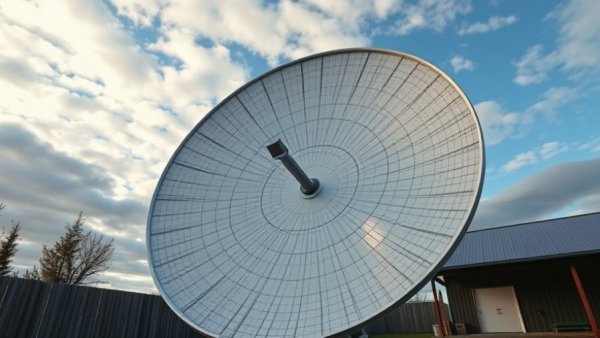
Electromagnetic Warfare: An Evolution in Drone Defense
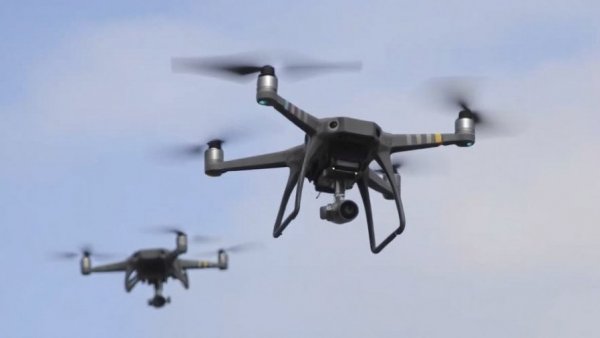
In a groundbreaking demonstration, Turkey's Aselsan has set a new benchmark in drone defense technology. The Ejderha (Dragon) high-power electromagnetic (HPEM) UAV defense system successfully neutralized 51 drones simultaneously, showcasing its ability to combat complex aerial threats. This test not only celebrates Aselsan's 51st anniversary but also positions them at the forefront of electromagnetic warfare, dubbing Ejderha as the world's first system capable of achieving such a feat with a single command.
Understanding Ejderha’s Technology
Ejderha operates on advanced vacuum electronics technology, generating electromagnetic waves strong enough to disrupt the electronic systems of various drones. This capability allows the system to engage not just traditional UAVs, but also mini and micro-class drones – a crucial advantage given the increasing prevalence of drone swarms in modern conflicts. Conventional defensive systems often fall short against tethered drones; however, Ejderha's comprehensive approach enables it to tackle these security challenges effectively.
Challenges and Opportunities in Drone Warfare
The rise in drone usage for surveillance and potential attacks has created a pressing need for innovative defensive measures. Aselsan’s CEO, Ahmet Akyol, emphasized how Ejderha directly addresses this necessity. "With its high-power electromagnetic waves, Ejderha has become one of the most effective systems for destroying drones, one of the greatest threats of our time," he stated. The ability to neutralize multiple airborne threats simultaneously also resonates well across military and civil applications, thus presenting significant growth potential in the defense sector.
Real-World Implications of Innovative Defense Systems
As drone technology evolves, so too must our defense strategies. Ejderha's successful deployment can redefine operational capabilities not only for Turkey but also for allies and partners facing similar aerial threats. By augmenting national security frameworks, Ejderha’s electromagnetic prowess could lead to a significant shift in how nations perceive and engaged with aerial threats, potentially altering the landscape of modern warfare.
The Future of Counter-Drone Technologies
Looking ahead, the Ejderha system may prompt other nations to invest in similar technologies. The pursuit of layered defense solutions is becoming critical as drone threats evolve. While Aselsan has achieved a remarkable milestone, ongoing development and refinement of systems like Ejderha will be essential to maintaining an edge in counter-drone capabilities and enhancing overall military readiness.
Conclusion: A Call for Vigilance and Innovation
As technological advancements continue to outpace traditional military strategies, staying informed about innovations like Ejderha and their implications can empower readers to engage critically with the evolving defense landscape. Understanding these developments can foster a more secure future against emerging threats. Keep an eye on new advancements in this field, as they could reshape not only military strategy but also civilian applications and drone regulations moving forward.




Write A Comment