cropper
Drone Central Station
  • Home
  • Categories
    • Drone Tech
    • Drone Applications
    • Drone Racing
    • Accessories
    • Real Estate
    • Military
    • Disaster
    • Drone Footage
    • Product Reviews
    • Business Profiles
August 12.2025
2 Minutes Read

How the U.S. Military's Drone Marketplace Initiative Changes Everything

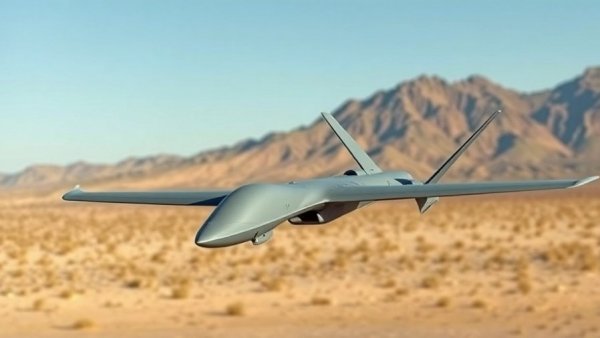
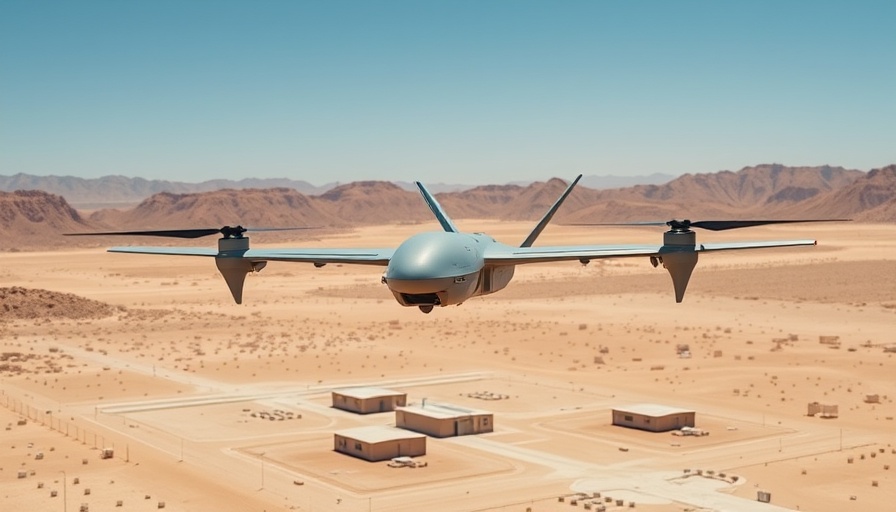
Drones over desert base, U.S. military drone deployment.

The Army’s Digital Marketplace: A New Era for Drone Procurement

The U.S. Army is set to revolutionize its unmanned aerial system (UAS) procurement process by launching a digital marketplace designed to swiftly match unmanned aerial vehicles with military needs. This initiative marks a clear departure from traditional procurement, enabling soldiers to access an Amazon-style storefront showcasing UAS options tiered by their verified specifications. The phased approach—bronze, silver, and gold—will help streamline the decision-making process while ensuring compliance with National Defense Authorization Act (NDAA) guidelines.

Addressing the Need for Speed and Efficiency

In an environment where battlefield superiority relies on agility, the Army’s marketplace seeks to reduce procurement times significantly. By aligning with the Defense Department’s newly launched directive, "Unleashing U.S. Military Drone Dominance," the initiative aims to equip every squad with cost-effective and disposable drones by the end of 2026. This commitment underscores a growing urgency within the military to adapt and innovate in response to modern warfare demands.

Boosting the U.S. Drone Ecosystem Through Executive Action

The Army's new initiative aligns closely with recent executive orders intended to bolster domestic drone manufacturing. These sweeping policies aim to enhance procurement processes for U.S.-made UAVs, mitigate export barriers, and expand the Department of Defense's Blue UAS list, thus accelerating market access for compliant platforms. These changes also advocate for increased use of established testing infrastructures like FAA UAS ranges to hasten product development. Together, they represent a significant step toward revitalizing the U.S. drone production landscape, an area that has struggled to keep pace with global competitors.

Overcoming Challenges in American Drone Manufacturing

While these policies promise a revitalized drone industry, U.S. manufacturers face significant challenges. In previous years, economic stagnation led to insufficient demand, hampering capital investments essential for building efficient manufacturing capabilities. The road to rebuilding this infrastructure will involve addressing high labor costs and gaps in tooling. Moreover, the legacy of outsourcing production looms large, complicating the effort to establish a robust domestic supply chain.

The Future of Drone Technology Access for Warfighters

The Army's UAS marketplace aims to enhance battlefield responsiveness and encourage innovation through feedback from real-world use cases. However, its success will largely depend on how effectively the U.S. drone industry can scale operations while remaining competitive. As the government signals a strong demand for domestic drone solutions, translating this interest into tangible orders will be crucial for manufacturers hoping to modernize production capacities.

Conclusion: Aligning Ambition with Capability

Ultimately, the U.S. military’s push to overhaul its drone access and production mechanisms signals a promising shift. However, achieving sustained capability will necessitate an ongoing alignment of procurement, policy directives, and industrial capacity. For tech enthusiasts, industry professionals, and hobbyists alike, watching these developments unfold will be crucial as they reshape not only military applications but also broader drone technology trends.

Military

48 Views

0 Comments

Write A Comment

*
*
Please complete the captcha to submit your comment.
Related Posts All Posts
11.22.2026

How Ukraine’s Relay Drones Redefined Military Communication in the Kerch Attack

Update Unveiling Ukraine's Technical Ingenuity In a remarkable display of technological adaptation, Ukraine's recent missile and drone strike on the Kerch Strait Bridge exemplifies how military strategies are evolving amidst geopolitical tensions. This operation, which effectively dismantled a vital connection for Russia, reveals not just a tactical triumph but also a significant shift in reliance on commercial technologies and indigenous innovations. Disruption Through Innovation: The Relay Drone Network Unlike previous attacks that relied on Elon Musk's SpaceX Starlink satellites, Ukrainian forces utilized a sophisticated army of drones equipped with mesh radio systems. This allowed them to create an airborne communications network, facilitating operations from over 250 kilometers away. Each drone acted as a relay point, maintaining communication between operators on the ground and their deployed drones and missiles. Such ingenuity mirrors tactics previously employed by Russian forces but marks a critical point of evolution for Ukrainian warfare. Sovereignty in Communication: Avoiding Starlink The decision to bypass Starlink for military operations reflects Ukraine's strategic necessity due to recent US restrictions on the military-grade Starshield version of the satellite network. President Zelenskyy highlighted how these limitations hamper defensive capabilities against Russian drones. Confronted with these challenges, Ukraine's ability to innovate and repurpose technology emphasizes its resilience in the face of adversity. This operational independence not only showcases the determination of Ukrainian forces but also signals a pivotal moment in military technology use, where reliance on a single provider for communication is being reconsidered. Strategic Implications of the Kerch Strait Bridge Attack The destruction of this $3.5 billion bridge not only hinders Russian supply lines but also reinforces Ukraine's operational tempo. The Kerch Strait Bridge was a symbol of Russian claims over Crimea, and its damage represents a significant psychological as well as logistical blow for Russia. Experts contend that even if Russia attempts to repair the structure, ongoing Ukrainian strikes could render these efforts futile, thus prolonging disruption to critical supply routes. The Broader Impact: Ukraine's Evolution in Warfare Historically, warfare has seen cycles of innovation, with nations constantly adapting technologies to fit their strategic needs. Today's landscape, characterized by the interplay between civilian tech adaptations for military use, demonstrates how quickly the theater of war can evolve. Ukraine has been quick to absorb lessons learned from both sides of the conflict, continuing to refine its tactics and technology. Concurrently, this operation emphasizes the growing importance of networks and decentralized communication strategies, a practice that could shape future conflicts globally. As the conflict progresses, the implications of these technological strategies may influence broader military doctrine and provoke discussions on the intersection of civilian technology and military operations. This incident prompts a re-evaluation of how nation's defenses are structured and how quickly they can pivot in response to external threats. In summary, the events surrounding the Kerch Strait Bridge are indicative of a larger narrative unfolding on the international stage—the question of how nations adapt and innovate when faced with new challenges. For those engaged in the tech and defense sectors, the lessons drawn from Ukraine’s experience promise insightful revelations about resilience and the future of warfare.

11.22.2026

Understanding Ukraine's Tactical Innovation: 8 Drones and 3 Missiles Reshape Warfare

Update The Multifaceted Assault on Kerch Bridge: A Tactical Overview In an unprecedented move, Ukraine has introduced a remarkable array of domestically developed drones and cruise missiles in its latest offensive against the Kerch Bridge, significantly disrupting supply lines between Crimea and mainland Russia. This multifaceted operation involved a carefully coordinated series of attacks orchestrated by Ukraine’s Security Service (SBU) and the General Staff, illustrating the strategic depth and technological capability of Ukrainian military forces. Seven Stages of Precision: The Operation Unpacked President Volodymyr Zelensky detailed the operation, which was carried out over multiple weeks and through seven key stages, emphasizing the preemptive targeting of Russian air defense systems, radars, and electronic warfare setups prior to the final strike on the bridge itself. This tactical foresight showcases Ukraine's adaptation to modern warfare, leveraging intelligence and technology for targeted assaults. Drone Arsenal: A New Frontier in Warfare Among the impressive roster of 11 weapons systems used in the Kerch Bridge operation, eight distinct drones stand out as pivotal to the assault. The Dovbush UAVs, famously versatile, serve both reconnaissance and strike purposes, allowing for deep penetration into enemy territory. These include heavy ‘drone motherships’ designed to deploy smaller drones, effectively transforming how Ukraine conducts air operations. Another noteworthy entry is the Vendetta FPV attack drone, which capitalizes on its loitering capability to strike unsuspecting targets. Within the ranks of drones used, the long-range Da Vinci and Sichen drones exemplify Ukraine's focus on extended reach and precision, both crucial for delivering payloads deep into Russian-held territory. Each drone's design reflects a commitment to both innovation and suitable adaptations of existing technology. Technological Adaptation: Leveraging Innovation for Military Purposes The incorporation of advanced aircraft like the MICH-2000, which is based on modified civilian technology, showcases Ukraine's resourcefulness in warfare. This adaptation demonstrates how the integration of readily available technology can create powerful military assets, allowing even resource-constrained nations to engage effectively in high-stakes environments. The Broader Implications of Ukraine’s Military Strategy This operation does not only signify a bold military strike but also highlights shifting paradigms in warfare where technology plays a pivotal role. As reported by defense analysts, the effective use of drones and precision-guided munitions could indicate a trend toward more sophisticated, technology-driven military engagement. Future Forecast: What Lies Ahead for Ukraine's Military As drone technology continues to evolve, understanding this operational shift becomes crucial for military analysts and tech enthusiasts alike. The potential for Ukraine to enhance its military capabilities through tech innovations opens discussions about future warfare dynamics and strategic planning. The circumstances surrounding Ukraine's operations raise questions about the role of drones in modern conflict and the future capabilities that nations may develop. As advancements in drone tech unfold, so too must our understanding of their impacts on both the battlefield and international relations. For those captivated by technological innovations and the future of warfare, staying informed about developments in military drone technology will prove invaluable in understanding the shifting landscape of global military strategies. The implications of such advancements could redefine the balance of power in future conflicts.

11.19.2026

Exploring the Royal Navy’s Innovative 2027 Trials of Northrop Grumman’s Talon IQ Drone

Update Royal Navy’s Leap into Autonomous WarfareThe U.K. Royal Navy is preparing for a groundbreaking demonstration that encapsulates the future of naval warfare through technological innovation. In 2027, the naval forces will trial Northrop Grumman's Talon IQ, an autonomous testbed, off a Queen Elizabeth-class carrier. This initiative represents the nascent stages of the Royal Navy’s Collaborative Combat Aircraft (CCA) program, a venture designed to enhance the operational capabilities of the fleet by integrating attack drones with existing F-35 Lightning II fighter jets.Project Talon: A New Era for Naval AviationThe Talon IQ is a crucial component of Northrop Grumman’s Project Talon, which is focused on the development of mission-ready autonomous airpower. This manned test aircraft is engineered specifically to trial new autonomy systems, with the goal of speeding up technological advancements that can be translated into real-world combat situations. This not only showcases the Royal Navy's commitment to modern warfare but also highlights the growing role of AI and automation in the military sector.What the Demonstration Means for Naval OperationsAs stated by First Sea Lord Gen. Sir Gwyn Jenkins, this trial will mark a significant step forward in understanding how unmanned combat vehicles can operate harmoniously alongside crewed aircraft. The upcoming demonstration aims not just to launch Talon IQ from the carrier, but to provide crucial insights into the safety and efficiency of mixed air operations—an essential component as navies around the world look to incorporate more drones into their fleets.Enhancing Capabilities Through CollaborationThe collaboration between the Royal Navy and Northrop Grumman is poised to redefine air combat strategies. By the time of the 2027 trials, the crewed and uncrewed systems will work synergistically to expand capabilities during missions. With the Talon IQ designed to operate without traditional launch catapults or arrestor wires, this opens up new operational paradigms that highlight increased flexibility during carrier-based operations.Broader Implications of Drone Integration in Military StrategyThe integration of drones into the Royal Navy's operational framework isn't merely an upgrade; it reflects a broader shift in military strategy that emphasizes speed, adaptability, and efficiency. The Royal Navy's Atlantic Net, a new surveillance framework utilizing sensors and AI, further underscores the move towards sophisticated technology-enhanced operations. As Jenkins noted, this strategy will bolster coastal defenses and heighten responsiveness to emerging threats, utilizing unmanned vessels to safeguard maritime borders.The Future of Naval Warfare: Insights and PredictionsLooking ahead, it's clear that the lessons learned from these trials will have far-reaching implications, not only for the Royal Navy but for military operations worldwide. As outlined, the potential to utilize unmanned systems effectively could lead to a dramatic evolution in naval tactics and strategic planning. This trial serves as proof that we are on the brink of a new era where technology and military operations coexist to create a more robust defense framework.Stay In The Loop: The Importance of Following Technological Advances in DefenseThe ongoing developments in the realm of UAV technology and its integration into naval fleets highlights the need for continued dialogue on military innovation. For those interested in the intersections of technology and defense, staying informed about these advancements fosters a nuanced understanding of how robotic systems are reshaping the battlefield.

Drone Central Station

Drone Central Station is your HQ for all things drone. Keep up-to-date with advances in drone tech, drone usage, and new products. Get tips, product reviews, and more.

  • Drone Central Station

COMPANY

  • Privacy Policy
  • Terms of Use
  • Advertise
  • Contact Us
  • Menu 5
  • Menu 6

(510) 393-8174

AVAILABLE FROM 8AM - 5PM

City, State

, Oakland, CA

ABOUT US

Drone Central Station is your HQ for all things drone. Keep up-to-date with advances in drone tech, drone usage, and new products. Get tips, product reviews, and more.

© 2026 CompanyName All Rights Reserved. Address . Contact Us . Terms of Service . Privacy Policy

Terms of Service

Privacy Policy

Core Modal Title

Sorry, no results found

You Might Find These Articles Interesting

T
Please Check Your Email
We Will Be Following Up Shortly
*
*
*