


Unveiling Ukraine's Technical Ingenuity
In a remarkable display of technological adaptation, Ukraine's recent missile and drone strike on the Kerch Strait Bridge exemplifies how military strategies are evolving amidst geopolitical tensions. This operation, which effectively dismantled a vital connection for Russia, reveals not just a tactical triumph but also a significant shift in reliance on commercial technologies and indigenous innovations.
Disruption Through Innovation: The Relay Drone Network
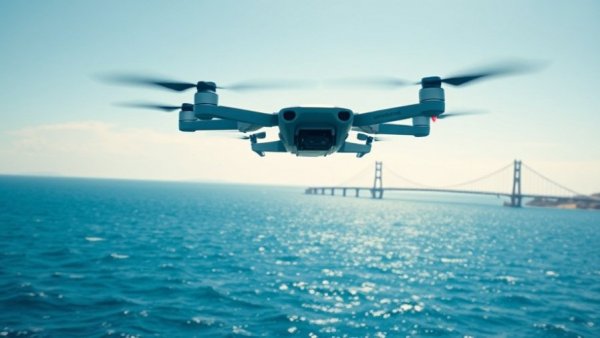
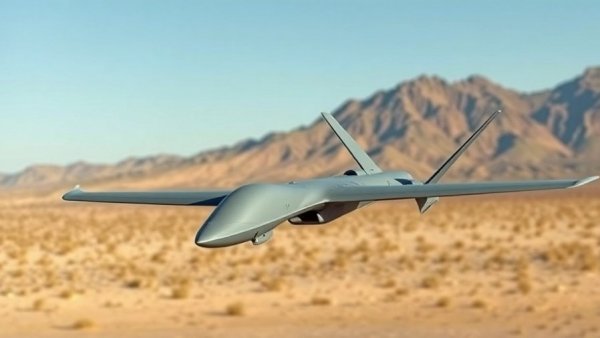
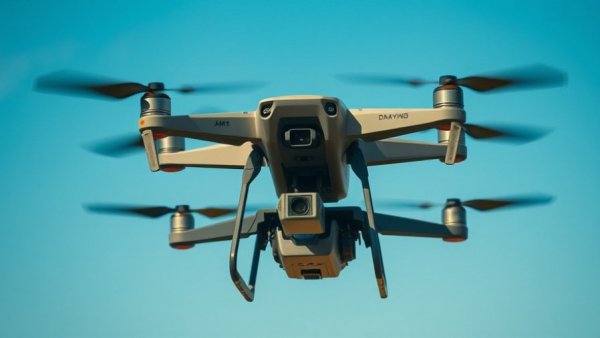
Unlike previous attacks that relied on Elon Musk's SpaceX Starlink satellites, Ukrainian forces utilized a sophisticated army of drones equipped with mesh radio systems. This allowed them to create an airborne communications network, facilitating operations from over 250 kilometers away. Each drone acted as a relay point, maintaining communication between operators on the ground and their deployed drones and missiles. Such ingenuity mirrors tactics previously employed by Russian forces but marks a critical point of evolution for Ukrainian warfare.
Sovereignty in Communication: Avoiding Starlink
The decision to bypass Starlink for military operations reflects Ukraine's strategic necessity due to recent US restrictions on the military-grade Starshield version of the satellite network. President Zelenskyy highlighted how these limitations hamper defensive capabilities against Russian drones. Confronted with these challenges, Ukraine's ability to innovate and repurpose technology emphasizes its resilience in the face of adversity. This operational independence not only showcases the determination of Ukrainian forces but also signals a pivotal moment in military technology use, where reliance on a single provider for communication is being reconsidered.
Strategic Implications of the Kerch Strait Bridge Attack
The destruction of this $3.5 billion bridge not only hinders Russian supply lines but also reinforces Ukraine's operational tempo. The Kerch Strait Bridge was a symbol of Russian claims over Crimea, and its damage represents a significant psychological as well as logistical blow for Russia. Experts contend that even if Russia attempts to repair the structure, ongoing Ukrainian strikes could render these efforts futile, thus prolonging disruption to critical supply routes.
The Broader Impact: Ukraine's Evolution in Warfare
Historically, warfare has seen cycles of innovation, with nations constantly adapting technologies to fit their strategic needs. Today's landscape, characterized by the interplay between civilian tech adaptations for military use, demonstrates how quickly the theater of war can evolve. Ukraine has been quick to absorb lessons learned from both sides of the conflict, continuing to refine its tactics and technology. Concurrently, this operation emphasizes the growing importance of networks and decentralized communication strategies, a practice that could shape future conflicts globally.
As the conflict progresses, the implications of these technological strategies may influence broader military doctrine and provoke discussions on the intersection of civilian technology and military operations. This incident prompts a re-evaluation of how nation's defenses are structured and how quickly they can pivot in response to external threats.
In summary, the events surrounding the Kerch Strait Bridge are indicative of a larger narrative unfolding on the international stage—the question of how nations adapt and innovate when faced with new challenges. For those engaged in the tech and defense sectors, the lessons drawn from Ukraine’s experience promise insightful revelations about resilience and the future of warfare.


Write A Comment