

Royal Navy’s Leap into Autonomous Warfare
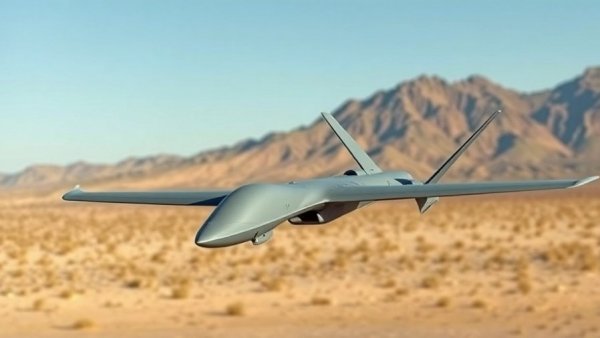
The U.K. Royal Navy is preparing for a groundbreaking demonstration that encapsulates the future of naval warfare through technological innovation. In 2027, the naval forces will trial Northrop Grumman's Talon IQ, an autonomous testbed, off a Queen Elizabeth-class carrier. This initiative represents the nascent stages of the Royal Navy’s Collaborative Combat Aircraft (CCA) program, a venture designed to enhance the operational capabilities of the fleet by integrating attack drones with existing F-35 Lightning II fighter jets.
Project Talon: A New Era for Naval Aviation
The Talon IQ is a crucial component of Northrop Grumman’s Project Talon, which is focused on the development of mission-ready autonomous airpower. This manned test aircraft is engineered specifically to trial new autonomy systems, with the goal of speeding up technological advancements that can be translated into real-world combat situations. This not only showcases the Royal Navy's commitment to modern warfare but also highlights the growing role of AI and automation in the military sector.
What the Demonstration Means for Naval Operations
As stated by First Sea Lord Gen. Sir Gwyn Jenkins, this trial will mark a significant step forward in understanding how unmanned combat vehicles can operate harmoniously alongside crewed aircraft. The upcoming demonstration aims not just to launch Talon IQ from the carrier, but to provide crucial insights into the safety and efficiency of mixed air operations—an essential component as navies around the world look to incorporate more drones into their fleets.
Enhancing Capabilities Through Collaboration
The collaboration between the Royal Navy and Northrop Grumman is poised to redefine air combat strategies. By the time of the 2027 trials, the crewed and uncrewed systems will work synergistically to expand capabilities during missions. With the Talon IQ designed to operate without traditional launch catapults or arrestor wires, this opens up new operational paradigms that highlight increased flexibility during carrier-based operations.
Broader Implications of Drone Integration in Military Strategy
The integration of drones into the Royal Navy's operational framework isn't merely an upgrade; it reflects a broader shift in military strategy that emphasizes speed, adaptability, and efficiency. The Royal Navy's Atlantic Net, a new surveillance framework utilizing sensors and AI, further underscores the move towards sophisticated technology-enhanced operations. As Jenkins noted, this strategy will bolster coastal defenses and heighten responsiveness to emerging threats, utilizing unmanned vessels to safeguard maritime borders.
The Future of Naval Warfare: Insights and Predictions
Looking ahead, it's clear that the lessons learned from these trials will have far-reaching implications, not only for the Royal Navy but for military operations worldwide. As outlined, the potential to utilize unmanned systems effectively could lead to a dramatic evolution in naval tactics and strategic planning. This trial serves as proof that we are on the brink of a new era where technology and military operations coexist to create a more robust defense framework.
Stay In The Loop: The Importance of Following Technological Advances in Defense
The ongoing developments in the realm of UAV technology and its integration into naval fleets highlights the need for continued dialogue on military innovation. For those interested in the intersections of technology and defense, staying informed about these advancements fosters a nuanced understanding of how robotic systems are reshaping the battlefield.



Write A Comment