

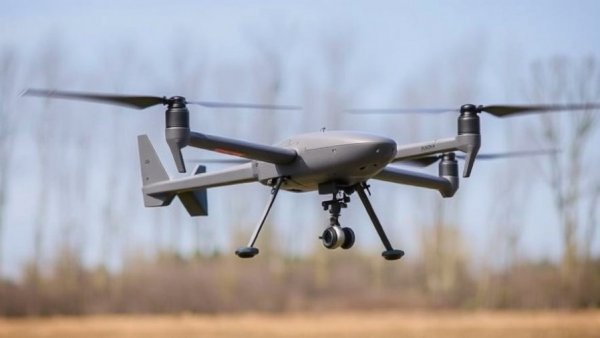
The Rise of the BABKA Reconnaissance Drone
As tensions continue to escalate in Ukraine, the introduction of new technology has become crucial in bolstering defensive capabilities. The recent announcement from German Federal Minister of Defence, Boris Pistorius, highlights a significant investment towards supporting Ukraine with advanced reconnaissance solutions. With a funding allocation of approximately €34 million, TAF Industries and Wingcopter Security & Defence are set to kick-start the mass production of the innovative BABKA reconnaissance drone in Germany.
German Support for Ukrainian Defense
In a press briefing held in Berlin alongside Ukrainian counterpart Yevhenii Khmara, Minister Pistorius emphasized the pressing need to enhance production of drones that have proven effective in Ukraine’s defense efforts. "We will ramp up production of drones that have proven particularly effective in Ukraine’s defensive battle, especially important right now, this winter,” stated Pistorius. The emphasis on winter operations indicates an urgent strategic response to ongoing conflict conditions.
Joint Venture: What is the BABKA Drone?
The BABKA drone is designed to meet the rigorous demands of the Ukrainian Armed Forces. As a low-cost reconnaissance UAV, the BABKA boasts impressive specifications, including a 30x optical zoom, a 3-hour flight time, and a tactical range of 50 km. Furthermore, its lightweight design—at just 3 kg and a wingspan of 130 cm—facilitates low-cost mass production, making it accessible for wider military deployment.
Expanding Capabilities with the Wingcopter 262
In addition to the BABKA, the partnership will also produce the Wingcopter 262, a drone noted for its longer endurance and advanced features, including an 80x optical zoom and a flight time of 6 hours. With a tactical range of 150 km and weighing less than 10 kg, the Wingcopter 262 adds depth to the operational capabilities available to Ukrainian and NATO forces.
Implications for the Future of Drone Technology
This venture represents a growth phase for drone technology within military applications, particularly in Europe. As NATO and its member states explore enhanced drone capabilities, this could pave the way for similar collaborations aimed at improving defense strategies—especially given the urgency and success of drone reconnaissance in current conflicts.
Conclusion: The Importance of Innovation in Conflict
The move towards localized drone production not only supports Ukraine in its current conflict but signals a shift towards more self-sufficient defense sectors within Europe. As technology plays a critical role in modern warfare, understanding the advancements in drone capabilities becomes paramount for industry professionals and enthusiasts alike. The strategic utilization of drones like the BABKA and Wingcopter 262 may work to redefine the dynamics of 21st-century warfare.



Write A Comment