

Understanding the Urgency Behind ATC Modernization
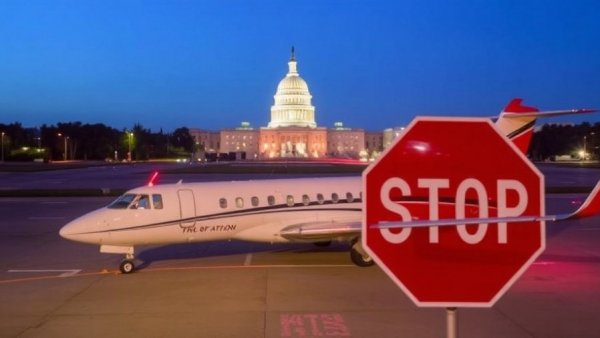
The call from the Aircraft Owners and Pilots Association (AOPA) for Congress to secure funding for air traffic control (ATC) modernization is not just a response to a technical failure; it is a crucial step to ensure the safety and efficiency of U.S. air travel. The recent nationwide ground stop, prompted by a telecommunications failure that paralyzed air operations, highlighted systemic vulnerabilities in an aging ATC infrastructure. A thorough analysis reveals the implications of these shortcomings on both general aviation and commercial airlines.
The Cost of Inaction: Funding Needed for Safety
With the FAA pointing to a staggering need for $50 billion to fully revamp the outdated ATC systems, AOPA's advocacy underlines the crucial link between modernization funding and air travel safety. As airlines and general aviation pilots felt the brunt of last week’s disruptions, it became evident that dependency on legacy systems is no longer tenable. The intense congestion experienced was attributed to a telecommunications breakdown, exacerbated by the increased network traffic—the very aspect being targeted for enhancement through modernization efforts. Therefore, the push for funding is fueled by the real concern over potential future incidents posed by outdated technology.
Communication Gaps: VFR Operations in Crisis
Additionally, the FAA's ineffective communication regarding VFR (Visual Flight Rules) operations during such emergencies revealed a critical gap. AOPA's contention that pilots were left to guess whether their operations could continue is troubling. The lack of a clear, unified NOTAM (Notice to Airmen) further amplified confusion among pilots across different regions. As David Boulter of AOPA clearly puts it, 'When the FAA stops the entire system, pilots shouldn’t have to guess whether that includes them.' Rectifying these communication failures is essential to safeguard all types of flight operations in times of crisis.
The Future of Air Traffic Control: Embracing Modernization
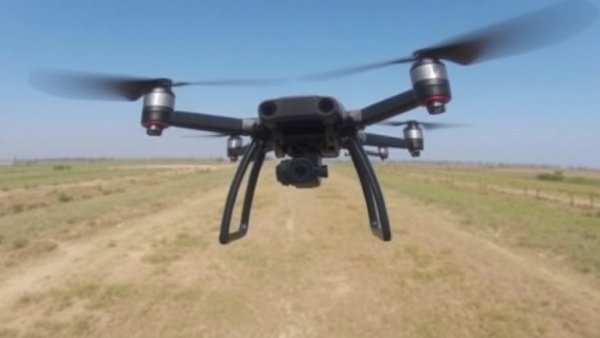
The modernization initiative is being framed not only as a necessity for now but as a foundational element for the incorporation of new aircraft technologies, including drones and advanced air mobility (AAM). The insights shared by industry leaders indicate that while the initial funding of $12.5 billion was a down payment, ongoing investments will be vital to maintain reliability and adaptability within the air traffic system, thus paving the way for future innovations in aviation.
Unity Against Privatization: A New Aviation Coalition
AOPA's position reflects a broader coalition of over 60 aviation entities. Instead of retreating to the divisive debate around privatizing air traffic control, industry leaders are uniting for modernization, a movement that has historically garnered bipartisan support within Congress. As Katie Pribyl of AOPA succinctly states, 'This unity is unprecedented.' The collective push aims to modernize the ATC system to create a more resilient infrastructure suitable for future demands.
Your Role in Aviation’s Future
Understanding the nuances of the current ATC modernization discussions is vital for aviation enthusiasts and professionals alike. As funding proposals circulate, staying informed empowers stakeholders to advocate for robust changes that enhance safety and efficiency in air travel. Engaging with policymakers and participating in discussions can ensure that priorities remain focused on modernization rather than outdated systems that put lives at risk.




Write A Comment