
The Changing Landscape of the FPV Drone Industry
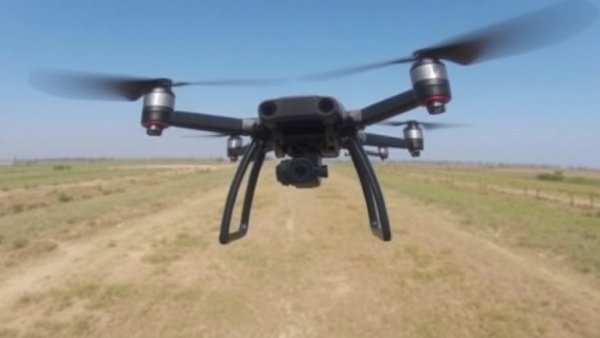
The landscape of the FPV (First-Person View) drone industry in the United States is undergoing a seismic shift as significant government contracts emerge amid heightened competition. Recently, the U.S. Army's announcement of a strict cost cap on Group 1 FPV drones illustrates a new phase in which the market dynamics are changing drastically.
What the Army’s $3,000 Limit Means for Manufacturers
In a noteworthy notice published on November 13, the Army set a maximum price of $3,000 for a new breed of FPV drones that are designed as one-way attack vehicles. This cap is not merely a budgetary concern; it signals a deeper intention from the Army to not only drive down costs but to exert significant control over the manufacturing process itself. This move challenges existing manufacturers like Red Cat Holdings, which recently suffered a significant drop in stock value following the Army's announcement.
The Implications of the Drone Dominance Program
The U.S. military is investing heavily in its Drone Dominance Program (DDP), a billion-dollar initiative aimed at securing hundreds of thousands of one-way strike drones. Initially, this program set prices around $5,000 per unit but is now seeking to reduce costs even further to approximately $2,300 as it progresses. By implementing this price ceiling, the Army is redefining the parameters within which manufacturers must operate—pushing them to innovate while dramatically tightening their profit margins.
The Race to Zero: An Industry Crisis or Opportunity?
Current dynamics in the FPV drone market can be seen as a race to zero, which means the competition has evolved not just in pricing but in structural capability. The Army's bifurcation between the existing Drone Dominance Program and the manufacturing requirements introduced in the 'sUAS Manufacturing Rodeo' signifies a commitment to controlling quality and cost from the production phase onward. The implications for smaller manufacturers and startups could be dire, prompting fears of potential industry bubble bursts.
Potential Feedback from Industry Experts
Industry observers have expressed deep concerns about the direction the military contracts are steering the market. Tom Barlow, a drone analyst, stated, "The Army's current strategies reflect an underlying skepticism towards existing suppliers. This could shift the competitive landscape drastically, favoring larger entities capable of absorbing the financial shock of such tight cost constraints." The insistent drive to lower prices may lead to compromised quality if smaller companies cannot meet these new standards.
Conclusion: Preparing for an Uncertain Future in Drone Technology
As the alterations in the FPV drone industry become evident, both industry professionals and tech enthusiasts must brace themselves for an uncertain future. With the military's influence growing in this arena, the manufacturers' adaptability and innovation will play crucial roles in determining their survival and success. Keeping abreast of these shifts can yield valuable insights into emerging trends that will shape the future of drone technology.




Write A Comment