

The Future of Drone Manufacturing: Machina Leads the Charge
Machina is stepping into the future of drone manufacturing by being chosen to participate in the Department of War’s Organic Industrial Base Modernization Challenge. This initiative aims to streamline the production of unmanned aircraft systems (UAS) with a focus on their low-cost unmanned combat attack system (LUCAS) class. The excitement surrounding their innovative approach is palpable, as it marks a significant shift away from traditional manufacturing processes.
Edge Factories: A New Era for Rapid Production
At the heart of Machina's proposal are Edge Factories—containerized robotic micro factories that bring manufacturing closer to the battlefield. These factories utilize a Modular Open Systems Approach to manufacture various drone airframes tailored to the evolving demands of modern military operations. Ed Mehr, Machina’s founder and CEO, emphasized, “Producing low-cost systems at scale requires a manufacturing model that can move as quickly as mission requirements change.” This flexibility is crucial as military conflicts increasingly require adaptable technologies that can be deployed swiftly.
Revolutionizing Production with RoboCraftsman Technology
Machina’s Edge Factories leverage cutting-edge RoboForming technology, allowing for the production of metal structures directly from digital designs. This process eliminates the need for traditional tooling, enabling them to fabricate drone components in a fraction of the time previously required. The introduction of agentic AI significantly enhances this process, allowing for rapid design alterations and simulations to determine the most effective airframe configuration. “The RoboCraftsman system can easily generate 20, 30, 40, or even 50 different designs just in software,” Mehr stated, highlighting the efficiency of the technology.
Real-World Testing and Adaptation
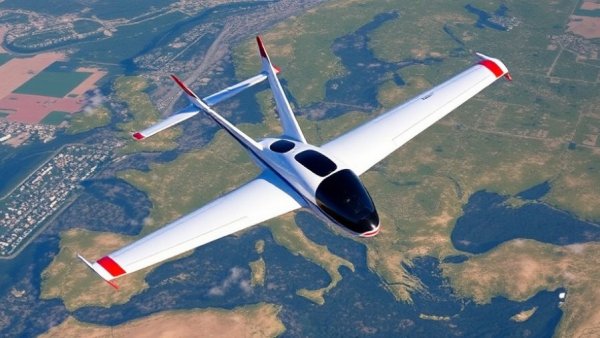
Machina is not just theorizing about its technology; it has already produced a six-foot, half-scale airframe tested at Edwards Air Force Base. The results of these tests have provided invaluable feedback, leading to design improvements, such as relocating the engine for better performance. This iterative approach reinforces the strengths of the RoboCraftsman system, allowing engineers to refine designs rapidly—those changes can occur within a mere three-month timeframe.
The Importance of Cost-Effective Solutions in Modern Warfare
As geopolitical landscapes shift, the demand for cost-effective military solutions has never been higher. Traditional aerospace manufacturing often involves lengthy supply chains that can delay deployment. By adopting modular, adaptable manufacturing solutions, Machina aims to provide the military with the tools necessary to respond dynamically to threats. The use of metal, which is cheaper and more readily available than composites, underscores their commitment to reducing costs while maintaining effectiveness.
Looking Ahead: Potential Industry Impact
Machina's innovative approach does not just serve military operations—it has implications for the drone industry at large. The move toward efficient, scalable production methods can inspire similar adaptations across commercial sectors, enhancing the capabilities of drone technology beyond the battlefield. If this model proves successful, we may see a ripple effect, influencing how drones are manufactured for applications ranging from delivery services to agricultural monitoring.
The impressive strides made by Machina underscore the importance of rapid adoption of technology in responding to contemporary challenges. As we witness the evolution of drone manufacturing through innovations like the Edge Factory, it serves as a reminder that the future is not just about the drones themselves, but also about how we produce them.
For those in the tech enthusiast and drone hobbyist communities, the advancements from Machina present not just a glimpse into modern warfare capabilities, but also a broader view of how manufacturing and design can revolutionize industries. Embracing these innovations today can unlock possibilities for tomorrow.



Write A Comment