

The Rising Threat of Drones: Understanding the New Counter-Drone Training
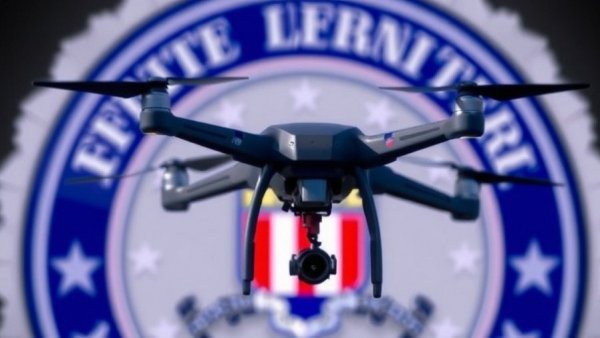
As drones rapidly evolve, the potential risks they pose to public safety are becoming increasingly evident. In response to this growing concern, the FBI is stepping up its counter-drone training for state, local, tribal, and territorial (SLTT) law enforcement agencies. With the enactment of the SAFER SKIES Act, the FBI has gained new capabilities to enhance drone mitigation efforts and is prepared to expand the training to meet the challenges posed by this advanced technology.
Enhanced Training Initiatives Facilitate Better Preparedness
During a recent media roundtable at the Drone Security and SLTT Grant Forum, FBI officials revealed plans to boost their training efforts significantly. The National Counter-UAS Training Center (NCUTC) will increase its capacity to train personnel from less than 100 participants last year to approximately 320 this year. This expansion includes planned courses designed to equip agencies with crucial skills to deal with aerial threats effectively. The FBI recognizes that while the training expands, eligible agencies must navigate a structured accreditation process to fully leverage these new tools.
How SLTT Agencies Can Navigate the Accreditation Process
The implementation of the SAFER SKIES Act marks a critical advancement in counter-drone authority, enabling qualified SLTT agencies to operate under a defined regulatory framework. The established guidelines not only provide pathways for training and certification but also delineate the equipment and operational standards required for effective drone threat response. FBI officials have emphasized the flexibility of this accreditation process, encouraging agencies to create tailored operational plans suited to their unique security challenges.
Real-World Applications: Success Stories and Community Safety
Since the new framework came into effect, SLTT agencies have undertaken around 60 counter-UAS operations with federal support. One such operation involved protecting correctional facilities from uninvited aerial adversaries. However, the FBI underscores the importance of balancing effective drone mitigation with the safety of surrounding communities. As one official aptly stated, “We don’t want the cure to be worse than the disease.” This sentiment reflects the agency’s commitment to ensuring that counter-drone measures do not inadvertently create additional public safety challenges.
The Future of Drone Security and Interagency Collaboration
As the FBI enhances its operational capabilities, it draws upon lessons learned from major security events, such as the FIFA World Cup. This emphasis on collaborative interagency efforts is crucial in preparing for larger public gatherings, including the upcoming 2028 Los Angeles Olympics, where drone threats will likely be paramount. The FBI's commitment to refining its drone security strategy demonstrates an adaptive approach to emerging threats in a world increasingly reliant on drones.
Why Staying Informed Matters for Tech Enthusiasts and Professionals
Understanding the ongoing developments in drone security and the measures enacted by agencies like the FBI is vital for industry professionals, tech enthusiasts, and the general public. As drone technology continues to advance, so too must the strategies to mitigate their risks. Staying informed about these trends not only helps individuals understand potential threats but also allows for better engagement in discussions about public safety and technology policy. Knowledge empowers communities to advocate for sensible regulations and prepare for a future where drones will play an ever-increasing role.




Write A Comment