

The Royal Navy's Bold Step into Autonomous Combat
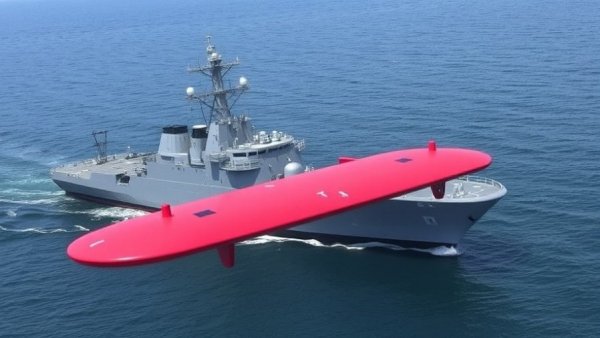
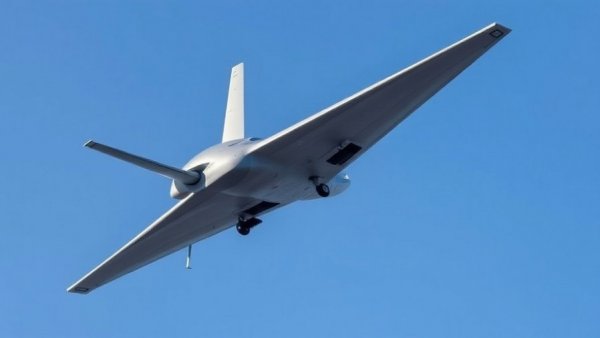
The HMS Prince of Wales is set to become a pivotal player in modern naval aviation as it gears up for the Talon Blue drone trials in 2027. Announced by First Sea Lord General Sir Gwyn Jenkins, this innovative initiative highlights a major leap forward in the operational capabilities of the Royal Navy. The Northrop Grumman YFQ-48A Talon Blue represents the latest in autonomous combat jet technology, designed to operate alongside conventional fighter jets like the F-35B.
Understanding the Talon Blue's Role
Unveiled to the public in late 2025, the Talon Blue has been developed as a collaborative combat aircraft (CCA), set to function as a 'loyal wingman.' This means it will fly semi-autonomously while equipped to carry out high-level commands from human pilots. Its integration into the Royal Navy's arsenal means it will take on multiple roles, including surveillance, electronic warfare, and strike-support missions, significantly enhancing mission capabilities.
Breaking New Ground on Queen Elizabeth-Class Carriers
One of the most notable challenges of this initiative is the unique operational environment of British aircraft carriers, which use ski-jump decks instead of catapult systems. Demonstrating the ability of the Talon Blue to successfully launch from such a deck will be critical. As military technology continues to evolve, success in these trials will provide valuable insights for other navies employing similar systems.
Key Insights from the Upcoming Sea Trials
The 2027 sea trials will not only evaluate the Talon Blue’s launch and operational performance but will also assess crucial aspects such as shipboard storage, maintenance, and handling. These trials are anticipated to reveal whether uncrewed systems can effectively support and enhance traditional manned combat operations, thereby transforming naval strategies.
Strategic Implications and the Future of Naval Warfare
By allowing uncrewed systems like the Talon Blue to operate in conjunction with manned fighters, the Royal Navy could redefine its power projection capabilities. The potential role of these drones in intelligence gathering, radar jamming, and drawing enemy fire represents a paradigm shift in naval engagements. As the global defense landscape continues to shift, the success of the Talon Blue could pave the way for similar innovations across maritime operations worldwide.
Conclusion: A New Era for Naval Aviation
As we approach the sea trials slated for 2027, all eyes will be on the HMS Prince of Wales and the Talon Blue. If successful, this innovative leap stands to not only enhance the capabilities of the Royal Navy but also inspire future developments within naval aviation globally. Engaging with these advancements allows industry professionals and tech enthusiasts alike to appreciate the changing dynamics of military strategy and technology deployment.



Write A Comment