

The Evolution of Stealth Technology
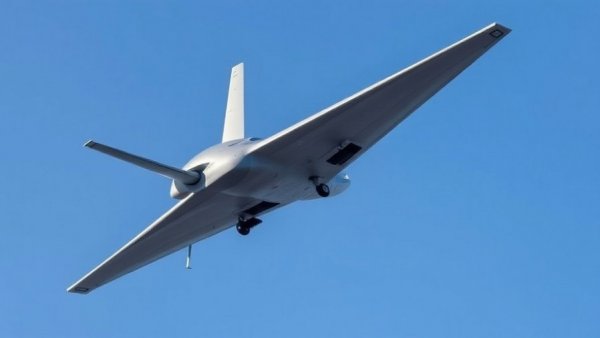
Stealth technology has transformed the landscape of modern warfare, particularly in the field of unmanned aerial vehicles (UAVs). The unveiling of China's GJ-11 "Mystery Dragon" illustrates this evolution, emphasizing a paradigm shift towards drones that integrate advanced functionalities such as low observability and precision targeting. As countries continuously enhance their military capabilities, understanding these developments is vital.
China's Strategic Advances
The GJ-11's recent revelation coincides with China's broader military ambitions to assert its presence in the Asia-Pacific region. With claims of a successful first live-fire strike mission, the People's Liberation Army Air Force (PLAAF) showcases the capabilities of this advanced UCAV. This not only illustrates readiness but also signals a transformation in how aerial operations could be conducted in future conflicts—more reliant on unmanned systems to carry out critical missions.
Understanding the Technical Specifications
One of the most compelling aspects of the GJ-11 is its design. The integrated weapons bays and low-observable profile enhance its operational efficiency while minimizing exposure to enemy radar. The internal munitions system allows the aircraft to carry significant payloads, with speculation surrounding its ability to accommodate up to 2000-pound weapons—a substantial capability comparable to existing fighter platforms.
The Role of Female Operators in Modern Warfare
Noteworthy is the inclusion of self-trained female drone operators in the GJ-11's first live-fire operation. This progressive step for military inclusivity highlights a broader cultural change within armed forces worldwide, where diversity in technology-related roles is becoming increasingly valuable. As militaries address gender inclusion, these steps help illustrate the shifting dynamics of modern military engagements.
Eyes on the Future: What Lies Ahead?
As the GJ-11 continues its development and operational rollout, we can expect further advancements. The possibilities for integrating such drones into coalition forces and joint missions could redefine air combat strategies. The multifunctional capabilities of the GJ-11 not only underscore China's ambition but also prompt other nations to reassess their drone strategies and military tactics in the face of evolving technologies.
The GJ-11's emergence represents a pivotal moment in UAV development, blending advanced stealth and operational flexibility to redefine aerial combat as we know it. For technology enthusiasts and military professionals alike, it offers a glimpse into the future of warfare and the ongoing integration of drones into strategic military planning.




Write A Comment