

cropper
Drone Central Station
  • Home
  • Categories
    • Drone Tech
    • Drone Applications
    • Drone Racing
    • Accessories
    • Real Estate
    • Military
    • Disaster
    • Drone Footage
    • Product Reviews
    • Business Profiles
November 09.2026
3 Minutes Read

Zipline Raises $1.5 Billion for Nationwide Drone Delivery Breakthrough

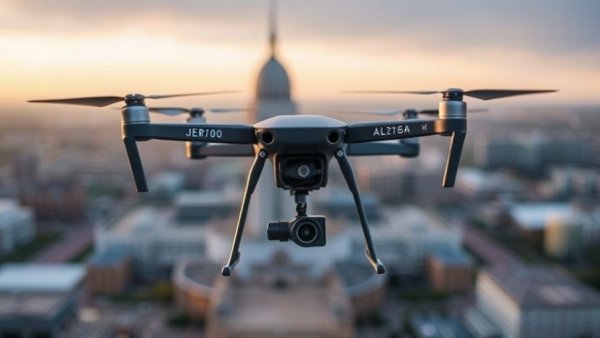
Family receiving drone delivery at suburban house.

Zipline's Ambitious Drone Delivery Expansion

In an impressive stride towards revolutionizing logistics, Zipline has secured a whopping $1.5 billion funding round, elevating its post-money valuation to $21.5 billion. This financial boost aims to enhance Zipline's manufacturing facilities across the United States and accelerate hiring efforts as the company sets its sights on developing a nationwide drone delivery network. As consumer demand surges, traditional ground delivery methods face significant challenges, including traffic congestion and high operational costs. The solution? Taking delivery to the skies.

Partnering with Industry Giants

Among the key players investing in Zipline are well-known entities such as Walmart, Uber, and Fidelity, all optimistic about the transformative potential of drone logistics. In collaboration with Walmart, Zipline plans to deploy 300 additional delivery sites through a multi-year agreement—a significant leap that underscores the increasing reliance on aerial delivery systems. This partnership aligns with Uber's ambitious goal to achieve one million deliveries daily by 2029, showcasing the growing enthusiasm for drone technology among industry leaders.

Thriving amidst Rising Demand

The appeal of drone delivery is becoming evident as businesses report remarkable growth in their revenues thanks to Zipline's services. In fact, many of Zipline’s longest-tenured restaurant partners observed their delivery revenue share skyrocketing from 10.8% to 34.9% between March and October. Notably, 80% of the general merchandise value increase stemmed from Zipline, indicating that drone orders serve as a complementary service rather than a replacement for traditional delivery platforms. Moreover, with over one million deliveries completed in the Dallas-Ft. Worth area alone this year, Zipline is becoming a routine convenience for consumers.

The Future of Delivery: Speed and Efficiency

The efficiency and convenience of Zipline's service are noteworthy. Recent data shows that the median delivery time for Zipline orders is just 19 minutes post-checkout—double quicker than traditional services. Innovative companies like Wonder are leveraging this speed by creating specialized kitchen setups tailored for Zipline operations, thus maximizing the logistical advantages offered by drone technology.

Technical Innovations Driving Growth

Zipline isn't just enhancing its delivery speed; it's also investing in technology to refine the delivery experience. The rollout of sound-optimized dynamic flying technology marks a significant advancement, making drone operations quieter and more energy-efficient. Furthermore, the introduction of a next-generation aircraft capable of carrying heavier deliveries over greater distances demonstrates Zipline's commitment to continuous innovation. This proactive approach is fundamental to establishing drone delivery as an everyday reality, providing communities with efficient logistics solutions.

What This Means for Consumers and Businesses

As Zipline expands its capabilities, the implications for both consumers and businesses are profound. With only 5% of U.S. restaurant orders currently delivered, significant growth is imminent as the drone delivery model gains traction. Businesses will be able to reach more customers without the typical constraints of traditional delivery systems, thereby unlocking new revenue streams while offering enhanced speed and service quality. Moreover, as Zipline partners grow and new businesses join its network, the opportunity for scalability and operational efficiency grows, fabricating a more interconnected marketplace.

With a proven track record and an aggressive growth strategy facilitated by significant investments, Zipline is poised to redefine how we think about delivery services. This isn’t just a trend; it’s a monumental shift in logistics.

Drone Tech

2 Views

0 Comments

Write A Comment

*
*
Please complete the captcha to submit your comment.
Related Posts All Posts
11.09.2026

FEMA's Call to Action for Stronger Counter-Drone Readiness Among Local Agencies

Update Understanding the Need for Counter-Drone CapabilitiesIn a rapidly evolving technological landscape, drones have moved from novelty to necessity, serving industries ranging from agriculture to entertainment. However, with their increasing prevalence comes an undeniable set of security challenges. At the recent Drone Security and SLTT Grant Forum, FEMA Administrator Cameron Hamilton underscored the urgent need for state and local agencies to bolster their counter-drone capabilities. This call to action highlights the balancing act that authorities must perform to harness drone technology while combating emerging threats.Federal Support: Financial Backbone for Local PreparednessAt the forum, it was revealed that the administration is committing a substantial $500 million in federal funds towards counter-UAS technology. This investment isn’t merely a budget line item; it reflects a broader recognition of the increasing risks posed by unauthorized drones. Hamilton noted that prior investment, including $250 million allocated for counter-UAS efforts during the recent FIFA World Cup, serves as both a precedent and a model for future funding initiatives. These funds aim to fill security gaps, especially for SLTT agencies struggling with limited resources.Three Strategic Actions to Enhance ReadinessTo transform federal funding into actionable capabilities, Hamilton outlined three critical actions for state and local agencies:First, conduct thorough assessments of current counter-UAS readiness to pinpoint vulnerabilities.Second, leverage available federal grants efficiently, avoiding delays that could hinder progress.Third, improve inter-agency communication and collaboration. Sharing intelligence on emerging threats is crucial in today's multifaceted security landscape.The emphasis on these actions illustrates a proactive approach necessary for modern public safety agencies. The challenges they face are not just technological; they also encompass administrative capacity and collaborative effort.The Evolving Threat Landscape: Adapting to New RealitiesAs drone technology becomes more sophisticated, so too do the threats associated with it. Hamilton's remarks pointed out a stark reality: adversaries are continually observing advancements to exploit security vulnerabilities. By maintaining a cutting-edge awareness of these technologies, public safety agencies can adapt their strategies accordingly.This is not just about having the right tools; it is about understanding the landscape within which these threats operate. Ensuring that federal investment translates to real-world operational readiness is a critical dance with legal and practical capabilities. Agencies must navigate existing laws governing drone technologies while developing their detection, training, and response strategies.The Path Forward: Building Resilience Through PreparednessStrategically, the focus on preparedness is not merely about mitigating risks; it’s about fostering a resilient response system to evolving threats. The implications of Hamilton's remarks resonate within the design of a robust national security framework. Local agencies must take initiative to capitalize on federal resources, making resilience a shared responsibility across all levels of government.The critical takeaway is that while federal funding is a major boost, the real power lies in how state and local bodies transform those resources into meaningful defense against potential drone-related threats. The hands-on approach and local vigilance will determine the efficacy of this federal support.

11.09.2026

Streamlined Counter-Drone Protocols: New Federal Framework Unveiled

Update Understanding the New Counter-Drone Agreement The recent interagency agreement among five federal departments marks a pivotal step towards streamlining counter-drone technology evaluation and utilization, which is critical in safeguarding our airspace while allowing for swifter innovation. The arrangement involves the Departments of Transportation, Defense, Homeland Security, Energy, and Justice, coordinated through the White House Task Force to Restore American Airspace Sovereignty. This collaboration aims to facilitate a faster approval process for counter-unmanned aircraft systems (C-UAS), emphasizing both safety and efficiency. A Unified Approach to Safety One of the key features of this memorandum of understanding is the establishment of a uniform safety review process. Federal agencies will now collaborate more closely with the FAA and the FCC to ensure that counter-drone systems undergo rigorous evaluation before being deployed. Federal Aviation Administration (FAA) Administrator Bryan Bedford emphasized the importance of maintaining safety standards while integrating new technologies. “The safety of our National Airspace System is our top priority,” he stated, underscoring how this new agreement aims to prevent risks that previously disrupted air traffic. Implications for Faster Reviews Traditionally, reviews for counter-drone technologies could be lengthy and complex. Now, under the new agreement, certain systems that have been previously evaluated may receive approval in as little as 24 hours. This expedited process aims to enhance the efficiency of deploying counter-drone measures, particularly vital in high-traffic situations such as airports or crowded events. With over 1,000 coordination requests successfully processed by the FAA, it highlights a growing trend towards quicker and more effective solutions to aerial threats. Addressing Past Challenges However, this agreement comes in response to previous incidents where inadequate coordination led to safety hazards. Notably, the FAA had to halt flights at El Paso International Airport due to an unapproved use of a laser system against a drone. Such incidents have raised concerns about the implications of deploying counter-drone technology without a completed safety review, thus reinforcing the need for enhanced protocols. The Future of Counter-Drone Technology As agencies gear up to enhance their counter-drone capabilities, it is clear that this framework will also influence state and local jurisdictions. The FY2027 Counter-UAS Grant Program, which allocates $250 million for eligible jurisdictions to bolster public safety through drone technology, signals a significant shift in how counter-drone measures are funded and implemented. This agreement not only provides a comprehensive framework for federal deployments but also sets a standard likely to impact local and state drone policy. Interested stakeholders, from industry professionals to tech enthusiasts, should stay informed as new technologies evolve and regulations adapt to meet emerging challenges. Get Involved and Stay Informed The rapid advancement of drone technology and its implications for public safety are critical areas of discussion. The recent agreement showcases a constructive move towards integrating cutting-edge technology with safety protocols. If you’re interested in the evolving landscape of drone regulations, consider subscribing to industry updates and participating in local discussions to share your insights.

11.08.2026

Unlocking Potential: Insights from the LIVE Q&A on Drone Technology

Update Understanding the Rise of Drone Technology Drones have transformed from being a novelty to a crucial tool in various sectors. Their capabilities now extend beyond aerial photography and recreational flying to applications in agriculture, search and rescue, infrastructure inspections, and even military operations. A recent live Q&A session, titled Ask Your Drone Questions — LIVE Q&A, delved into these rapidly evolving technologies, highlighting their growing significance.In 'Ask Your Drone Questions — LIVE Q&A', the discussion dives into the evolving world of drone technology, exploring key insights that sparked deeper analysis on our end. Benefits of Engaging with Drone Technology For tech enthusiasts and drone hobbyists, the benefits of actively engaging with drone technology are immense. These devices not only facilitate creativity and innovation but also allow users to learn about advanced automation, robotics, and aerodynamics. By participating in discussions and Q&A sessions, users can gain insights not only from experts but from fellow enthusiasts, fostering a community of shared knowledge. The Future of Drones in Various Industries Future predictions surrounding drones indicate a surge in automation across industries. In agriculture, for example, drones are set to revolutionize crop monitoring and pest control, providing farmers with data that can boost yield while minimizing environmental impact. Similarly, in disaster response, drones can deliver critical supplies to affected areas quickly and efficiently. As businesses increasingly adopt these technologies, the job market is likely to evolve, demanding new skills in drone operation and maintenance. Addressing Misconceptions About Drones While drones are often associated with privacy concerns and regulatory hurdles, it is essential to address common misconceptions. Many people fear that drones invade privacy or lead to job losses; however, when used responsibly, drones can enhance public safety and create new job opportunities in piloting and drone technology development. Practical Tips for Drone Enthusiasts For those looking to dive deeper into the world of drones, consider these practical tips: start with a basic model to understand the mechanics before investing in advanced versions, join local drone clubs or online forums to share experiences, and stay updated on regulatory requirements to ensure safe flying. The Ask Your Drone Questions — LIVE Q&A session highlighted critical discussions around drone technology, providing valuable insights that have the potential to impact how we utilize these devices now and in the future.

Drone Central Station

Drone Central Station is your HQ for all things drone. Keep up-to-date with advances in drone tech, drone usage, and new products. Get tips, product reviews, and more.

  • Drone Central Station

COMPANY

  • Privacy Policy
  • Terms of Use
  • Advertise
  • Contact Us
  • Menu 5
  • Menu 6

(510) 393-8174

AVAILABLE FROM 8AM - 5PM

City, State

, Oakland, CA

ABOUT US

Drone Central Station is your HQ for all things drone. Keep up-to-date with advances in drone tech, drone usage, and new products. Get tips, product reviews, and more.

© 2026 CompanyName All Rights Reserved. Address . Contact Us . Terms of Service . Privacy Policy

Terms of Service

Privacy Policy

Core Modal Title

Sorry, no results found

You Might Find These Articles Interesting

T
Please Check Your Email
We Will Be Following Up Shortly
*
*
*