

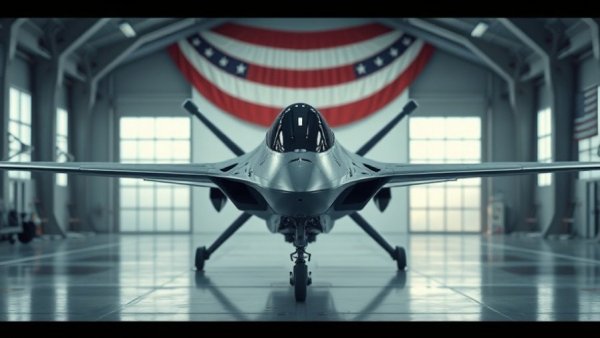
Unpacking the Innovation Behind Shield AI's X-BAT Prototype
With Shield AI's recent unveiling of the full-scale prototype for the X-BAT—a revolutionary VTOL (Vertical Take-Off and Landing) strike fighter—there's more than just excitement in the air; there's an urgent push for groundbreaking military capabilities. This aircraft, developed in just one year, is on its way to flight testing in Newton, Kansas, marking a significant milestone in defense aviation.
Why Speed Matters: Meeting Modern Operational Needs
The rapid development of the X-BAT underscores an essential lesson in modern warfare: speed is crucial. As the nature of conflict evolves, the military's need for immediate capabilities means that waiting decades for aircraft development is no longer an option. Shield AI has adapted to this reality, establishing robust collaborations with U.S. government experts for stringent testing protocols, including wind tunnel and engine evaluations. This cooperative approach has not only mitigated technical risks but has also laid the groundwork for a highly reliable combat vehicle.
The Versatile Mission Design of X-BAT
What sets the X-BAT apart from existing military aircraft is its versatility. Designed with multiple roles in mind, it can carry substantial weaponry for a variety of missions. This multifaceted capability is crucial in a unpredictable battlefield environment where one size no longer fits all. The X-BAT combines heavy payload capacity with the flexibility of modern air warfare, making it a significant evolution beyond smaller focused aircraft like the Air Force Increment 1 CCAs. Thus, it stands ready to engage in air-to-air, air-to-ground, and electronic warfare scenarios.
Asymmetric Warfare: Elevating Strategic Advantages
The strategic implications of X-BAT's design are profound. By enabling vertical takeoff and landing capabilities, the aircraft can operate from diverse locations, making it harder for adversaries to pinpoint its whereabouts. This element of surprise could dramatically alter adversarial tactics, especially against nations equipped with long-range missile systems designed to target traditional aircraft on the ground. As the X-BAT operates from ships or remote locations, it forces enemy forces to expend resources searching for it, allowing other U.S. military assets to launch successful strikes without being tracked.
What Lies Ahead: Testing and Future Developments
The completion of the first full-scale X-BAT prototype is just the beginning. The next steps involve rigorous testing to fine-tune its systems and validate performance in operational settings. As Shield AI pushes forward with development, the broader defense community will be watching closely, recognizing that innovations like X-BAT can significantly influence the future landscape of military engagement.
As technology enthusiasts and drone hobbyists, understanding these advancements is crucial. The capabilities that the X-BAT brings could shape the future of aerial combat, making it an exciting era for military technology.





Write A Comment