

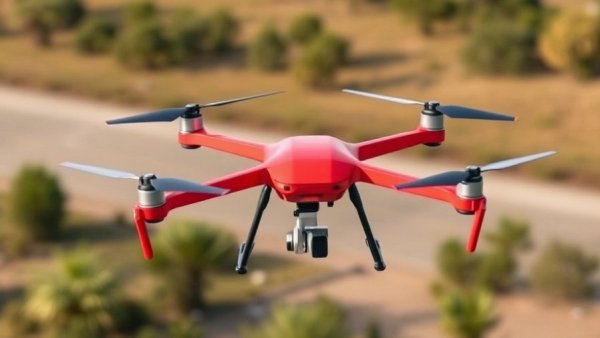
Transforming Drone Delivery: Wing's Ambitious Investment
Wing, a pioneer in the drone delivery sector, is set to invest up to $125 million in U.S. manufacturing, establishing a new facility in Fort Worth, Texas. This strategic move not only aims to enhance the company’s delivery capabilities but also signifies a robust commitment to boosting the national manufacturing landscape for drones.
Manufacturing Capacity and Job Creation
The Fort Worth facility, encompassing 15,000 square feet, is projected to produce tens of thousands of drones annually, presenting a substantial opportunity for job creation with an estimated 100 positions. This investment aligns with Wing’s broader strategy of expanding its operations across nearly 20 U.S. markets, thereby enhancing service accessibility for over 40 million Americans by 2027.
A Historic Move in U.S. Drone Manufacturing
In recent years, the U.S. has been focusing on strengthening its domestic drone manufacturing capabilities. The current investments from companies like Wing come at a pivotal time where regulatory shifts and technology advancements are enabling more widespread use of drones for commercial delivery. Federal policies are shifting toward bolstering U.S. production, reducing dependency on foreign supply chains, a move echoed by Wing’s new manufacturing strategy.
Regulatory Landscape and Future Trends
As Wing prepares to scale its drone fleet, it also keeps a keen eye on evolving FAA regulations. The proposed Part 108 rules aim to create a more defined framework for routine operations beyond visual line of sight (BVLOS), crucial for large-scale delivery networks. Such regulations will enable Wing and other companies to safely execute automated flights over extensive service regions, paving the way for extensive aerial logistics systems.
Community Response to Drone Services
The increasing presence of drones has sparked conversations within communities regarding noise, privacy, and safety. As these delivery services expand, local governments and residents may voice concerns, creating a challenge for companies like Wing. Balancing operational growth with community acceptance will be critical for the success of drone initiatives.
The Future of Drone Innovation
As Wing's CEO Adam Woodworth noted, the movement towards drone delivery has gained significant traction, driven by clear demand from partners. The investment in domestic manufacturing is not merely about producing drones; it’s about innovating within the industry. This could lead to broader impacts, including advancements in drone technology, safety protocols, and production efficiency. The landscape of air delivery is shifting dramatically, and companies are increasingly recognizing the importance of establishing a presence in the U.S. market.
As the drone market matures, understanding these developments is crucial. Keeping an eye on regulatory changes, community responses, and technological advancements will be vital for anyone involved in the industry — from hobbyists to professionals. The implications for the future of delivery are enormous, promising faster, more efficient services while also influencing industrial practices.
Stay tuned for more updates on how Wing and other companies are shaping the future of logistics through technological innovation.



Write A Comment