

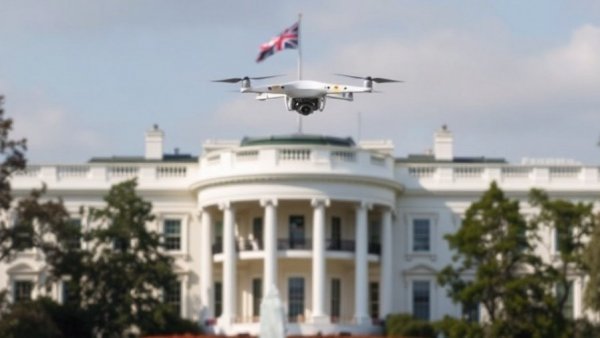
Understanding the White House's New Drone Initiative
The White House has made drone security a national priority, emphasizing the need for enhanced local capabilities and rapid technological development. This shift in focus, as articulated by Dr. Sebastian Gorka, reflects a growing recognition of drones' potential security threats and their role in national sovereignty.
The Importance of Local Law Enforcement in Drone Security
During the Drone Security and SLTT Grant Forum, Gorka underscored a critical point: federal agencies cannot tackle drone-related threats alone. Local, state, tribal, and territorial law enforcement (SLTT) must play central roles in counter-drone initiatives. He argued that local officers, often the first responders to incidents involving drones at large public gatherings like the FIFA World Cup and major celebrations, need comprehensive training and tools to address these emerging threats effectively.
Shifting Perspectives on Drone Threats
Gorka's vision extends beyond just the technology; it calls for a fundamental shift in how both the public and law enforcement perceive drones in the airspace. He emphasized that a drone presenting a direct threat to human life should be treated with the same degree of urgency as any other public safety threat. This perspective encourages proactive stances toward unidentified drones, enabling quicker, more effective response mechanisms.
Boosting Training and Development
Significantly, the administration is tripling training capacity at the National Counter-UAS Training Center, facilitating SLTT agencies' ability to engage with drone technology. Gorka highlighted that new federal authorities would equip local agencies with the necessary legal frameworks to act decisively against drone threats, addressing a gap that has existed for years. This approach aligns with the administration's broader commitment to bolster American leadership in unmanned aviation.
Future Trends in Drone Technology
The future of aerospace is undoubtedly unmanned. As drones play increasingly pivotal roles in military operations, logistics, and commercial activities, Gorka's insights suggest that government and industry collaboration will be essential in developing robust drone security frameworks. Stakeholders in the drone industry must stay informed about these policy directions since they will shape the future landscape of drone operations and regulations.
The Urgency for Collaboration
The interconnectedness of technology, security, and public safety has never been more pronounced. As drone technology continues to evolve, strategic partnerships between government entities and industry professionals will be crucial. The emphasis on local law enforcement enhances the preparedness of communities, ensuring that public safety measures evolve in step with technological advancements.
What's Next for Drone Security?
As events like the upcoming 2028 Los Angeles Olympics approach, the call for an organized and coordinated airspace security strategy becomes even more critical. Local law enforcement agencies play a vital role in this strategy, and their preparedness will dictate how effectively these challenges are managed in the coming years. The drone threats of tomorrow will require proactive stances today.





Write A Comment