
cropper
Drone Central Station
  • Home
  • Categories
    • Drone Tech
    • Drone Applications
    • Drone Racing
    • Accessories
    • Real Estate
    • Military
    • Disaster
    • Drone Footage
    • Product Reviews
    • Business Profiles
November 19.2026
2 Minutes Read

Transforming Aquaculture: How Drones Are Revolutionizing Oyster Seeding

From Farm Fields to Oyster Beds: Agricultural Drones Find a New Use

Drones: A Revolution in Aquaculture

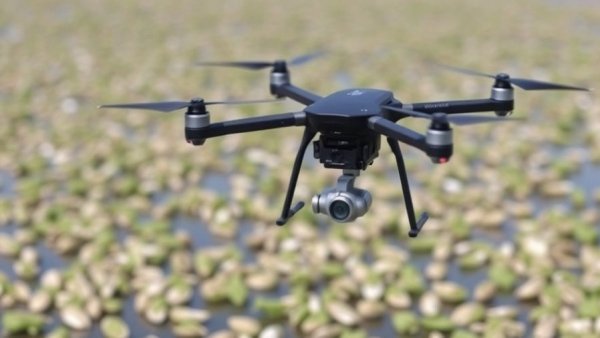
Heavy-lift agricultural drones are transforming not only how we farm on land but also how we restore delicate marine ecosystems. Innovative projects in Texas and Florida are highlighting this technology's new application: seeding oyster beds efficiently and effectively. With coastal environments facing various threats, this technique could provide the key to securing marine biodiversity while also offering economic opportunities for local communities.

Pioneering Success in Texas

In Texas, the recent use of drones to seed oyster beds in Galveston Bay represents a groundbreaking step in commercial aquaculture. Last June, Jeri’s Seafood partnered with Palacios Marine Agriculture Research to release over a million baby oysters into specially leased areas. Utilizing a drone from ProTexAG, they completed the task in just 20 minutes—an impressive feat considering traditional methods can be labor-intensive and slower. This achievement marks a potential turning point for the state, especially following the legislative changes that opened doors for innovative aquaculture practices.

Challenges in Implementation

However, this technological advancement is not without its challenges. Flying drones over water presents unique obstacles, particularly when it comes to stability and payload management. ProTexAG's owner, Erik Olsen, emphasized the importance of careful calibration to avoid costly mistakes, as the payload of oyster seeds is significantly more expensive than traditional land-seeded crops. As oyster seed is fragile, precision in application is crucial to achieving favorable outcomes.

Florida's Trailblazing Efforts

Meanwhile, Florida has been cited as an early adopter of drone technology for oyster restoration, having initiated this process as early as 2024. AquaTech Eco Consultants took the lead in collaborating with local research institutions to enhance the health of Apalachicola Bay through innovative restoration techniques. By recycling oyster shells and employing heavy-lift drones, they have not only accelerated habitat restoration but also promoted sustainability in the aquaculture field.

The Future of Drones in Aquaculture

The prospects of utilizing drones in aquaculture can’t be understated. As technology continues to evolve, the ability to automate and streamline processes will likely grow, making it easier for businesses to carry out complex restoration projects. By borrowing expertise from agricultural applications, drone deployment can enhance operational efficiency in marine settings. Experts predict that as regulations catch up with technological advancements, widespread adoption will follow.

Significance of the Shift

This shift from traditional farming to tech-driven aquaculture has broader implications. Aligning with conservation efforts, drone utilization can potentially restore marine ecosystems while providing new revenue streams for entrepreneurs and communities alike. The intersection of technology and environmental stewardship could well represent the future of sustainable practices in aquaculture.

Your Role in Supporting Aquaculture Innovation

As these projects progress, the community plays a vital role. Educating oneself about the benefits of aquaculture and advocating for sustainable practices can help sway public perception and support local businesses that employ these emerging technologies. By staying informed and sharing insights, individuals can contribute to a future where our coastal waters are vibrant and economically viable.


Drone Applications

6 Views

0 Comments

Write A Comment

*
*
Please complete the captcha to submit your comment.
Related Posts All Posts
11.21.2026

Explore the DIY FPV App: The Ultimate Tool for Drone Pilots

Update Introducing the DIY FPV App: Elevating Your Drone Experience The drone hobby community has been eagerly anticipating this launch, and finally, the day has arrived. The DIY FPV app is here to transform the way pilots interact with their flying machines, bringing together resources, community, and technology into one easy-to-use platform. For both seasoned pilots and newcomers, this app promises to enhance the FPV (First Person View) flying experience, ultimately enriching the joy of this exhilarating hobby.In 'THE #1 app for FPV pilots is here', we delve into the revolutionary DIY FPV app, exploring its features and the significant impact it can have on the FPV flying community. Key Features that Set DIY FPV Apart The DIY FPV app is packed with features that cater to the needs of every drone enthusiast. Firstly, it offers a customizable dashboard where users can choose what they want to see immediately upon logging in. Whether you're looking for maps, product catalogs, or trending discussions, the flexibility is in your hands. Additionally, the app provides a discussion page that acts as a central hub for sharing experiences, tips, and asking questions among a like-minded community. Furthermore, the built-in product catalog is a game changer. It enables pilots to search for products with ease, comparing prices and availability from various stores. This feature is particularly useful for those seeking specific parts or equipment, ensuring that the frustration of hunting for the right gear is alleviated. Building Community Connections One of the standout features of the DIY FPV app is its focus on community connectivity. With an interactive map, users can discover other pilots nearby, making it easier to meet, collaborate, and share the thrill of flying. The community aspect encourages pilots to engage with each other, fostering friendships and collaborations that further enrich their flying adventures. Whether you are hunting for a flying buddy or looking for tips from seasoned pros, the app aims to create a sense of belonging and camaraderie among users. Why Now is the Perfect Time to Dive Into FPV With Christmas around the corner, the launch of this app couldn't come at a better time. For those considering entering the FPV scene, the DIY FPV app offers an excellent starting point. It is free, accessible, and filled with resources to help new pilots get off the ground. As the hobby continues to grow in popularity, tools like this app are essential for creating enjoyable and supportive experiences for budding enthusiasts. The significance of this launch is also highlighted by the free Tiny Hawk Light drone giveaway, encouraging users to engage with the app and experience the community firsthand. This gesture emphasizes the inclusivity that the DIY FPV team champions as they aim to bring newcomers into the fold. The Future of FPV: What Lies Ahead? As technological advancements continue to reshape how we engage with hobbies, the DIY FPV app represents a pivotal development in the FPV space. Looking ahead, we can expect to see more integration of emerging technologies within the app, perhaps including augmented reality features, real-time weather updates, and enhanced connectivity options for live sharing during flights. The sky, quite literally, is the limit. In conclusion, the DIY FPV app stands out as a significant improvement for the FPV community. With its comprehensive features, user-friendly interface, and strong focus on building community ties, it promises to redefine how pilots interact with their drones and with each other. Don’t miss the opportunity to level up your FPV game—download the app today and join a thriving community that shares your passion for flight!

11.22.2026

Are These 3 Strategies Holding Your Drone Business Back?

Update Unlocking Success: How to Propel Your Drone Business Forward As the drone industry continues to soar, many drone pilots find themselves on the ground, struggling to break through the barriers that keep their businesses from reaching greater financial success. In How to Scale Your Drone Business: The 3 Things Holding Your Drone Business Back, experts offer crucial insights into why many drone pilots earn less than they deserve, and how they can turn their fortunes around.In How to Scale Your Drone Business: The 3 Things Holding Your Drone Business Back, the discussion dives into essential insights regarding client acquisition and maintaining recurring business—elements that are crucial for enhancing success in the drone industry. The State of the Drone Industry According to a survey conducted by Pilot Institute, out of over 500 drone pilots surveyed, an astonishing 60% haven't been compensated for their drone work yet. Many of these pilots are still honing their skills while some are exploring the drone industry as a side hustle. It's essential to address this gap in earnings as the market matures and competition increases. Three Key Strategies to Elevate Your Drone Business The findings suggest that the key to generating over $10,000 in annual earnings lies in three crucial strategies: finding clients, maintaining those relationships, and pricing your services effectively. Here’s a closer look at each of these strategies. Finding Clients: The Power of Connections Industry veteran Billy Kyle emphasizes the importance of leveraging personal connections when seeking clients. Surprisingly, only 4% of pilots generating income rely on digital advertisements or social media as their primary source for clients. Referrals from previous clients and partnerships with local businesses remain the mainstay of client acquisition. Therefore, tapping into your network and delivering quality work will help create a robust referral pipeline. Keeping Clients: Establishing Recurring Work Jared Yanisk points out that nearly 85% of drone pilots earning over $10,000 annually attribute their success to recurring work contracts. Thus, establishing repeat business relationships is key. Developing a schedule for consistent jobs—whether that's inspecting crops, monitoring construction projects, or other recurring needs—ensures a steady income stream. Pricing Your Services: Know Your Worth Lastly, understanding your service's value is crucial. Ross Matthews shares insights from his experiences transitioning from small gigs to larger contracts within drone mapping. Charging what’s appropriate for the time and quality of your work can significantly enhance your profitability. Potential clients appreciate clarity in pricing, so setting distinct rates not only establishes professionalism but also builds trust. Next Steps: Embrace Continuous Learning and Networking As drone technology and applications evolve rapidly, pilots are encouraged to embrace continual learning. Utilizing resources such as the free scaling checklist provided at the end of the webinar is an excellent starting point for establishing a clear path forward. By diversifying skills, networking continuously, and mastering the art of effective pricing, drone pilots can elevate their businesses to new heights. The drone industry is rife with opportunities, and understanding the key strategies to combat the common barriers can lead to significant financial reward. Whether you're a seasoned pilot or just starting out, these insights can help you navigate and thrive in this exciting technological landscape.

11.21.2026

Need a Part 107 Certificate for Drone Tasks? Here's What You Should Know

Update Understanding the Need for a Part 107 Certificate When it comes to operating drones, many hobbyists are often confused about when they need to obtain a Part 107 certificate. This is particularly true when they consider using their drones to help friends or neighbors with small favors. The FAA's recreational rules state that flying must be strictly for fun to be exempt from needing a Part 107 license. If you're climbing behind the controls for anything that resembles a job—be it a favor or even a volunteer task—you’ll likely need this certification to stay compliant.In 5 Drone Favors That Actually Need a Part 107, the discussion dives into the necessity of certification for various drone activities, prompting us to analyze the implications and requirements for drone pilots. Five Common Drone Scenarios Requiring Part 107 Questions abound around what constitutes recreational flight versus commercial activity. Let’s dive into the five scenarios that many drone pilots mistakenly assume do not require a Part 107 certificate: Inspecting Neighbor's Roof: While it may seem like a kind gesture, using your drone to peek at a neighbor's roof post-storm is considered inspection and isn't a recreational flight. Taking Aerial Photos for Real Estate: If you’re capturing images to help sell a family member's home, that falls under commercial use, necessitating a Part 107 certificate. Filming School Events: Capturing footage for a child's sports game with the intent to share on a school's website transforms a fun outing into a commercial endeavor. Promotional Shots for a Business: Even when volunteering to get aerial shots for a friend's new café, you need a Part 107 as you are, in essence, promoting their business. Volunteering for Nonprofits: Contrary to what many believe, the FAA applies the same rules here—flights supporting nonprofit work still require a Part 107 certificate. What’s Allowed Under Recreational Rules? It's important to distinguish what you can do without a Part 107. Activities such as flying for personal enjoyment—taking scenic shots, filming family gatherings, or practicing maneuvers—are generally acceptable. However, even harmless postings on social media could be classified as commercial if you monetize that channel, thus requiring certification. How to Obtain Your Part 107 Certificate The pathway to obtaining your Part 107 certificate has been designed to be manageable. To qualify, you need to: Be at least 16 years old Pass the FAA’s knowledge test at a designated facility UAV Coach offers a comprehensive preparation course, which not only provides you with the foundational knowledge needed for the exam but also includes practical tips and live support from experts. This training can prove invaluable, especially in avoiding legal pitfalls associated with breach of FAA regulations. The Importance of Compliance in the Drone Community Adhering to these regulatory requirements is vital—not just for your peace of mind but for the credibility and safety of the entire drone flying community. By ensuring flights are conducted under the proper regulations, pilots build trust within the community and reinforce the professionalism of drone operations overall. Ultimately, next time you're faced with a neighborly drone-related favor, the question should be: Is this fun or a job? Answering this correctly will help you assess the need for a Part 107 certificate, ensuring you're flying safely and legally. If you're looking to pursue your Part 107 certification, now is a great time! UAV Coach's special sale offers significant savings, allowing you to prepare effectively for your exam. Check them out for more resources and guidance on your journey as a drone pilot.

Drone Central Station

Drone Central Station is your HQ for all things drone. Keep up-to-date with advances in drone tech, drone usage, and new products. Get tips, product reviews, and more.

  • Drone Central Station

COMPANY

  • Privacy Policy
  • Terms of Use
  • Advertise
  • Contact Us
  • Menu 5
  • Menu 6

(510) 393-8174

AVAILABLE FROM 8AM - 5PM

City, State

, Oakland, CA

ABOUT US

Drone Central Station is your HQ for all things drone. Keep up-to-date with advances in drone tech, drone usage, and new products. Get tips, product reviews, and more.

© 2026 CompanyName All Rights Reserved. Address . Contact Us . Terms of Service . Privacy Policy

Terms of Service

Privacy Policy

Core Modal Title

Sorry, no results found

You Might Find These Articles Interesting

T
Please Check Your Email
We Will Be Following Up Shortly
*
*
*