
cropper
Drone Central Station
  • Home
  • Categories
    • Drone Tech
    • Drone Applications
    • Drone Racing
    • Accessories
    • Real Estate
    • Military
    • Disaster
    • Drone Footage
    • Product Reviews
    • Business Profiles
November 27.2026
2 Minutes Read

Inside Russia's Sokol-3 Drone: A New Edge Against Fast Aerial Threats

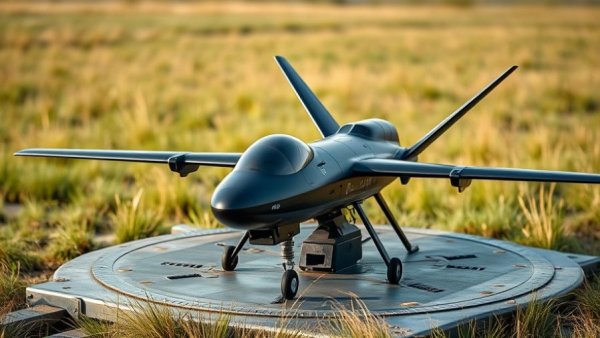
Sokol-3 interceptor drone ready on launch pad in grassy area

Russia Unveils Next-Gen Sokol-3 Interceptor Drone

In a bid to bolster its aerial defenses in the ongoing conflict with Ukraine, Russia has introduced the Sokol-3 interceptor drone. This new system is designed to engage faster aerial threats, including jet-powered unmanned aircraft, showcasing a strategic shift in how nations combat drone technology on the battlefield.

Adapting to Speed: Why the Sokol-3?

The Sokol-3, recently showcased by the Russian Ministry of Defence, represents an evolution from its predecessor, the Sokol-I. Given the increase in speed and frequency of drone attacks from Ukraine, the new interceptor drone is seemingly tailored to confront these challenges head-on. Ukrainian military data suggests that jet-powered drones launched during the summer have risen significantly, with speeds ranging from 240 to 500 km/h. The urgency for faster and more efficient interception solutions has clearly influenced the development of the Sokol-3.

Innovations in Design and Functionality

The Sokol-3 features a larger and more sophisticated design than the Sokol-I, now utilizing a catapult launch system that allows it to accelerate without the need for a runway. This innovative design enhances its operational versatility, crucial for rapid responses in dynamic combat environments. The new drone is also reportedly half the size of the original Sokol-I while boasting double the speed, further increasing the chances of intercepting high-speed threats.

Importance of Accurate Technology in Modern Warfare

Despite Russia's optimistic portrayal of the Sokol-3 through military media, independent verification of its performance remains scant. The success of the interceptor, especially against jet-powered drones, has yet to be substantiated by publicly available footage. This raises questions about the viability of the aircraft and whether it can effectively contribute to Russia's defensive strategies. The ability to disrupt drone attacks without resorting to costly missile systems could redefine aerial combat tactics in the region.

Future Implications of Drone Warfare

The emergence of the Sokol-3 signals a broader trend in military technology – the shift towards unmanned aerial systems as indispensable tools in modern warfare. As nations prioritize speed and cost-effectiveness in their defensive capabilities, interceptor drones may become a norm. This paradigm shift not only highlights the evolving nature of air combat but also reflects the increasing complexity of international military engagements, where speed and technology are more critical than ever.

Final Thoughts on Drone Innovations

The introduction of the Sokol-3 interceptor drone illustrates the pressing need for countries to adapt to quicker aerial threats. Whether this innovation lives up to its promises remains to be seen, but it certainly adds another layer of strategy in an already intricate battlefield of the drone warfare age. As technology advances, keeping pace with innovations will be essential for understanding global military dynamics.


Military

4 Views

0 Comments

Write A Comment

*
*
Please complete the captcha to submit your comment.
Related Posts All Posts
11.27.2026

Ukraine's Strategic Shift to HiSKY for Drone Communications Explained

Update Shifting Communication Strategies for Ukrainian DronesIn a strategic pivot, Ukraine appears to be transitioning its long-range drone communications from SpaceX's Starlink to the Israeli HiSKY satellite communication system. This shift may not only enhance operational independence but also help mitigate restrictions imposed by the U.S. on Starlink usage in combat zones. As reported, the specific impetus for this change stems from a decision by Elon Musk to limit Ukrainian access to Starlink coverage in Russian territory, indicating a blend of business interests and geopolitical complexities at play.Exploring the HiSKY AdvantageHiSKY’s technology, particularly its smallest terminal, the Sirius 16×16 Ku, is designed to outperform conventional satellite communication systems. Featuring auto-hopping technology that enables seamless connectivity—even in jamming environments—the HiSKY system promises enhanced resilience for drone operators. As Ukrainian drone operators manage swarm attacks on Russian targets, the adaptability of HiSKY could prove invaluable in executing complex missions without interruption.Background on HiSKY and its DevelopmentHiSKY, which has roots in Israel and is supported by the UK Space Agency, represents a significant note in Ukraine's evolving tech landscape. The UK government has invested in this project, highlighting a broader commitment to enhancing European technological capabilities amidst rising tensions. With £9 million allocated through the European Space Agency, HiSKY stands as a symbol of cooperative technological advancement during a strategic crisis.What This Means for Future WarfareThe potential widespread adoption of HiSKY technology could redefine drone warfare not only for Ukraine but for military operations globally. The characteristics that allow drones to operate unhindered—such as the ability to hop between satellites dynamically—will likely influence future drone design and military strategies, emphasizing the relevance of communications technology in modern combat.Speculation and Confirmation: Navigating the Fog of WarWhile Ukrainian military communications expert Serhiy “Flash” Beskresnikov has not directly confirmed the integration of HiSKY in Ukraine's drone operations, the reports from Russian analysts indicate a discernible shift. The technology might give Ukraine a substantial edge in ongoing operations and challenge previous norms established by dominant players like SpaceX in the satellite communication market.Conclusion: The New Era of Drone CommunicationsThe dynamics of drone warfare are rapidly evolving, illustrated by Ukraine's possible switch to HiSKY for long-range communication. This strategic decision could not only enable enhanced operational capabilities but also serve as a precursor to future military innovations. Stay informed about the latest developments in drone technology and military strategies, as they will undoubtedly shape the landscape of global conflict in the years to come.

11.26.2026

Exploring the Future of Unmanned Systems: Embention Partners with Polish Naval Academy

Update A New Era of Collaboration in Unmanned Systems In a significant move for the future of military technology, Embention and the Polish Naval Academy (AMW) have formalized their partnership through a Memorandum of Understanding (MoU) aimed at advancing unmanned systems. This collaboration not only paves the way for technical training on innovations like the Veronte Autopilot but also establishes a strong framework for ongoing knowledge exchange and collaborative research on unmanned aerial vehicles (UAVs) and unmanned surface vehicles (USVs). Strengthening The Bridge Between Academia and Industry The MoU signifies more than just a contractual agreement; it highlights the importance of synergy between military education and technological advancement. AMW, located in Gdynia, Poland, is committed to education and research in naval sciences. The partnership will enhance the technical capabilities of both organizations as they work together on various projects designed to harness the potential of unmanned systems in maritime operations. The Future of Warfare and Autonomous Systems Embention's expertise in autonomy computers and safety-critical avionics is crucial for the development of reliable and effective unmanned systems. The challenges of operating in maritime environments, especially in adverse conditions, emphasize the need for systems that can navigate and function autonomously, even when communication with operators is intermittent. This agreement not only seeks to address current operational needs but also anticipates the evolving landscape of naval missions that will rely heavily on such technologies. Unlocking Potential through Research Initiatives Looking ahead, both Embention and AMW are invested in exploring the capabilities of autonomous vehicles for naval applications. The MoU serves as a versatile platform for joint initiatives that could lead to groundbreaking research in how unmanned systems can effectively support defense and research missions. This collaborative framing will also enable them to identify specific lines of work as the partnership develops, adapting to changing technological and strategic landscapes. What This Means for the Future of Naval Education The relationship formed through this MoU can potentially reshape military education by integrating technological advancements directly into the curriculum. By incorporating knowledge from the industry, AMW can better prepare its students for the challenges of modern naval operations, fostering a new generation of leaders skilled in the cutting-edge technologies that are becoming vital in military strategy. As Embention and AMW embark on this exciting journey, there is an opportunity here not just to innovate but also to educate and inspire future professionals within the drone technology and military sectors. This partnership exemplifies how collaboration can drive progress in fields deeply interconnected with our future security and operational capabilities.

11.26.2026

AeroVironment's $405M LOCUST X3 Order: The Future of Drone Defence in the Middle East

Update The Implications of AeroVironment's $405M Order for Military Defence SystemsAeroVironment, Inc. has made headlines with a monumental $405 million order for its LOCUST X3 high-energy laser weapon systems, marking a significant step forward in counter-unmanned aircraft systems (C-UAS) capabilities within the volatile Middle East region. This development comes at a time when security threats are escalating rapidly, particularly with the increased use of affordable and efficient unmanned aerial vehicles (UAVs), or drones, in combat and surveillance operations.The Rising Threat of DronesThe prime drivers behind AeroVironment's modernization of air defense are evident as recent conflicts underscore the growing threat posed by low-cost drones. These drones, including the notorious Shahed-series, have been utilized in a range of attacks against vital infrastructure—targeting everything from energy facilities to military installations. Their ability to operate in swarms complicates the capacities of conventional military defenses, making laser technology a formidable alternative for tackling these aerial threats.Understanding the Cost-Effectiveness of Directed EnergyMore than just an upgrade in technology, the LOCUST X3 system introduces a transformative economics model to air defense operations. Unlike conventional missiles, which can require exorbitant amounts per engagement, directed energy systems facilitate a drastically lower cost per shot. Wahid Nawabi, CEO of AeroVironment, articulated that this evolving paradigm of defense enables military forces to preserve traditional interceptors for higher-priority threats, thus enhancing efficiency across the board.Enhancing Defense with Integrated SystemsThe LOCUST X3 is not merely a standalone system; it's designed to work synergistically in a layered defense architecture, integrating with radar and command-and-control systems. This adaptability provides military customers with options to counter threats in a more refined manner, advancing overall mission objectives. Moreover, the in-built capabilities for rapid engagement, thanks to its robust thermal management and power systems, signify a leap toward maintaining constant vigilance against drone incursions.Commitment to Local Support and PartnershipAeroVironment's strategy extends beyond just deployment; it involves significant investments in local maintenance and training operations, thereby fostering partnerships in the region. Establishing an in-country support desk not only accelerates operational readiness but also sustains the life cycle of the LOCUST systems, ensuring long-term reliability in an ever-evolving threat landscape. This commitment indicates the company's intent to embed these technologies deeper into the fabric of national defense.Looking Ahead: Future of Directed Energy in Military ApplicationsThe announcement signals a potential shift in how military forces view and implement air defense mechanisms. As low-cost drones proliferate and adversaries continue to employ such technological advancements, innovations like the LOCUST X3 may redefine defense strategies on a global scale. Future developments may also see a more significant reliance on laser systems as military operations look for resilient, cost-effective solutions that can be adapted across diverse conflict scenarios.

Drone Central Station

Drone Central Station is your HQ for all things drone. Keep up-to-date with advances in drone tech, drone usage, and new products. Get tips, product reviews, and more.

  • Drone Central Station

COMPANY

  • Privacy Policy
  • Terms of Use
  • Advertise
  • Contact Us
  • Menu 5
  • Menu 6

(510) 393-8174

AVAILABLE FROM 8AM - 5PM

City, State

, Oakland, CA

ABOUT US

Drone Central Station is your HQ for all things drone. Keep up-to-date with advances in drone tech, drone usage, and new products. Get tips, product reviews, and more.

© 2026 CompanyName All Rights Reserved. Address . Contact Us . Terms of Service . Privacy Policy

Terms of Service

Privacy Policy

Core Modal Title

Sorry, no results found

You Might Find These Articles Interesting

T
Please Check Your Email
We Will Be Following Up Shortly
*
*
*