
Add Row
Add Element
cropper
update
Drone Central Station
update
Add Element
  • Home
  • Categories
    • Drone Tech
    • Drone Applications
    • Drone Racing
    • Accessories
    • Real Estate
    • Military
    • Disaster
    • Drone Footage
    • Product Reviews
    • Business Profiles
September 13.2025
3 Minutes Read

How to Report a Drone Accident: Essential Steps for Operators

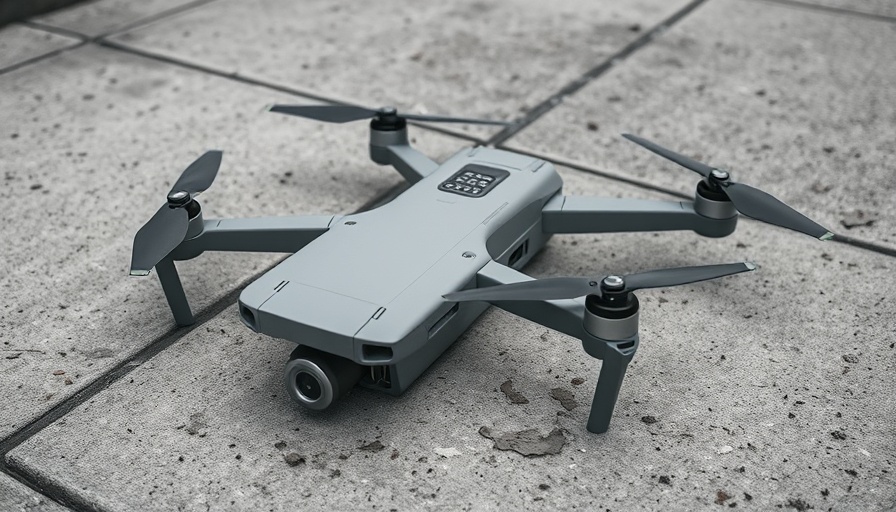
Broken drone on pavement illustrating How to Report a Drone Accident.

Understanding the Legal Responsibilities After a Drone Crash

For drone operators, a crash can feel like an overwhelming experience, filled with confusion regarding the legal implications and reporting requirements. It’s essential to know what to do immediately following an accident, as not reporting can lead to significant legal repercussions. For Part 107 pilots, failure to file an FAA accident report within ten days for qualifying incidents can result in penalties. Understanding when to call the National Transportation Safety Board (NTSB) is equally crucial, especially in incidents involving serious injuries or fatalities.

In 'How to Report a Drone Accident', the discussion dives into crucial reporting protocols following a drone crash, exploring key insights that sparked deeper analysis on our end.

What Counts as a Serious Injury?

Defining a serious injury in the context of drone accidents is vital for determining your reporting obligations. Generally, serious injuries include hospitalization for longer than two days, severe lacerations requiring stitches, or any injury that results in a significant impairment. Knowing this distinction can help you swiftly assess whether you need to involve the NTSB or other authorities, ultimately influencing how you handle your next steps.

Navigating Reporting Options: FAA, NTSB, and NASA

The path forward after a drone crash largely depends on the severity of the incident. For Part 107 pilots, a crash causing injury or over $500 in damages necessitates an FAA report. However, recreational pilots face less stringent requirements. Involving the NTSB immediately (if injuries are serious) ensures that you’re complying with national safety standards while protecting your interests.

If you believe you’ve committed a breach of FAA regulations but no physical harm occurred, a NASA safety report might be your best option. This process serves as both a shield against possible penalties and a stepping stone for improving safety practices within the drone community.

Why Timeliness Matters in Reporting

Timeliness is a significant factor in all reporting aspects. Both FAA and NASA require reports to be submitted within ten days post-incident. Delays can lead to complications in your protection, especially if the FAA learns about the accident through another source. By being proactive, you not only safeguard yourself but also contribute to the broader knowledge pool that helps enhance drone safety.

The Bigger Picture: Safety in the Drone Community

Whether you fly drones for recreational purposes or professionally, understanding these reporting protocols helps reinforce safety measures in the entire drone community. Involving yourself in the reporting process, even for minor incidents, aids in better regulation and establishes a culture of transparency and accountability among drone operators.

Final Thoughts: Encouraging Responsible Drone Operation

As drone technology continues to advance and become an integral part of our day-to-day lives, being informed about accident reporting protocols is essential for every operator. By understanding the nuances between FAA, NTSB, and NASA reporting, you can navigate the complexities of drone crashes more effectively. For those looking to gain insights into the future of drone operation and safety regulations, staying abreast of these procedures will serve you well.

Drone Applications

27 Views

0 Comments

Write A Comment

*
*
Please complete the captcha to submit your comment.
Related Posts All Posts
04.14.2026

Is America Ready for Drone Delivery Expansion? Latest Trends and Insights

Update Understanding the Quiet Revolution of Drone Delivery The world is slowly awakening to the reality of drone delivery, a service that is not as futuristic as many might think. Companies like Zipline are expanding their operations across the United States, quietly establishing a logistics network that could revolutionize how we receive goods. While drone delivery is still viewed as a novelty by many, it’s already here, operating effectively in select regions. With recent expansions into major cities, including Phoenix, it’s worth exploring how this technology is reshaping our expectations of delivery services. The Technology Behind Drone Delivery Drone delivery systems have evolved significantly over the years. Zipline, for instance, has completed over 2.3 million deliveries with a stellar safety record—no reported injuries or property damage. The company's drones hover approximately 300 feet in the air, using a tether to lower packages safely to their destinations without the need for landing. This method not only simplifies logistics but also aligns with regulatory guidelines that prioritize safety and predictability in operations. Expansion into Suburban Markets As Zipline and other companies push into suburban environments, they do so with a carefully measured approach that focuses on reliability rather than rapid disruption. While urban environments present diverse challenges, suburbs offer clear skies and fewer obstacles, making them ideal for testing the scalability of drone technologies. As seen with Amazon's Prime Air service predicted to launch in the Chicago suburbs, drone delivery is making pragmatic headway in markets underserved by traditional logistics. Diverse Perspectives on Drone Delivery Despite ongoing advancements, public perception often lags behind reality. Many still regard drone delivery as a concept confined to sci-fi movies. However, local developments reveal a dichotomy; while some residents celebrate the convenience and novelty that drone deliveries promise, others harbor concerns regarding safety and community disruption. For instance, residents in the Chicago suburbs expressed mixed feelings—some excited about the future, while others worry about the implications of drones flying over neighborhoods. What Lies Ahead for Drone Delivery Services? The road ahead for drone delivery appears promising, particularly as more data is gathered to support its safety and efficiency. As organizations refine their operational models and continue scaling into new markets, the potential for widespread adoption increases. With major players like Amazon and Zipline entering suburban markets, the future of logistics could very well be airborne. Their experiences will serve as case studies for the industry, revealing both the capabilities and limitations of integrating drone technology into everyday life. Ultimately, while the rollout of drone delivery systems may seem understated, their long-term implications could be profound. As these services become more commonplace, they may change not only consumer habits but the infrastructure of logistics itself. Stay informed on the latest in drone technology and logistics advancements. Subscribe to our newsletter for updates on the evolution of drone delivery!

04.11.2026

Unlocking Drone Technology: Your Questions Answered in Our Q&A

Update Understanding Drones: A Technology at Our FingertipsDrones have rapidly transformed from military tools to indispensable gadgets in various sectors, capturing the fascination of tech enthusiasts, hobbyists, and industry professionals alike. The video Ask Your Drone Questions — LIVE Q&A engages viewers in a direct dialogue about the multitude of questions surrounding drone technology and its applications. As drones continue to evolve, understanding how to optimize their use will fundamentally change our approach to everything from photography to logistics.In Ask Your Drone Questions — LIVE Q&A, the discussion dives into the multifaceted world of drone technology, exploring key insights that sparked deeper analysis on our end. The Versatility of Drones in Various IndustriesOne of the standout takeaways from the discussion is the versatility of drones and how they’re effectively integrated into different fields. For instance, in real estate, drones offer aerial views that enhance property listings and marketing strategies. In disaster management, they provide a critical eye for assessing damage and planning recovery efforts. With advancements in drone tech, industries can enhance efficiency and accuracy in operations.Common Concerns: Safety and RegulationsSafety remains a primary concern for many potential drone users. Regulations can often feel daunting, deterring individuals from taking the plunge into drone ownership. The Q&A highlights the importance of understanding local laws regarding drone use, which can vary widely. This knowledge not only ensures safety but also compliance with law enforcement, thereby fostering a positive perception of drone technology. Clarity on topics like no-fly zones and maximum altitude restrictions is crucial for responsible usage.Future Trends in Drone TechnologyThe future of drone technology seems promising as new trends emerge. As discussed in the video, advancements in artificial intelligence will likely play a major role in enhancing drone capabilities. This might include autonomous navigation systems that allow drones to operate without human intervention, potentially revolutionizing several industries. Furthermore, integration with other technologies, such as IoT (Internet of Things), will enable drones to communicate with other devices, expanding their usability even further.Empowering Users through KnowledgeRegardless of whether you’re a hobbyist or a professional, understanding drones can empower users to maximize the benefits of this technology. Engaging with communities, like the one fostered in the video’s Q&A, provides insights from peers and experts alike. This engagement encourages learning and equips individuals with practical tips for effective drone use, from choosing the right model to understanding technical specifications.Taking the Leap into Drone OwnershipThe conversation initiated in the video invites potential drone users to reflect on their motivations for getting involved. If you’re a tech enthusiast, the thrill of flying a drone might overshadow considerations about cost and regulations. However, being informed about these factors is crucial for a fulfilling experience. Equipped with information from the Q&A session, viewers are encouraged to explore the possibilities drones present while addressing any concerns they might have.As discussions about drones continue, participating in forums and live Q&A sessions can provide ongoing learning opportunities. For those excited about diving deeper into drone ownership or merely interested in the technology, now is the ideal time to engage with a community of like-minded individuals. The time to explore this innovative technology is now!

04.10.2026

Is Your Drone Flight Legal? Key Insights for HOA Residents

Update Understanding Drone Regulations in HOA Areas The rise of drone technology has opened up new avenues for real estate enthusiasts and hobbyists alike. One compelling scenario has emerged revolving around a homeowner in Southern California navigating family living within a Homeowners Association (HOA) framework and the legality of their drone flights. At first glance, the legal intricacies can appear daunting. However, understanding both FAA regulations and HOA guidelines can vastly simplify matters for drone pilots aiming for a smooth flight experience.In 'Can an HOA Stop This Drone Flight?', the discussion dives into the complexities of drone flight legality in HOA-regulated areas, prompting us to analyze the underlying factors at play. FAA Guidelines vs. HOA Restrictions According to the FAA, drone pilots have the liberty to operate within legal airspace, which includes areas above HOA properties. Specifically, this means flying under 400 feet, maintaining visual line of sight, and avoiding congested areas of people. However, the owner's jurisdiction ends at the ground, allowing the HOA to instate guidelines concerning drone usage relative to their common areas. The pilot in question commenced their flight from their backyard, which is not HOA common space, thus minimizing legal risks. The absence of drone-related stipulations in the CC&Rs (Covenants, Conditions & Restrictions) means they have room to operate their drone freely as long as they're adhering to FAA guidelines. Still, the HOA can impose restrictions on the use of common areas for drone operations, thereby maintaining peace among neighbors. Best Practices for Drone Pilots in HOAs While the flight appears legally sound from both the FAA’s and HOA’s standpoint, there are several steps the pilot can take to ensure smooth flying in HOA-regulated environments: Notify Neighbors: Engaging with neighbors prior to flying can prevent potential complaints and foster goodwill. Conduct Pre-Flight Checks: Familiarize yourself with both FAA rules and any HOA guidelines beforehand to minimize misunderstandings. Be Respectful: Maintain awareness about noise levels and flight schedules to mitigate disturbances. Emerging Trends and Future Implications The intersection of drone technology and real estate is conveniently positioned at the forefront of innovation. As residential drone use becomes a common hobby, we may witness increased conversations surrounding regulatory frameworks that manage airspace and property rights. Future laws might evolve to provide clearer solutions for drone use in residential communities, enabling a balance between technology and community regulations. In essence, drones provide a wealth of opportunities for aerial photography and recreational engagement. By understanding the regulatory structures at play, drone pilots can ensure they are compliant while also enjoying the unique aspects of drone piloting. Final Thoughts The scenario presented by the drone pilot certainly raises essential questions about legality within HOA environments. Proper education and communication are crucial in navigating this grey area of law. To explore deeper discussions about technology and the regulatory implications it carries, join the ongoing conversation about advancements in drone technology and their intersection with community living.

Terms of Service

Privacy Policy

Core Modal Title

Sorry, no results found

You Might Find These Articles Interesting

T
Please Check Your Email
We Will Be Following Up Shortly
*
*
*