
cropper
Drone Central Station
  • Home
  • Categories
    • Drone Tech
    • Drone Applications
    • Drone Racing
    • Accessories
    • Real Estate
    • Military
    • Disaster
    • Drone Footage
    • Product Reviews
    • Business Profiles
August 08.2025
2 Minutes Read

FAA Part 108 NPRM Explained: What Drone Operators Must Know

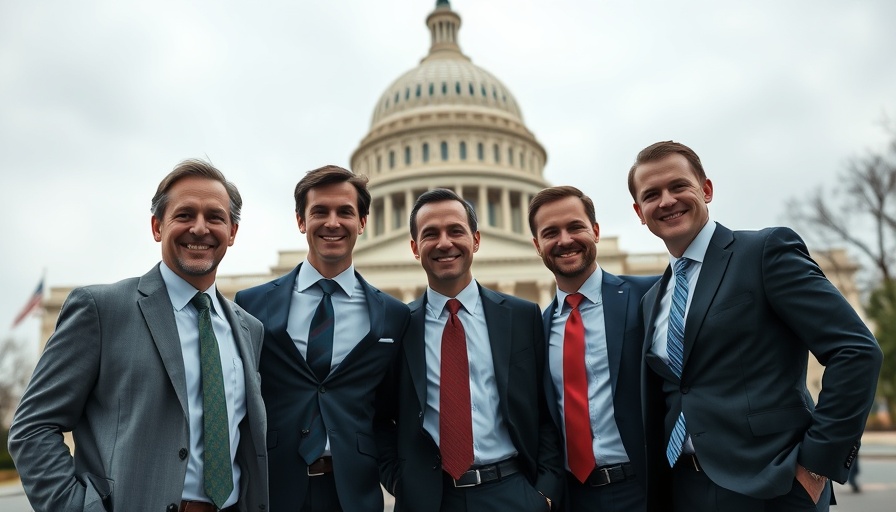
People smiling in front of Capitol, related to FAA Part 108 NPRM

What’s Driving the New FAA Part 108 Regulations?

The Federal Aviation Administration (FAA) is on the cusp of significant change with its proposed regulations for drone operations under Part 108. Understanding the intricacies of these new rules is crucial for anyone involved in the drone industry. Matt Sloane, co-founder of SkyfireAI, has meticulously navigated through the 700-page Notice of Proposed Rulemaking (NPRM) to distill what really matters for drone operators and businesses.

Historical Context of Drone Regulations

Since the introduction of drones into the national airspace in the mid-2010s, regulations have evolved significantly. Starting with the cumbersome Section 333 exemption, the industry saw a step forward with the implementation of Part 107 in 2016, which introduced a structured framework for commercial drone operations. This paved the way for a more systematic approach, allowing operators to fly for work under specified conditions.

However, Part 107's provisions fell short for those wishing to conduct operations beyond visual line of sight (BVLOS). With the new Part 108 regulations on the horizon, the FAA is set to address this gap, bringing clarity and opportunities for businesses aiming to leverage drone technology more broadly.

Key Changes in the Proposed Rule

One of the most significant shifts under Part 108 is the introduction of a “corporate responsibility model.” Unlike Part 107, which placed individual certification at the forefront, Part 108 allows companies to bear responsibility for ensuring their crews are adequately trained and mission-ready. This transition not only simplifies operational management for companies but also fosters greater accountability.

Operators will now have the option to apply for a “permit” for lower-risk operations or a “certificate” for more regulated activities. This flexibility will enable companies to select a regulatory path that aligns with their operational capabilities and risks.

The Future of BVLOS Operations

The proposed regulations promise a future where drone operations can become a common practice for various sectors, including public safety and commercial applications. As the industry collectively advances, the ability to fly BVLOS opens up a range of possibilities for inspections, deliveries, and even disaster response. Public safety agencies, although expected to continue using Part 91, will also benefit from the advancements under Part 108.

Implications for the Drone Community

For drone enthusiasts and industry professionals, the transition to Part 108 signifies a commitment from the FAA to recognize and integrate new technologies into current regulations. This proposed rulemaking is a pivotal moment for drone operations, underscoring the need for the community to stay engaged with regulatory developments that will shape the industry.

The insights from Matt Sloane's exhaustive analysis provide a roadmap to maneuver through the complexities of these upcoming regulations. Operators must consider how to implement the corporate responsibility model within their organizations to ensure compliance and operational efficiency.

As the drone industry stands on the precipice of transformation, understanding the Part 108 NPRM is not just advantageous; it's essential for future growth and innovative endeavors in the skies.

Drone Tech

36 Views

0 Comments

Write A Comment

*
*
Please complete the captcha to submit your comment.
Related Posts All Posts
11.23.2026

Amazon's MK30 Drone Safety Doubts: Are We Playing with Fire?

Update Reassessing Drone Delivery Safety: A Growing Concern As drone usage becomes increasingly common in urban settings, a collection of worrying incidents raises questions about safety protocols in drone deliveries. On November 20, 2026, an Amazon Prime Air MK30 delivered shampoo in Huntington Woods, Michigan, but not without a hitch—it snagged an overhead line before crashing onto a garage roof. While thankfully no one was injured, this accident adds to a list of near-misses and collisions involving the MK30 over the past year. Instances of the drone hitting construction cranes, severing internet cables, and crashing into homes are alarming signs that warrant scrutiny as drone technology matures. The Regulatory Landscape: Is It Enough? The recent attainment of SAIL 4 operational authorization from the UK Civil Aviation Authority (CAA) presents an intriguing juxtaposition against these mishaps. Designed to ensure high levels of operational safety, this certification depends on thorough risk assessments and system integrity checks. However, Amazon's MK30 has repeatedly demonstrated a troubling inability to navigate real-world environments filled with hidden hazards. The disparity between regulatory approval and everyday operational reliability raises essential questions about the sufficiency of current safety measures. Understanding the Risks: Heavy Drones Delivering Light Packages With its six motors and capability of carrying packages weighing up to 2.2 kg (5 lbs), the MK30 exemplifies the paradox of drone delivery services—large drones dropping small items in tight residential areas. While the package's weight may seem negligible, the consequences of a drone collision could be catastrophic. When a heavy drone entangles itself in power lines, there's a significant risk involved, challenging the doctrine of “breaking eggs to make an omelette.” What Lies Ahead? Potential Innovations and Solutions As drone technology becomes an integral part of our lives, ensuring safety is a priority. The path forward may involve significant advancements in drone perception systems, enabling them to recognize and avoid obstacles reliably. Such innovations could turn the tide for public confidence and drone acceptance. Companies must invest in robust R&D to create solutions that will keep both packages and people safe. More attention to design and operational tests in everyday environments may pave the way for safer drone delivery services. Broader Implications: Evaluating Technology and Society Beyond just delivery, understanding these challenges sparks a wider conversation about how technology interacts with society. As we embrace these advancements, it is vital to remember the balance between convenience and safety. Local communities and regulators must foster dialogue around emerging technologies to ensure they are developed responsibly. The events in Huntington Woods underscore the need for continuous reevaluation of safety protocols as we progress towards greater integration of technology into our lives. Until Amazon and similar companies can assure us of consistently reliable drone operations, the old adage rings true: luck should never be a strategy.

11.23.2026

Exploring the EU Drone Projects: Why So Much Activity Yields Little Progress

Update A Growing Discrepancy Between Investment and Outcomes In the bustling world of drone technology, the European Union has poured millions into creating an ecosystem that appears impressive on the surface. Funding is directed toward research, innovative projects, and demonstrations, each presented as a significant leap forward for commercial operations. However, while these initiatives generate plenty of buzz, they often fail to create an actual buzz in terms of market readiness. As the EU lays the groundwork, one pressing question echoes in the minds of industry stakeholders: Are we truly making progress towards a viable commercial drone industry, or are we simply engaging in an endless cycle of demonstrations without delivering on real-world applications? Evaluating the Drone Industry Landscape The EU Drone Strategy 2.0, launched in 2022, aimed to streamline various aspects of drone operations within European airspace, promising advancements such as U-space integration, which is meant to facilitate drone operations beyond visual line of sight (BVLOS) and urban air mobility solutions. Yet, as stakeholders gathered for the EU Drone Summit in November 2026, the feedback emphasized stagnation. A staggering 59% of participants reported no significant progress in U-space implementation, and a meager 34% claimed moderate success. It's becoming increasingly clear that despite years of investment and collaboration, these futuristic goals remain aspirational. Understanding the Commercial Viability Challenge Critical questions linger about the sustainability of these projects. Initiatives like U-ELCOME and BURDI showcase impressive technological strides and operational experimentation, but do they actually translate into viable businesses? Reportedly, most projects have succeeded in technical terms but have failed to create foundational commercial frameworks that allow businesses to thrive in this evolving sector. With extensive funding from platforms like the Connecting Europe Facility, one expects a measurable payback, yet that seems elusive. Lessons Learned and Path Forward The crux of the issue lies in the distinction between project completion and real-world application. While it’s beneficial that stakeholders engage in discussions and share findings, the drone industry urgently needs a strategy that shifts from mere demonstrations to actual market delivery. To leap beyond theoretical frameworks and achieve real progress, a robust regulatory environment, coupled with sensible funding mechanisms, is necessary. The multitude of ongoing projects indicates a hunger for development, yet without establishing clear pathways for commercial operations, this hunger may remain unfulfilled. Calls for Accountability and Real Change As we look back on the strides made in drone technology, Europe stands at an inflection point. The prospect of transforming ambitious visions into tangible outcomes requires not just continued funding but a greater emphasis on accountability. What stakeholders need now is transparency regarding funding outcomes and common sense in project objectives. At what point will we start asking if we have integrated drones into daily operations or if we’re just rehearsing for a performance that never gets staged? The EU’s drone initiative has undeniably laid the groundwork for innovation in unmanned aviation. Nevertheless, as Europe stands ready to embark on its next series of investments, it must shift focus from merely doing a lot to ensuring that something meaningful gets produced.

11.22.2026

SPECTRE Project: How Unifly Enhances Drone Traffic Management and Security

Update Understanding the Need for a Unified Drone Security Ecosystem The rapid proliferation of drones across Europe has raised profound security concerns, especially near sensitive sites like military bases and airports. The SPECTRE project, funded by the European Defence Fund, aims to address these concerns by creating a comprehensive system that integrates drone traffic management with counter-drone systems. As drone technology advances, so does the necessity for effective detection and response mechanisms to ensure public safety and regulatory compliance. Unifly's Unique Role in the SPECTRE Project Unifly, a leader in UAS Traffic Management (UTM), is playing a pivotal role in the SPECTRE project, bridging the gap between civil drone operations and defense needs. By providing authorized drone operation data in real-time, Unifly's systems will enable military and security personnel to differentiate between legitimate and potentially harmful drone activities. "Not every drone detected is a threat, yet immediate identification is crucial for an appropriate response," says Jürgen Verstaen, co-founder of Unifly. How the New System Will Function The core of the SPECTRE project is a modular, interoperable system that allows for seamless communication between various stakeholders. This system-of-systems (SoS) architecture will utilize UTM data to track and validate drone operations, enhancing situational awareness for defense teams. When a drone is monitored, the C2 system will correlate its flight path with authorized operations, ensuring that responses are proportionate and law-abiding. Benefits of SPECTRE for Public Safety The integration of UTM and counter-drone systems positions SPECTRE as a trailblazer in drone management, benefiting both civil operators and law enforcement. This system is designed to elevate public safety and streamline drone regulations, as it provides a legal and operational framework to manage drone traffic while still protecting critical infrastructure. By 2028, the consortium aims to have a validated and operational system demonstrated in three different countries, setting a precedent for international cooperation on drone security. Future Implications for Drone Technology As the use of drones continues to skyrocket, the SPECTRE project represents an essential step towards a secure airspace. Effective integration of drone management systems not only enhances security protocols but also encourages responsible drone use. UTM systems can provide clear guidelines and help mitigate risks associated with unauthorized drone operations, fostering a safer environment for innovation in drone applications. A Collaborative Effort Across Europe The SPECTRE project is a testament to the collaborative spirit among European nations, emphasizing the importance of shared security solutions. With nine partners from five countries, the project reflects a multifaceted approach to a complex challenge. Technology firms like Unifly are uniting with defense entities to create advanced frameworks that can adapt to the rapid evolution of drone technologies. In conclusion, the SPECTRE initiative not only showcases Unifly's innovative contributions but also sets a critical foundation for future drone management systems that prioritize both safety and efficiency in a rapidly developing technological landscape.

Drone Central Station

Drone Central Station is your HQ for all things drone. Keep up-to-date with advances in drone tech, drone usage, and new products. Get tips, product reviews, and more.

  • Drone Central Station

COMPANY

  • Privacy Policy
  • Terms of Use
  • Advertise
  • Contact Us
  • Menu 5
  • Menu 6

(510) 393-8174

AVAILABLE FROM 8AM - 5PM

City, State

, Oakland, CA

ABOUT US

Drone Central Station is your HQ for all things drone. Keep up-to-date with advances in drone tech, drone usage, and new products. Get tips, product reviews, and more.

© 2026 CompanyName All Rights Reserved. Address . Contact Us . Terms of Service . Privacy Policy

Terms of Service

Privacy Policy

Core Modal Title

Sorry, no results found

You Might Find These Articles Interesting

T
Please Check Your Email
We Will Be Following Up Shortly
*
*
*