
cropper
Drone Central Station
  • Home
  • Categories
    • Drone Tech
    • Drone Applications
    • Drone Racing
    • Accessories
    • Real Estate
    • Military
    • Disaster
    • Drone Footage
    • Product Reviews
    • Business Profiles
November 09.2026
3 Minutes Read

Exploring the Potential of Police Drone Programs: LVMPD Insights

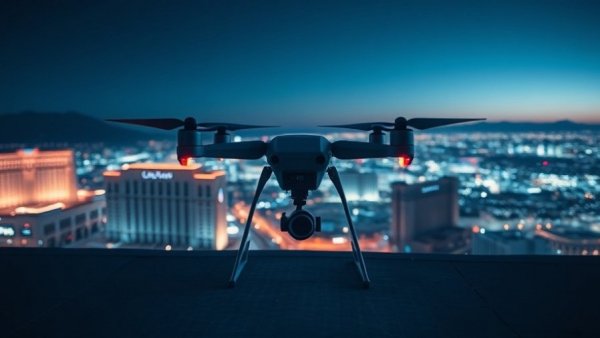
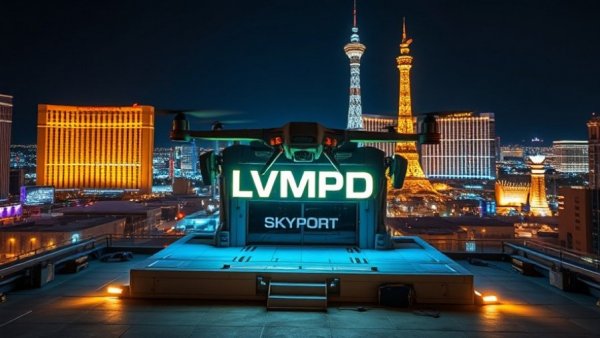
Police Drone Programs: Modern launchpad in Las Vegas skyline.

Exploring the Future of Police Surveillance: A Look at Drones

The use of drone technology in policing is not just a trend; it’s a growing reality that is reforming law enforcement by providing vital aerial perspectives during emergencies. Recently, we had a revealing inside look at the Las Vegas Metropolitan Police Department (LVMPD) drone program, one of the largest of its kind in the United States. This program epitomizes how technologic advancements in aerial support are facilitating a change in policing strategies.

In 'Inside One of America's Largest Police Drone Programs', the discussion dives into the innovative use of drone technology in law enforcement, exploring key insights that sparked deeper analysis on our end.

Why Drones are Revolutionizing Law Enforcement

The fundamental goal of utilizing drones in police work is a simple yet profound one: improved situational awareness. When a 911 call comes in, LVMPD can launch a drone to provide real-time footage before officers even reach the scene. This capability has not only improved response times but has also reduced unnecessary confrontations. For instance, a recent example demonstrated how a drone tracked a suspect through backyards, directing officers from above and ultimately aiding in a successful arrest.

Innovations and High-Tech Infrastructure

The infrastructure backing the LVMPD drone program is equally impressive. With a total of 75 drones spread across 13 strategically placed sky ports, the program boasts 10,000 drone missions in 2025 alone. Such extensive deployment exemplifies how serious law enforcement agencies are recognizing the value of aerial support.

Civilian vs. Officer Drone Pilots: A New Paradigm

Interestingly, not all drone pilots in this program are police officers. The integration of civilian pilots has been highlighted as beneficial, as their detached perspectives may lead to higher levels of focus when managing drone operations. This unusual partnership showcases a broader acceptance of diverse skill sets in a traditionally uniform field like law enforcement.

Privacy in the Age of Aerial Surveillance

While advancements in police technology shine a hopeful light on public safety, they also present challenges, particularly regarding privacy. The LVMPD actively engages in monitoring their airspace to ensure responsible drone usage, thereby addressing the public’s concerns regarding surveillance and privacy. Flight history is logged and audited, ensuring transparency regarding law enforcement operations.

Why Other Departments are Taking Notice

Due to its success, the LVMPD program has attracted attention not only from other police departments across the U.S. but also internationally—from countries like Japan and South Korea. The interest in replicating such a program indicates a recognized efficacy in drone deployment for public safety.

Taking Action: Your Perspective Matters

The rapid development of drone technology in police work raises questions about its broader implications. As you ponder how these innovations might affect your community, consider engaging with local law enforcement. Should your area adopt similar measures? Are there risks that no one is addressing? Your voice is crucial in the ongoing dialogue about the balance between safety and privacy in our neighborhoods.

In conclusion, the LVMPD drone program serves as a noteworthy example of how technology can elevate policing efforts while also engendering necessary conversations on privacy. As this trend expands, consider how technology may reshape the future of law enforcement in your area.

Drone Applications

1 Views

0 Comments

Write A Comment

*
*
Please complete the captcha to submit your comment.
Related Posts All Posts
11.09.2026

Understanding CAA Statutory Charges Consultation 2027: What It Means for You

Update Understanding the CAA Statutory Charges Consultation: What You Need to Know The UK Civil Aviation Authority (CAA) is set to initiate a significant consultation on statutory charges that will take effect from April 1, 2027. This initiative seeks to address the evolving landscape of UK aviation, focusing on crucial areas such as safety, security, consumer protection, and economic regulation. As the CAA outlines these proposed changes, their implications on stakeholders, particularly in the rapidly expanding drone sector, warrant a closer examination. Why Changes Are Necessary in the Aviation Sector The aviation sector has seen remarkable changes in recent years, marked by increased passenger traffic and more intricate regulatory requirements. Consequently, CAA’s proposed uplift, which is closely linked to the Consumer Prices Index for Housing (CPIH), aims to maintain existing regulatory capabilities.Furthermore, this consultation taps into issues such as modernization of regulatory services and investment in safety oversight—essential for ensuring that both consumers and the industry receive fair treatment and optimal oversight. Balancing Investment and Affordability: A Delicate Equilibrium The proposed adjustments reflect a delicate balance between necessary investments and the need to keep charges manageable for industry stakeholders. In the face of mounting financial pressures, the CAA has pledged to prioritize funding proposals while absorbing or deferring costs where possible. This commitment is crucial, particularly for drone operators and hobbyists, who depend on a robust regulatory framework to foster innovation and safety in their practices. Engagement Opportunities: Ensuring Stakeholder Voices Are Heard Stakeholder engagement is crucial in shaping the CAA's final charging framework. As the consultation period unfolds, insights from various sectors—including drone enthusiasts and industry professionals—will play a critical role in refining these proposals. This is an opportunity for all affected parties to contribute to a framework that balances regulatory requirements with industry realities. Final Thoughts The future of the UK aviation regulatory landscape, particularly concerning the emerging drone sector, hinges on active stakeholder engagement in the CAA’s consultation process. The proposed changes represent not only a logistical necessity but also an evolutionary step for aviation regulation in a context of increased complexity and competition. Voices from across the industry are needed to help shape a regulatory environment that is fair and adaptable. Your feedback during this consultation can make an impact on how aviation regulation is funded and structured. Participate today to influence this critical discussion and advocate for a fair, transparent aviation landscape.

11.09.2026

Why Your Feedback Matters for Broad Area BVLOS Operations

Update Understanding the Potential of Broad Area BVLOS Operations The aviation sector is on the brink of a revolution, thanks to advancements in drone technology. One of the most exciting developments is the guidance for broad area Beyond Visual Line of Sight (BVLOS) operations, recently outlined in Draft Annex B to Advisory Circular (AC) 101-06 v1.0. This guidance is crucial for enabling a wider range of drone applications, elevating the operational capabilities of Unmanned Aerial Vehicles (UAVs) across various industries. Why Your Feedback is Crucial The authorities are seeking feedback on the draft document, which outlines pathways for BVLOS operations, eligibility requirements, and responsibilities of authorization holders. Feedback will help assess whether the guidelines are clear and practically applicable. Key areas for feedback include the effectiveness of the guidance in supporting applications, identification of any safety issues, and whether the guidance sufficiently covers operational limitations. Pathways and Applications for Future BVLOS Operations The new guidance builds on the Temporary Management Instruction (TMI) 2025-03, expanding the possibilities for BVLOS operations. Companies and enthusiasts in the drone industry are encouraged to familiarize themselves with the proposed regulations, as they could significantly influence the future dynamics of commercial drone flight. Drones operating outside the pilot's visual line of sight can be used for tasks ranging from infrastructure inspections and agricultural surveying to emergency response and logistics. Ensuring Safety and Compliance Safety remains a top priority, and these guidelines aim to provide a structured approach to BVLOS operations. The draft specifies the responsibilities of authorisation holders and outlines necessary steps for applicants preparing for submissions. By articulating clear operational standards, the guidance is designed to foster safety while promoting innovation in drone usage. What Happens Next? Upon completing the consultation period, all feedback will be reviewed, and responses will be made public. A Summary of Consultation will outline the feedback received and any intended adjustments to the guidance. This inclusivity in the decision-making process is vital, as it not only highlights stakeholder engagement but ensures the final Annex B aligns with the community’s expectations and needs. Action Steps for Stakeholders Industry professionals and drone enthusiasts are urged to submit their feedback through the Consultation Hub via an online survey. Those unable to participate online can send their comments via email. Engaging in this process not only informs the regulatory body of practical insights but also shapes the future of BVLOS operations. As the final version of Annex B is framed, the possibilities it opens for widespread UAV applications cannot be understated. Your participation today could significantly influence tomorrow's drone industry landscape.

11.09.2026

Exploring the Las Vegas Police Drone Program: A New Era in Law Enforcement

Update The Emergence of Drone Technology in Law Enforcement In recent years, drones have revolutionized many industries, and law enforcement is no exception. Cities around the world are exploring advanced aerial technologies to enhance their policing capabilities. The Las Vegas Police Department has embraced this shift, integrating drones into their operations to improve public safety and operational efficiency.In 'Touring the Las Vegas Police Drone Program', the discussion dives into how drones are transforming law enforcement practices, exploring key insights that sparked deeper analysis on our end. Defining the Role of Drones in Public Safety The Las Vegas Police Drone Program serves multiple purposes, from surveillance to real-time situational awareness during emergency calls. By utilizing drones, police can access hard-to-reach areas quickly and collect aerial footage that traditional methods may not provide. This improves their ability to respond to incidents and prevents unnecessary risks to officers on the ground. Balancing Innovation With Civil Liberties As exciting as the advancements in drone technology are, they also raise important questions about privacy and surveillance. The incorporation of drones into police work necessitates a careful balance between utilizing technology for safety and safeguarding citizens' rights. In Las Vegas, community discussions have highlighted concerns over how data is collected and analyzed, prompting an ongoing dialogue on responsible drone usage. Impact on Training and Safety Procedures Incorporating drones into police operations requires specialized training. Officers must learn not just the technical aspects of operating drones but also how to analyze video footage effectively. This shift in training programs also highlights a growing responsibility to handle data ethically while using this advanced technology. Future Trends in Drone Technology for Law Enforcement The Las Vegas Police Department is setting a precedent that could influence how law enforcement agencies across America adopt drone technology. As advancements continue, we can expect more sophisticated features such as artificial intelligence integration for tracking and analysis. These improved systems may soon turn drones into vital allies in combating crime effectively and help facilitate community support. The discussion presented in Touring the Las Vegas Police Drone Program provides intriguing insights into how technology shapes safer urban environments. As drones continue to evolve, we need to engage in conversations about their implications in society and law enforcement practices.

Drone Central Station

Drone Central Station is your HQ for all things drone. Keep up-to-date with advances in drone tech, drone usage, and new products. Get tips, product reviews, and more.

  • Drone Central Station

COMPANY

  • Privacy Policy
  • Terms of Use
  • Advertise
  • Contact Us
  • Menu 5
  • Menu 6

(510) 393-8174

AVAILABLE FROM 8AM - 5PM

City, State

, Oakland, CA

ABOUT US

Drone Central Station is your HQ for all things drone. Keep up-to-date with advances in drone tech, drone usage, and new products. Get tips, product reviews, and more.

© 2026 CompanyName All Rights Reserved. Address . Contact Us . Terms of Service . Privacy Policy

Terms of Service

Privacy Policy

Core Modal Title

Sorry, no results found

You Might Find These Articles Interesting

T
Please Check Your Email
We Will Be Following Up Shortly
*
*
*