
The Rise of AI in Modern Warfare
As geopolitical tensions rise, the integration of AI into military systems becomes increasingly prevalent. The use of NVIDIA Jetson Orin modules in Russian drones and missiles exemplifies how emerging technologies can reshape conventional battlefields. This development not only raises new ethical questions but also showcases the dual-use nature of sophisticated technology initially designed for civilian applications.
Understanding NVIDIA's Role
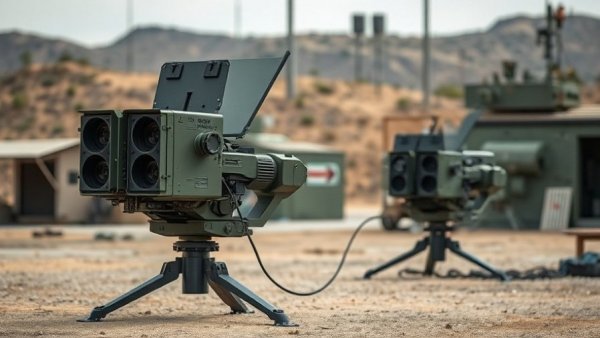
NVIDIA, primarily known for its graphics processing units, has ventured into the AI landscape with its Jetson Orin modules. These mini-computers have morphed into critical components of Russian military hardware, enabling advanced functionalities such as machine vision and autonomous decision-making. The implications of this transition are profound, as they demonstrate how quickly cutting-edge technologies can be repurposed for warfare, creating a need for regulatory frameworks on AI technologies.
The Impact of Autonomy in Weapon Systems
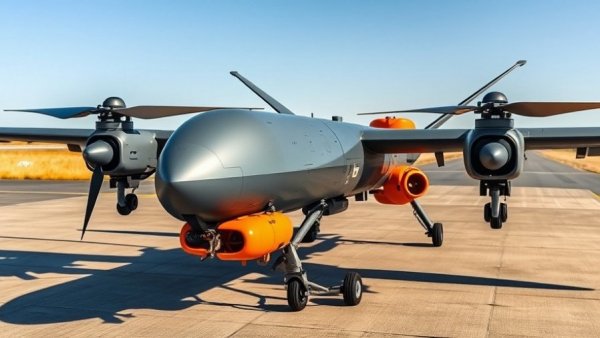
The ability of systems like the Molniya drone to autonomously select targets raises concerns regarding accountability and operational ethics in warfare. During a recent attack, the Molniya drone executed a strike on a petrol station after identifying propane tanks without human confirmation. This case serves as the first documented civilian casualties resulting from an autonomous system making real-time decisions, highlighting the urgent need for international dialogue about the rules governing autonomous weapon systems.
Technological Parallels: Similar Developments Worldwide
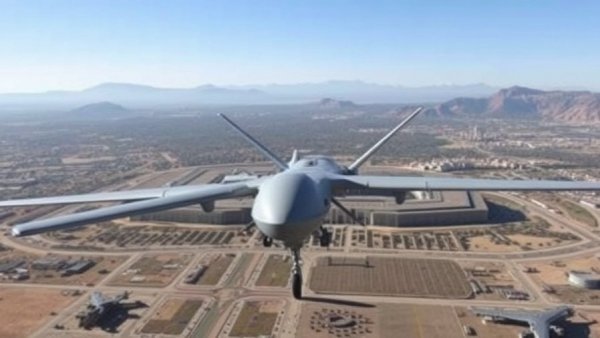
The trends observed with Russian military technology are not isolated. Similar advancements in UAV technology are being reported globally, where various nations are exploring AI-driven capabilities. Countries like the United States and China are also investing heavily in drone technology that incorporates machine learning for better target acquisition and operational effectiveness.
Future Innovations in Drone Technology
Looking ahead, the evolution of drone warfare will likely expand beyond existing capabilities. With advancements in AI, future drones could leverage increasingly sophisticated algorithms for image recognition and autonomous decision-making, further complicating the ethical landscape of military applications. The position of companies like NVIDIA in aiding these advancements raises questions about corporate responsibility and the impact on global security dynamics.
Key Takeaways for Technology Enthusiasts and Professionals
For tech enthusiasts and professionals, these developments create opportunities to engage in discussions around the intersection of AI and warfare. Understanding how technologies can shift from civilian to military uses is essential for anticipating future market trends and societal implications. It also stresses the importance of shaping policies that govern such technological advancements to mitigate risks associated with military applications.
In conclusion, the usage of NVIDIA’s tech in military applications highlights the complex relationship between innovation and ethical considerations. As technologies advance, society must navigate the challenges and responsibilities they present...



Write A Comment