
cropper
Drone Central Station
  • Home
  • Categories
    • Drone Tech
    • Drone Applications
    • Drone Racing
    • Accessories
    • Real Estate
    • Military
    • Disaster
    • Drone Footage
    • Product Reviews
    • Business Profiles
August 04.2025
3 Minutes Read

Explore Essential Techniques for Better Drone Footage Today

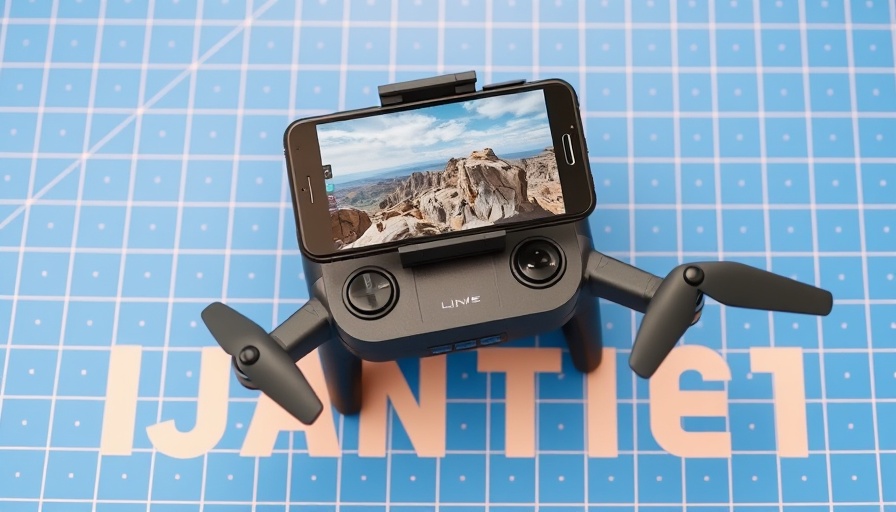
Drone controller showcasing drone footage techniques on blue background.

Mastering Drone Footage: Tips for Captivating Shots

Drones have revolutionized the way we capture video and photography, allowing anyone to achieve stunning aerial shots with creativity and ease. But mastering drone footage requires understanding various techniques and settings. This article delves into the techniques shared in the video Pro Drone Shots - Simple Setups for Better Footage. In it, we explore how to optimize your drone for different environments and subjects to achieve breathtaking results.

In Pro Drone Shots - Simple Setups for Better Footage, the video explores essential techniques for capturing stunning drone footage, prompting us to delve deeper into these effective strategies.

Understanding Different Environments for Drone Shots

When filming, the environment plays a crucial role in the outcome of your footage. Drones work effectively over diverse landscapes such as lakes, forests, and urban areas. For instance, the reflective nature of water can create mesmerizing effects in your shots. The video emphasizes capturing reflections, focusing on lower altitudes to enhance the visibility of your reflective effects.

Moreover, it advocates careful navigation around wildlife by using the drone's zoom capabilities. Not only does this approach respect animal boundaries, but it also provides study subjects that enhance the story your drone footage tells.

Optimal Camera Settings for Aerial Shots

Camera settings can significantly influence the quality of your footage. As highlighted, setting your ISO to the lowest possible value ensures clear images without noise. The optimal aperture, often set around F2.8, allows for beautiful depth of field effects, especially when paired with an appropriate ND filter—ensuring your shot isn't overexposed. The advice reaffirms that achieving 4K resolution at 60 frames per second is ideal for high-quality videos.

Using Techniques to Create Engaging Shots

Several techniques help bring your footage to life. For example, the use of parallax—where foreground objects move at different speeds relative to the background—creates a 3D effect that adds depth to videos. Coupling different zoom levels can produce dramatic results, particularly as noted in the examples of moving shots over landscapes. This technique significantly enhances visuals, making scenes feel more vibrant and dynamic.

In addition to parallax, using nadir shots can offer compelling top-down views of landscapes, showcasing intricate details otherwise unseen. This method can be particularly beneficial when capturing dense forests or intricate urban designs.

Why Vertical Video is Essential for Modern Filmmakers

As mobile video consumption continues to rise, the demand for vertical videos has surged. The video discusses how vertical formats can frame subjects effectively in various settings. The rise of social media highlights the importance of this trend in storytelling. Drones now offer unique capabilities to capture vertical videos beautifully, merging traditional techniques with contemporary requirements, leading to potential virality among viewers.

Closing Thoughts

Drone technology continues to evolve, providing filmmakers and content creators with unprecedented opportunities to expand their storytelling horizons. By honing your skills in understanding environments, camera settings, and advanced filming techniques, you can elevate your shooting game.

Whether you're an aspiring filmmaker or an enthusiastic hobbyist, embracing these tips can make each flight an adventure, capturing remarkable moments with stunning clarity and creativity. For further insights into improving your drone skills, consider exploring available courses tailored to maximize your expertise.

Drone Footage

47 Views

0 Comments

Write A Comment

*
*
Please complete the captcha to submit your comment.
Related Posts All Posts
06.26.2026

Unlock Stunning Aerial Views: How to Capture Fireworks With Your Drone

Update Searching for the Perfect Fireworks Shot? Tips for Drone Enthusiasts Fireworks displays are a staple of celebrations worldwide, but capturing them on camera can be a challenge, especially when using drones. In this article, we delve into essential techniques for capturing stunning aerial fireworks photography with your drone, combining technical expertise and creative vision.In How to Capture Fireworks With Your Drone!, the focus is on mastering the art of aerial fireworks photography, raising important considerations that drone enthusiasts should keep in mind. Understanding Drone Settings for Fireworks The first step in achieving spectacular drone footage of fireworks is understanding your equipment. Adjusting camera settings plays a crucial role: ISO: Set your ISO to a lower setting, around 100 to 200, to avoid noise in your images. Fireworks emit bright light, so this setting can help maintain clarity. Aperture: Use a small aperture (higher f-number), which will keep more of the scene in focus, perfect for the varied distances of the fireworks. Shutter Speed: A slower shutter speed of about 1 second allows more light to enter the camera, capturing the trails created by fireworks. Experiment with settings to find the optimal balance. Mastering the Flight Path: Positioning Your Drone Placement is key when it comes to capturing fireworks with a drone. Choose a vantage point that provides a clear shot of the fireworks while considering safety regulations: Find an open space away from crowds. Maintain a proper altitude, typically around 200 to 400 feet, to ensure you remain compliant with local drone laws while capturing the event. Scout for unique angles or landmarks to add dimension to your footage. What Equipment Will Enhance Your Fireworks Photos? While drones come equipped with decent cameras, there are accessories you can use to elevate your photography: Neutral Density Filters: These filters reduce the amount of light hitting the sensor, allowing for longer exposures without overexposing your shots. Stabilization Gimbals: If your drone allows for it, a gimbal provides stability, ensuring each shot is smooth and professional quality. Consider Safety and Regulations As thrilling as it is to capture fireworks from the skies, it’s essential to prioritize safety. Always check local regulations regarding drone usage in crowded areas and near pyrotechnics. Respecting airspace restrictions can prevent accidents and allow for a thrilling experience for all parties involved. Future Developments in Drone Technology for Photographers The future holds exciting potential for drone technology in photography. With advancements in autonomous flight and improved camera sensors, capturing high-quality footage of fireworks is only going to get easier. Upcoming drones will likely feature AI-enhanced tracking, allowing them to follow the action autonomously and enabling amateurs to capture stunning shots with minimal effort. In How to Capture Fireworks With Your Drone!, the focus is on mastering the art of aerial fireworks photography, raising important considerations that drone enthusiasts should keep in mind.

06.26.2026

How to Capture Fireworks with Your Drone: Tips for Stunning Shots

Update Unleashing the Night Sky: How to Capture Fireworks with Your Drone As the sun sets and fireworks light up the night sky, capturing these stunning displays from a drone can produce breathtaking photos and videos. However, capturing fireworks with a drone is not merely about flying your device high into the air; it requires adherence to specific rules and smart flying techniques to ensure safety and legality.In 'How to Capture Fireworks With Your Drone!', the video explores the intricacies of using drones for capturing fireworks, prompting us to delve deeper into these crucial guidelines and tips. Understanding the Regulations: Stay Compliant to Fly with Confidence Before you even consider launching your drone, it's crucial to familiarize yourself with the regulations set forth by the Federal Aviation Administration (FAA). According to the FAA, flying drones near fireworks is permissible, provided certain conditions are met. First, you must check for Temporary Flight Restrictions (TFRs) around the event. During major fireworks displays, many areas restrict airspace to keep both spectators and pilots safe. In 2023, there are numerous apps, including Airspace Link and UAS Sidekick, that help determine whether you can fly in your desired location. Furthermore, ensure that you are aware of the airspace classification you're in—uncontrolled airspace (Class G) does not require prior authorization; however, if you are flying in controlled airspace (Class B, C, D, or E), you must secure permission via the aforementioned apps. Preparation is Key: Get Ready to Capture Fireworks Once you gauge the regulatory landscape, the next step is to prepare efficiently for your aerial shoot. This includes contacting the event organizers to request permission and ascertain any particulars about the launch site. Private shows may offer more flexibility and fewer hazards compared to public events that use professional-grade fireworks. Hence, if you have the opportunity to film a personal fireworks show in your backyard or at a family event, this should be your priority. Best Practices for Night Flying: Be a Responsible Pilot Flying at night introduces unique challenges. For night flights, drones must be equipped with anti-collision lights detectable from up to three statute miles. If your footage will be sold commercially, completing an initial knowledge test is mandatory. While launching, arrange to illuminate your landing area and familiarize yourself with potential obstacles like trees and power lines to ensure a safe flight path. Having a visual observer can also prove advantageous, especially when flying close to fireworks. The Art of Photo Settings: Capture the Night Out of Fireworks Camera settings play a pivotal role in creating stunning fireworks visuals. Begin by adjusting the ISO to around 1600 and utilizing a shutter speed between 1/25 to 1/50 of a second. If filming, consider shooting at 25 frames per second, as it allows for smooth playback of the beautiful, bursting colors above. Following these recommendations will help showcase the fireworks’ vibrancy against the night sky, creating a memory that can be shared long after the lights fade. Conclusion: Ready, Set, Fly! By adhering to legal regulations, preparing adequately for the flight conditions at hand, and using the correct camera settings, you can successfully capture stunning images and videos of fireworks with your drone. As we approach festive seasons like the 4th of July, remember that safety and responsibility are paramount—get permission, respect the regulations, and most importantly, enjoy the artistic experience of capturing the night sky. For more tips on drone flying and photography, don't forget to subscribe to our content and stay in touch with the latest developments in drone technology!

06.06.2026

Maximize Your Drone Shots: Expert Tips for Sunsets & Sunrises

Update Capture Your World: Drone Photography at Dawn and Dusk For drone enthusiasts and technology aficionados alike, the beauty of capturing breathtaking sunsets and sunrises is unmatched. These magical times of the day offer unique lighting conditions that can transform ordinary landscapes into stunning photography. The video titled "Drone Tips for Sunsets & Sunrises!" provides valuable insights on how to optimize drone usage during these fleeting moments. Here, we delve into the key takeaways, offering a deeper understanding of drone photography techniques and equipment.In 'Drone Tips for Sunsets & Sunrises!', the discussion offers valuable insights on optimizing drone photography during magical lighting conditions, prompting us to expand further on these topics. Understanding Light and Composition The golden hour—just after sunrise and before sunset—is renowned for its soft, diffused light. This is a prime opportunity for drone operators to explore and experiment with angles and compositions. Warm light can enhance colors, giving landscapes a more vibrant appearance. When preparing for a shoot, it is vital to scout locations ahead of time and consider the positioning of obstacles like trees or buildings that might hinder your view. This forethought pays off by allowing for seamless photography when the light is just right. The Right Settings for Stunning Shots Adjusting camera settings is crucial to effectively capture the beauty of your surroundings during these times. Bridging the gap between technology and art, using manual settings to control exposure, ISO, and shutter speed can make a significant difference. Lowering the ISO minimizes noise, while a slower shutter speed captures the nuance of light, especially in twilight conditions. Many drones also allow for bracketed exposures, enabling the shooter to combine different shots and create dynamic HDR images, enhancing the depth and detail within the photographs. Essential Drone Techniques for Aesthetic Results Flight techniques, such as slow panning and ascending to higher altitudes, can lead to more compelling images. Drones equipped with gimbals provide stabilization that ensures smooth movements, avoiding jarring images. Experienced drone pilots also practice flight paths in advance to maintain control as they work through complex light conditions that shift rapidly. Moreover, adding in the rule of thirds during composition and leveraging leading lines can elevate your drone photography from average to extraordinary. Choosing the Right Equipment When embarking on your drone photography journey, equipment plays a pivotal role. Familiarity with your drone's camera capabilities, battery life, and stabilization features is essential. For sunsets and sunrises, models equipped with superior low-light performance such as the DJI Mavic Air 2 or the Phantom 4 Pro may be advantageous. These drones not only provide higher resolutions but also allow for better post-processing flexibility, unfolding opportunities for stunning imagery that captures the spirit of the dawn and dusk. Why Drone Photography Matters In an age where experiences are often commodified through technology, the ability to capture and relive those magical moments is invaluable. Drone photography has made it possible for individuals to showcase their perspectives of the world—one that blends artistry with technology. Whether it’s for personal pleasure, business creativity, or just sharing with friends, the skills to capture these scenic times can unlock new opportunities, both personally and professionally. As you gear up for your next shoot, remember the insights gleaned from "Drone Tips for Sunsets & Sunrises!" By blending preparation, technique, and equipment proficiency, you can elevate your drone photography to new heights. So grab your gear, explore the skies, and embrace the beautiful juxtaposition of light and landscape.

Drone Central Station

Drone Central Station is your HQ for all things drone. Keep up-to-date with advances in drone tech, drone usage, and new products. Get tips, product reviews, and more.

  • Drone Central Station

COMPANY

  • Privacy Policy
  • Terms of Use
  • Advertise
  • Contact Us
  • Menu 5
  • Menu 6

(510) 393-8174

AVAILABLE FROM 8AM - 5PM

City, State

, Oakland, CA

ABOUT US

Drone Central Station is your HQ for all things drone. Keep up-to-date with advances in drone tech, drone usage, and new products. Get tips, product reviews, and more.

© 2026 CompanyName All Rights Reserved. Address . Contact Us . Terms of Service . Privacy Policy

Terms of Service

Privacy Policy

Core Modal Title

Sorry, no results found

You Might Find These Articles Interesting

T
Please Check Your Email
We Will Be Following Up Shortly
*
*
*