
Add Row
Add Element
cropper
update
Drone Central Station
update
Add Element
  • Home
  • Categories
    • Drone Tech
    • Drone Applications
    • Drone Racing
    • Accessories
    • Real Estate
    • Military
    • Disaster
    • Drone Footage
    • Product Reviews
    • Business Profiles
August 22.2025
3 Minutes Read

ePropelled Expands U.S. Manufacturing: Meet Rising Drone Demand

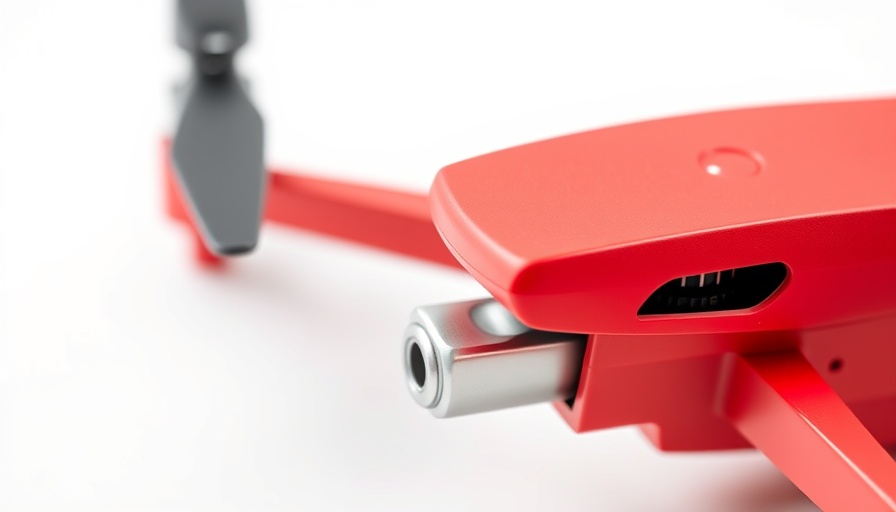
High-quality U.S. manufacturing drone component in red and black.

U.S. Drone Manufacturing Grows Amid Rising Demand

In a significant move to strengthen domestic production, ePropelled, Inc., a leading propulsion solutions provider, has announced the expansion of its U.S. manufacturing operations. Located in Laconia, New Hampshire, the new facility aims to meet increasing demands for drone components, particularly as the defense sector seeks reliable and compliant suppliers.

Droning Towards Independence: The Need for Local Production

As geopolitical tensions rise and the U.S. government pushes for reduced dependence on foreign imports—especially from countries like China—the demand for local manufacturing has never been clearer. This legislative backdrop, combined with an urgent need from the defense sector for small drone technologies, is fueling the growth of U.S.-based firms like ePropelled.

Scaling Production and Capability

The new facility will span 24,000 square feet, allowing ePropelled to produce hundreds of thousands of drone motors and controllers annually by 2026. With a fully compliant Department of Defense supply chain, ePropelled can now meet the rigorous standards of the National Defense Authorization Act (NDAA), making its products particularly attractive to both military and commercial customers. “This expansion reduces turnaround times, ensuring faster delivery to our clients,” says Nick Grewal, the company’s founder and CEO.

A Closer Look at the Technology: Products for Every Use

ePropelled's product lineup includes advanced propulsion systems such as the Sparrow, Falcon, and Hercules Series. Each series is tailored for different applications, from lightweight UAVs to high-powered systems suited for hybrid vehicles. This diverse range ensures that ePropelled is well-positioned to cater to various sectors, including aerospace, industrial automation, and maritime industries.

The Future of Domestic Manufacturing

ePropelled isn’t just stopping at motor production. The company plans to achieve vertical integration by incorporating lamination stack production and machining capabilities in-house. This progression not only enhances their manufacturing ability but also highlights a commitment to quality and efficiency that sets them apart.

Emphasizing Quality with International Standards

With all operations certified to ISO 9001:2015 standards, ePropelled is set to assure its customers of the highest levels of performance and reliability. Richard Edwards, Director of Operations, emphasizes the importance of combining cutting-edge technology with rigorous quality controls to maintain their competitive edge in the evolving landscape of drone manufacturing.

The Global Footprint of a Local Player

While the expansion in New Hampshire solidifies ePropelled’s domestic arsenal, the company also plans to introduce an international facility to meet the needs of non-U.S. markets. With existing operations in the UK and India, ePropelled is not only reinforcing local jobs but also solidifying its global presence, ensuring that it can compete effectively on a wider stage.

Conclusion: The Road Ahead for U.S. Drone Tech

The push for U.S.-manufactured drone components marks a pivotal shift in both industry and national security perspectives. As ePropelled ramps up production in response to increasing demand, the implications of their growth could resonate throughout multiple sectors, showcasing the critical role of technology in shaping our future. For tech enthusiasts and industry professionals alike, keeping an eye on the evolution of drone technology and domestic manufacturing will be essential.

Drone Tech

10 Views

0 Comments

Write A Comment

*
*
Please complete the captcha to submit your comment.
Related Posts All Posts
04.05.2026

Exploring the Future of Drone Technology: AX12 Radio and Oxbot Lumo Review

Update Unpacking the Innovations in Drone Technology: Spotlight on the AX12 Radio and Oxbot Lumo The world of drone technology continues to soar, with exciting advancements that cater to both enthusiasts and professionals alike. In a recent live stream, tech expert Stu from UAV Futures pulled back the curtain on the latest innovations in the drone arena, focusing on two standout products: the AX12 Radio from Radio Master and the Oxbot Lumo drone. As the drone market grows, so does the need for better communication and control tools, which is where these products come into play.In the video 'Walksnail news, Ax12 radio, Axis fly new drone', the discussion dives into exciting developments in drone technology, exploring key insights that sparked deeper analysis on our end. The AX12 Radio: A Game Changer or a Niche Tool? The AX12 Radio is designed with a large touchscreen interface running Android, offering more functionality than traditional FPV radios. As explained by Stu, it's structured to provide options for the non-traditional FPV pilot who might use the radio for gliding or ground vehicles, rather than solely for drone racing. The innovative use of HDMI input allows users to visualize their drone feeds directly on the radio screen, shifting away from the all-too-common reliance on FPV goggles. However, this raises an essential question: Does the inclusion of these advanced features detract from the straightforward user experience many FPV pilots seek? While it certainly provides a customized experience, Stu advised potential buyers to consider their typical use case—if you're a casual flyer, there might be more effective options available on the market. The radio retails around $200 to $250, a significant investment for someone who primarily wants a device for the occasional flight. First Impressions of the Oxbot Lumo Drone Next up is the Oxbot Lumo, a drone that aims at being both accessible and versatile. Priced much lower than the typical high-end FPV models, the Lumo is pitched as an entry-level machine that could appeal to newer pilots. The design features improved camera protection and modular capabilities, making it a sturdy choice. Moreover, its lightweight structure means that the Lumo can be flown in a variety of environments without causing a disturbance, catering perfectly to hobbyists who want flexibility in their flying conditions. Once again, the context of the specific user profile is essential. As mentioned by Stu, this drone seems to be a fantastic option for beginners or those looking for an everyday flyer without the overwhelming features found in pricier models. What Does This Mean for the Future of Drone Technology? As drone technology advances, we see a growing division between high-performance equipment tailored for professional use and simpler models designed for recreational flying. The focus on enhancing user experience through intuitive control interfaces—like that of the AX12 Radio—or by creating lightweight, easy-to-operate drones such as the Oxbot Lumo, highlights a shift in the industry toward inclusivity. By appealing to a broader demographic, manufacturers could encourage more people to enter and engage with the hobby. This growing accessibility fosters a wealth of creativity and community, inviting more participants to share their stories and experiences. Moreover, as the global drone community expands, the importance of mental health and social connections has also become a pivotal topic of conversation among drone enthusiasts. As noted by Stu, positive mental health is essential in today's fast-paced world, emphasizing the social bonds forged within the drone community. Whether through fly-ins, competitions, or casual flying days, this hobby can create supportive networks. Conclusion: Fly High and Stay Grounded It’s evident from the performance and advancements of products like the AX12 Radio and the Oxbot Lumo that innovation is key in the world of drones. As technology progresses, it’s essential to remember that whether you're a seasoned pro or a newcomer, the aim is to enjoy the experience. For those interested in flying, considering the right gear can enhance the enjoyment of this engaging hobby. Don't forget to reach out to the community for support, share your stories, and make the most of your flying opportunities!

04.05.2026

Discover Cutting-Edge FPV Drone Technology: The Radio Master AX12

Update Exploring the Latest Trends in FPV Drones In the vibrant world of drone technology, the recent FPV livestream hosted by Stu from UAV Futures highlights some exciting advancements in the industry. This particular stream focused on the new Radio Master AX12 Android radio controller, which promises to revolutionize the way hobbyists and professionals interact with their drone setups. As the technology evolves, it's essential to understand what this means for both enthusiasts and newcomers looking to delve into the drone hobby.In 'New radios, MICRO DRONE UPDATES - FPV livestream,' the discussion highlights exciting advancements in drone technology and community engagement. What Makes the Radio Master AX12 Stand Out? At the heart of the discussion is the Radio Master AX12, a device that combines modern technology with user demands. This Android-based controller features a sizeable touchscreen interface and various applications that streamline the flying experience. Unlike traditional controllers, the AX12 integrates features typically found on smartphones, making it a versatile tool for drone pilots. However, it comes with a price point higher than many standard FPV radios, prompting prospective buyers to consider whether the advanced features are necessary for their flying style. Micro and Whoop Drones: The Best Choices for Beginners Another pivotal segment of the stream revolved around recommendations for beginner drones. Stu emphasizes the advantages of starting with micro or whoop quadcopters. These compact drones are not only easier to handle but also provide a more forgiving learning curve, making them ideal for newcomers. The intention is to foster the right skills without overwhelming new pilots with the complexities of larger and more powerful drones. Guidelines for Buying Secondhand Drone Gear As the interest in drones grows, many enthusiasts are turning to the secondhand market for equipment. However, buying used gear comes with its challenges. During the livestream, several golden rules were shared for purchasing secondhand drone equipment. Most notably, batteries should be treated with caution as their lifespan can be unpredictable. Furthermore, goggles and radios typically retain about 50% of their value when used, so buyers should be aware of market prices to ensure they strike a fair deal. This advice serves as a powerful reminder to thoroughly inspect gear and assess its value before making any purchases. Reflections on the Evolution of FPV Drones Reviewing the changes in FPV technology over the past decade provides perspective on the industry’s rapid advancement. Stu reflected on his experiences with FPV drones, highlighting both the growing acceptance in society and the challenges that come with increased awareness among regulations. The rise of user-friendly digital systems and improved flight technologies has broadened the horizon for both recreational and competitive pilots. Why Community Matters in FPV Perhaps one of the most important takeaways from the livestream is the sense of community within the FPV hobby. Stu's genuine devotion to connecting with fellow drone enthusiasts was clear throughout his message. He showcased the importance of being supportive within the community, emphasizing a mutual interest in helping one another succeed in the craft. Positive interactions within the FPV community can lead to shared experiences and knowledge, which ultimately enhances the overall drone-flying experience. As technology progresses and the FPV community continues to grow, it's vital for both existing hobbyists and newcomers to stay informed about trends, tools, and support systems available in the drone industry. Engaging with the community, investing in suitable gear, and understanding the technological landscape are key aspects to thriving as a drone enthusiast. Interested in learning more? Check out more from UAV Futures for in-depth insights and reviews!

04.04.2026

Avoiding No Drone Zone Confusion: Essential Insights for Hobbyists

Update Understanding the No Drone Zone Confusion The launch of drones into various industries has sparked interest and innovation, yet it has also brought forth a significant amount of confusion, particularly surrounding the concept of 'No Drone Zones.' As showcased in the video titled No Drone Zone Sign Confusion, even seasoned drone enthusiasts can find themselves puzzled when confronted with these regulations.In the video titled No Drone Zone Sign Confusion, the discussion dives into the complexities of drone regulations, and we’re breaking down its key ideas while adding our own perspective. What Are No Drone Zones? No Drone Zones refer to designated areas where flying drones is prohibited. These zones can be created for various safety reasons, including air traffic regulations, privacy concerns, and security issues. However, understanding where these zones exist and the signage used to denote them can often become a tricky endeavor for drone operators. Visual Clarity: The Role of Signage The video highlights the inconsistency in signage related to No Drone Zones. Some signs are clear, while others can be quite ambiguous, leading to misunderstandings. This problem is particularly prevalent in urban areas and near critical infrastructure, where different regulations might apply. As more municipalities adopt drone usage, standardized signage could help mitigate this issue, making it easier for hobbyists and professionals alike to navigate these regulations. Why Compliance Matters For drone hobbyists and professionals operating in a complex regulatory environment, compliance isn’t just a legal requirement—it’s essential for safety and public trust. Drone accidents could lead to dangerous situations, particularly in crowded urban settings. Furthermore, non-compliance can result in hefty fines, damaged reputation, and loss of privileges associated with flying drones. Thus, understanding local regulations and the correct interpretation of signage is critical. Advancements in Technology to Aid Drone Operators Given the importance of understanding drone regulations, advancements in technology could serve as a helpful avenue for operators. Apps that provide real-time information on drone regulations, including No Drone Zones, have started to emerge. These applications can offer maps that indicate areas where drones can and cannot be flown, thereby preventing confusion at ground level. The Future of Drone Regulation The growing popularity of drones hints at the need for evolving regulations. As more data is collected about drone incidents and their implications, drone laws might become more defined with clearer usage guidelines, potentially leading to fewer areas being deemed No Drone Zones. This shift could encourage a more inclusive environment for drone enthusiasts and allow the industry to flourish while maintaining safety and compliance. Considerations for the Drone Community For those passionate about flying drones, especially in testy regulatory climates, knowledge is power. Keeping up-to-date with local regulations, participating in drone community forums, and utilizing technology can help create a safer environment for all drone operators. A proactive approach will not only protect individuals but also build community trust.

Terms of Service

Privacy Policy

Core Modal Title

Sorry, no results found

You Might Find These Articles Interesting

T
Please Check Your Email
We Will Be Following Up Shortly
*
*
*