

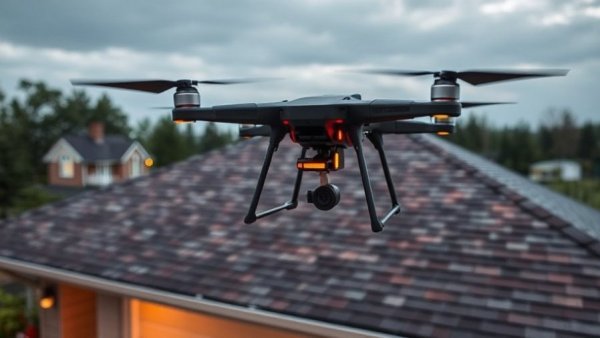
The Rise of Drone Deliveries: A Game-Changer for E-Commerce
Drones are swiftly becoming an integral part of the modern e-commerce landscape, providing consumers with unprecedented speed and convenience in deliveries. Amazon's investment in the Prime Air MK30 drone symbolizes the potential for transforming logistics and customer experiences. However, technological advancement comes with its challenges and risks, exemplified by the incident that occurred in Huntington Woods, Michigan.
What Happened in Huntington Woods?
On November 20, an incident unfolded that highlights the inherent challenges in utilizing drone technology for deliveries. An Amazon Prime Air MK30 drone collided with an overhead wire while attempting to ascend after dropping off a package. This malfunction resulted in the drone landing on a residential garage roof, causing damage but fortunately avoiding any injuries. The quick response from DTE Energy to disconnect power services ensured that recovery efforts could proceed safely.
Safety Above All: Amazon's Commitment
Amazon has taken proactive steps to ensure the safety of its drone delivery operations. The MK30 drone is equipped with advanced features, including detect-and-avoid technology and redundant safety systems—a necessity given the complexities of navigating urban environments. According to an Amazon spokesperson, incidents like these are rare, and the company remains committed to investigating every operational mishap thoroughly.
Current Regulatory Landscape for Drones
The Federal Aviation Administration (FAA) plays a vital role in regulating drone operations, ensuring safety in the airspace. Amazon operates under the FAA's Part 135 certification, which involves completing extensive safety protocols and assessments before launching services. As the drone market continues to expand, the FAA's role will be critical in shaping policies that promote innovation while safeguarding public safety.
The Future of Drone Delivery: Challenges and Opportunities
Despite the setbacks faced by drone delivery systems, the path forward remains promising. Drones can significantly reduce delivery times and operational costs, creating a seamless experience for consumers. However, companies must navigate challenges, including infrastructure issues, regulatory hurdles, and public acceptance. As drones take to the skies, their successful integration into daily life will hinge on addressing these concerns effectively.
Conclusion: The Evolution of E-Commerce Delivery
The recent incident in Michigan serves as a reminder that technological advancements, while revolutionary, must be executed with caution. As Amazon and similar companies continue to innovate, the focus on safety, regulatory compliance, and public trust will determine the long-term success of drone deliveries. For interested consumers and industry professionals, staying informed about these developments could provide insights into how e-commerce and logistics may evolve in the coming years.





Write A Comment