

cropper
Drone Central Station
  • Home
  • Categories
    • Drone Tech
    • Drone Applications
    • Drone Racing
    • Accessories
    • Real Estate
    • Military
    • Disaster
    • Drone Footage
    • Product Reviews
    • Business Profiles
August 07.2025
2 Minutes Read

Discover the MiS-150: Russia's Enhanced Drone for Modern Warfare

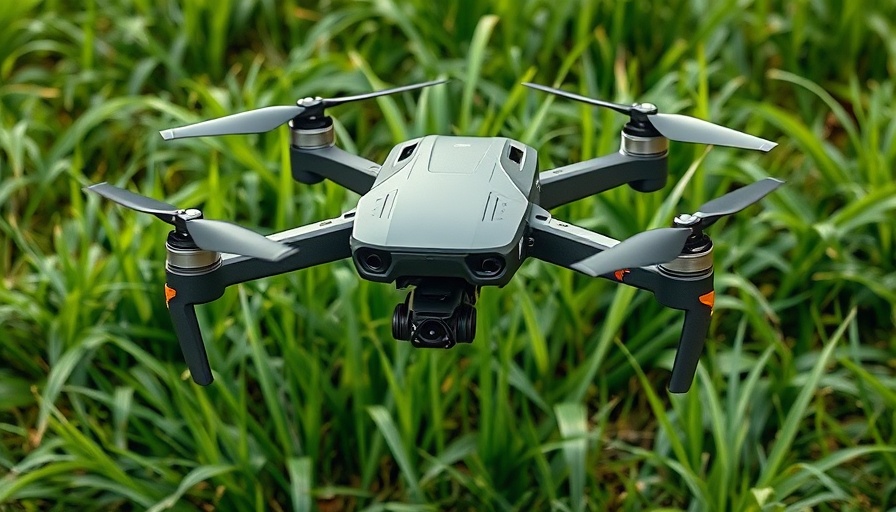
Russia's New MiS-150 Drone hovering over lush grass.

Introducing the MiS-150: An Advanced Drone in Russia's Arsenal

Russia has recently rolled out the MiS-150, an unmanned aerial vehicle (UAV) that aims to address shortcomings encountered with its predecessor, the MiS-35. This move indicates a shift in military drone technology focused on enhancing offensive capabilities. The MiS-150 represents a significant upgrade, not just in payload capacity but also in overall mission versatility.

Lessons Learned from the MiS-35

The original MiS-35 was heavily touted as a significant advancement in UAV technology; however, operational deployment revealed its limitations. Functions that were expected to feature prominently—such as combat engagements—turned out to be overshadowed by logistical tasks. Reports indicate that the MiS-35 was utilized for logistical purposes in 70% of its missions, rendering it less effective than anticipated in real combat operations.

The Technical Upgrades of the MiS-150

The MiS-150 has been designed to rectify the shortcomings identified during the MiS-35's deployment. With a maximum payload capacity that has increased dramatically from 4.5 kilograms to 15 kilograms, the MiS-150 is engineered to carry heavier munitions, including TM-62 anti-tank mines. Such enhancements will empower the drone to perform in a combat role more effectively than its predecessor.

Moreover, the operational range has improved from 9 kilometers to 12 kilometers, allowing for a wider operational area while minimizing exposure to enemy defenses.

Significance of the New ‘Guide’ System

Another key feature of the MiS-150 is its advanced ‘Guide’ system, which is crucial for conducting missions in environments filled with electronic warfare systems. This system enhances the drone's ability to evade countermeasures, giving it an advantage on the battlefield, where electronic warfare is becoming increasingly prominent.

Where Does the MiS-150 Fit in the Bigger Picture?

As military technology evolves, the introduction of the MiS-150 signals Russia's commitment to advancing its drone capabilities amid ongoing conflicts. Drones like the MiS-150 may play pivotal roles not only in direct military confrontations but also in strategic logistics. The isolated use of drones for logistics in past missions may suggest that future drones will need to balance both combat and support roles effectively.

Conclusion: A Step Forward in Military Drone Technology

The unveiling of the MiS-150 highlights Russia's response to battlefield realities, aiming to redefine its unmanned aerial capabilities following the MiS-35’s failures. As military conflicts increasingly integrate advanced technology, understanding these developments is critical for professionals and enthusiasts alike, indicating broader trends in drone technology and military strategy.

Stay tuned for more updates on the latest in drone technology and military innovations!

Drone Tech

81 Views

0 Comments

Write A Comment

*
*
Please complete the captcha to submit your comment.
Related Posts All Posts
08.26.2026

First Breach Completes Drone Flight: A New Era in U.S. Manufacturing

Update First Steps into a New Era of Drone Technology On August 26, 2026, Maryland's First Breach Inc. made headlines by completing the first flight of its proprietary drone prototype, a significant milestone for the company as it transitions from its roots in ammunition manufacturing to enter the burgeoning unmanned aircraft systems market. This development, closely following the company's debut on the Nasdaq Capital Market, is not just about a successful flight; it's a strategic move aiming to capture a share of the rapidly evolving defense technology landscape. Strategic Expansion Towards Drone Production The Hagerstown-based company, which trades under the ticker symbol FBDT, has ambitious plans to initiate large-scale production of two attritable drone platforms by 2027. Positioned as flexible and functional, these drones are designed for both compact, close-quarters missions and longer-range operations. Notably, First Breach aims to produce over 2,500 drones weekly once their production capabilities are fully scaled, reflecting their commitment to addressing the increasing demand for domestic drone manufacturing amidst rising geopolitical tensions. Collaboration with Engineering Experts To realize these goals, First Breach has partnered with Hellbender, a Pittsburgh-based engineering firm, which will lend its expertise in design and technical support. This collaboration underlines a significant trend in the drone industry: the shift towards using shared components in drone design, which not only simplifies manufacturing but also speeds up assembly and reduces costs. Such a streamlined approach is vital for meeting the stringent needs of national defense while maintaining agility and innovation. The Importance of Domestic Production First Breach’s pivot towards drone manufacturing comes at a crucial time when U.S. policymakers emphasize the necessity of domestic production capabilities. This strategic focus is aligned with government initiatives aimed at securing supply chains, which have been highlighted as a vulnerability in recent years. By diversifying its production from ammunition to include drones, First Breach is not just expanding its business portfolio; it is positioning itself favorably in the defense sector, where reliability and quick adaptations are paramount. Future Implications for the Defense Landscape As eyewitnesses to technological innovation, drone enthusiasts and technology followers should take note of how First Breach’s advancements could impact broader defense strategies. The prototypes currently under development are not merely technological novelties but also essential components in enhancing U.S. military readiness and adaptability. With each flight, First Breach inches closer to securing a competitive edge in a rapidly advancing field. What Lies Ahead for First Breach and the Drone Industry Looking forward, First Breach's ambitious plans to scale production highlight opportunities for growth not just for the company, but also for the entire U.S. drone manufacturing sector. By fostering innovation in domestic manufacturing and leveraging their existing infrastructure, they pave the way for further advancements and increased competitiveness in the global drone market. Finally, as the drone industry continues to evolve, it will be essential for industry professionals and enthusiasts alike to stay informed about key players like First Breach and the technological trends defining the future.

08.25.2026

Andromeda's Real-Time Drone Threat Detection: A Game-Changer for Airspace Security

Update Revolutionizing Airspace Security: The Andromeda Impact As drone technology continues to evolve rapidly, the implications for security have become increasingly critical. Recently, High Lander introduced Andromeda, a novel airspace security system capable of distinguishing authorized drones from potential threats in real-time. This development comes at a time when incidents involving unauthorized drones have garnered high-profile media attention, highlighting the urgent need for sophisticated safety measures. Bridging the Information Gap Traditionally, many site-security organizations struggle with fragmented information feeds stemming from disparate detection systems. Each piece of detection equipment operates on its own, requiring operators to juggle multiple unintegrated displays. Andromeda’s innovative approach utilizes Sensor Fusion technology. This means it can merge data streams from various sources—such as radar, RF, optical, and acoustic sensors—into a single, cohesive operational picture. This integration not only enhances tracking accuracy but also streamlines the information flow, allowing security personnel to respond quicker and more effectively. The Identification Friend or Foe (IFF) System Explained Understanding the classification of drones is paramount for effective airspace management. High Lander categorizes authorized civilian drones as "blue," which broadcast their identity and fly within regulated airspace. Conversely, unidentified or unauthorized drones are classified as "red." Andromeda focuses on real-time Identification Friend or Foe (IFF), which is crucial for distinguishing legitimate traffic—integrated through their Vega UTM—and unauthorized threats. The perfect alignment of these systems is necessary to mitigate risks associated with low-altitude airspace, especially given several recent incidents of near-misses and collisions with unauthorized drones. Global Significance of Drone Threats The concern posed by unauthorized drones transcends borders, becoming a pressing issue globally. A stark reminder came earlier this year when an unidentified drone struck an aircraft at Leipzig Airport in Germany, showcasing the urgent need for advancements in airspace security. In other instances, drones have not only disrupted emergency response efforts—like the unauthorized drone that endangered firefighting operations in Los Angeles—but have also posed risks to commercial aviation. These scenarios illustrate why systems like Andromeda are vital in recognizing and managing these technological threats. Future Trends in Drone Security The future of airspace safety will undeniably hinge on integrating AI-enhanced systems like Andromeda that distinguish between friend and foe amid an increasingly crowded aerial environment. As organizations around the world look to tighten security protocols, ongoing developments and refinements in drone technology, combined with strategic software solutions, will be essential in proactively addressing evolving threats. Effective security in the sky is no longer just proactive; it’s becoming reactive, adapting to threats as they arise and learning from past incidents. As drone technology advances, so must our capacity to monitor and manage the airspace. Embracing systems like Andromeda promises a significant leap forward in safeguarding our skies. To learn more about how airspace safety systems can revolutionize the way we handle drone threats, stay informed.

08.25.2026

Revolutionizing Aerial Operations: Palladyne AI Extends UAV Autonomy with Orkid Tech

Update Expanding the Horizons of UAV Technology In a significant move for the aerial technology industry, Palladyne AI and Orkid Tech have announced a partnership aimed at enhancing the capabilities of their existing platforms—Palladyne™ Pilot and SwarmOS™—to include fixed-wing UAVs. This advancement promises to improve the efficiency of unmanned aerial systems, heralding a new era of autonomous flight. Understanding the Implications of Autonomy The integration of Palladyne's AI-driven software with Orkid's advanced hardware will allow for greater autonomy in fixed-wing UAV operations. The partners aim to leverage their combined expertise to push the boundaries of what drones can achieve, particularly in complex and dynamic environments. This collaboration not only underscores the rising trend of automation in drone technology but also reflects a growing demand for more sophisticated tools in various sectors, including agriculture, surveillance, and disaster response. The Growing Need for Fixed-Wing UAVs Unlike traditional vertical take-off drones, fixed-wing UAVs offer extended flight times and greater range, making them ideal for tasks that require long-distance travel without the need for frequent landings. The partnership aims to equip these aircraft with autonomous features that can adapt to changing conditions in real-time, making operations safer and more reliable. For tech enthusiasts and industry professionals alike, this progression signals a critical shift towards the next generation of drone capabilities. Market Trends and Future Predictions The collaboration between Palladyne and Orkid Tech is likely to catalyze further innovations within the UAV market. With a surge in demand for drone applications, especially post-pandemic, companies are looking for advanced solutions to enhance operational efficiencies. Analysts predict that autonomous drones will dominate the market within the next decade, driven by innovations in AI and machine learning. This partnership is positioned to be at the forefront of that evolution, capturing both market share and technological prowess. Challenges Ahead While the advancements promised by this partnership are promising, challenges remain. Regulatory hurdles, along with technical issues related to communication and navigation in controlled airspaces, pose significant challenges for companies looking to deploy fixed-wing UAVs autonomously. Stakeholders will need to work closely with aviation authorities to ensure compliance while fostering innovation. Understanding these dynamics will be essential for future developments in the sector. Conclusion and Call to Action As companies like Palladyne AI and Orkid Tech push the boundaries of UAV technology, it's imperative for industry professionals and tech enthusiasts to stay informed and involved. The future of drone technology is rapidly evolving, and those prepared to adapt will find themselves at the forefront of this exciting field. Engage with local drone clubs or online forums, join discussions, and continuously seek out new knowledge to capitalize on these advancements.

Drone Central Station

Drone Central Station is your HQ for all things drone. Keep up-to-date with advances in drone tech, drone usage, and new products. Get tips, product reviews, and more.

  • Drone Central Station

COMPANY

  • Privacy Policy
  • Terms of Use
  • Advertise
  • Contact Us
  • Menu 5
  • Menu 6

(510) 393-8174

AVAILABLE FROM 8AM - 5PM

City, State

, Oakland, CA

ABOUT US

Drone Central Station is your HQ for all things drone. Keep up-to-date with advances in drone tech, drone usage, and new products. Get tips, product reviews, and more.

© 2026 CompanyName All Rights Reserved. Address . Contact Us . Terms of Service . Privacy Policy

Terms of Service

Privacy Policy

Core Modal Title

Sorry, no results found

You Might Find These Articles Interesting

T
Please Check Your Email
We Will Be Following Up Shortly
*
*
*