cropper
Drone Central Station
  • Home
  • Categories
    • Drone Tech
    • Drone Applications
    • Drone Racing
    • Accessories
    • Real Estate
    • Military
    • Disaster
    • Drone Footage
    • Product Reviews
    • Business Profiles
November 13.2026
2 Minutes Read

Discover the Hidden Risks of Automated Drone Missions on Construction Sites

The Hidden Risks of Automated Drone Missions on Construction Sites

Understanding the Hidden Risks of Automated Drone Missions

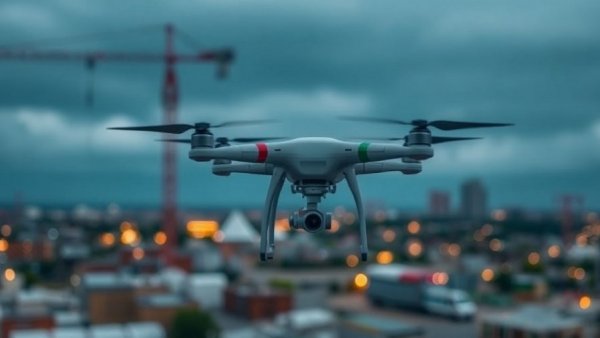
The recent incident involving a drone crash at a construction site in Manchester highlights critical concerns regarding the challenges of operating automated drone missions in dynamic environments. With the drone equipped with an obstacle avoidance system, the question raises itself: what went wrong?

Dynamic Challenges of Construction Sites

Construction sites are highly fluid environments where operations constantly evolve. Cranes, scaffolds, and machinery change positions daily, drastically altering the landscape that drones must navigate. Flyby Guys, a significant player in drone operations, notes that even established flight paths can become hazardous overnight due to these changes. The importance of conducting a pre-flight site survey before every mission cannot be overstated. This approach not only enhances safety but also allows pilots to reassess flight paths based on the most recent data.

Debunking the Myths Surrounding Obstacle Avoidance

While obstacle avoidance technology serves as a significant advancement in drone operations, it should never be viewed as a foolproof safety measure. Different drones possess varying capabilities regarding obstacle detection, influenced by factors such as lighting, material, and the size of the obstacles. Crane cables, for example, are notoriously difficult for drones' sensors to detect. Relying solely on such technology can lead to disaster, as seen in the Manchester incident. Drone pilots must maintain a keen situational awareness and be proactive in visually assessing their surroundings.

The Future of Drone Operations: BVLOS and Dock-Based Solutions

The notion of drone-in-a-box systems and Beyond Visual Line of Sight (BVLOS) operations presents exciting possibilities for the construction industry. These technologies cater to safety and operational efficiency, potentially reducing the manual labor involved in drone management. Yet, as the Manchester incident illustrates, the successful integration of such systems can only be achieved when pilots remain engaged in the safety protocols and assessment processes.

Essential Lessons for Industry Professionals

Lessons learned from the Manchester accident serve as a wake-up call for drone operators in construction. Awareness of the limitations of automation and technology must be central to current and future drone operations. Continuous education regarding obstacle avoidance capabilities, along with active inspection of flight conditions, is paramount. Industry professionals should share these insights to foster a community of safety-conscious operators who do not underestimate the complexities of their environment.

Conclusion: Staying Ahead in Drone Operations

As the drone technology evolves, it remains vital for drone operators to blend advanced technologies with responsible operational practices. The insights from the Manchester incident should resonate with all in the field, reinforcing the value of preparation and vigilance. Whether you are a tech enthusiast, industry professional, or hobbyist, understanding these nuances not only enhances safety but also paves the way for innovation in drone applications.
Drone Applications

3 Views

0 Comments

Write A Comment

*
*
Please complete the captcha to submit your comment.
Related Posts All Posts
11.14.2026

Revolutionary Drone Delivery: Chipotle's First Burrito Drop on PGA Tour

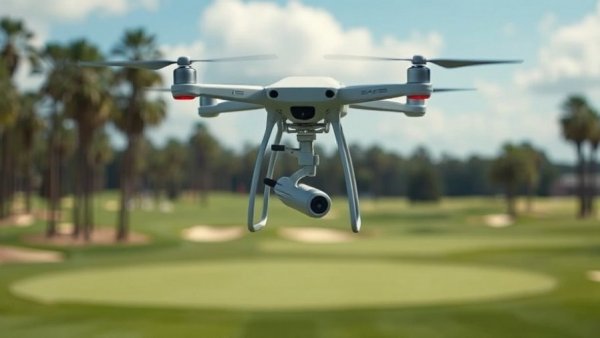
Update Drone Delivery Innovations at the 18th HoleIn a stunning display of innovation, Chipotle and Zipline have ushered in a new era of food delivery—one that uses drones to serve freshly prepared meals directly to golfers on the course. This unprecedented event took place at the Fazio Canyons course at the Omni Barton Creek Resort & Spa in Austin, Texas. Professional golfers Joel Dahmen and Mark Hubbard enjoyed their Chipotle meals, showcasing just how far delivery technology has come. “Usually after a round, we’re the ones making a Chipotle run. This time, Chipotle came to us,” said Dahmen, highlighting the convenience that drone delivery offers even in unpredictable environments.Changing the Landscape of Food DeliveryThis promotional event not only showcases the partnership between Chipotle and Zipline but also emphasizes the shift toward convenience-driven solutions in food services. Historically, food delivery has been confined to residential areas or commercial locales, but with the advent of drone technology, customers can now receive their meals in unexpected and hard-to-reach locations. With the service currently available in Dallas and Austin, this initiative is broadening Chipotle's reach beyond traditional delivery, demonstrating the limitless possibilities of drone logistics.The Future of Drone Delivery: Predictions and PossibilitiesAs companies like Chipotle look to innovate, predictions for the future of drone delivery suggest exponential growth. Zipline has ambitions to increase delivery numbers dramatically, even proposing up to 130,000 daily drone deliveries in Arizona, echoing a larger trend of heightened consumer demand for instant gratification. This forward-thinking approach not only enhances customer experiences but also raises questions about regulatory frameworks and infrastructure adaptation.Emotional Connections and Culinary ExperiencesThe playful interaction between technology and everyday experiences took center stage with this drone delivery. “When your burrito can meet you on 18, it makes you rethink what’s possible,” remarked Dahmen. This statement underscores a fundamental truth: in an era where technology and daily life intersect, each innovation creates emotional touchpoints, enhancing customer connections to brands and services.Industry Impact: A Broader PerspectiveWhile this event was a marketing stunt, it is also a significant indicator of how industries might evolve due to drone technology. Expert insights reveal that as restaurants like Chipotle embrace drone deliveries, other sectors—such as retail and healthcare—might also start integrating similar services. The implications stretch beyond convenience; they hint at redefining standards in consumer expectations and competitive landscapes, adding urgency for businesses to stay ahead of the technological curve.Take Action: Embrace the Future of DeliveryAs we stand on the brink of a delivery revolution, it’s essential for consumers and businesses alike to explore how these advancements can be leveraged. Consider how drone delivery innovations could impact your daily life or business operations. Are you ready to embrace the future?

11.13.2026

Essential Lessons from the DJI M300 Crash for UK Police Drone Operations

Update Understanding the Implications of the DJI M300 IncidentIn June 2026, a DJI M300 drone operated by UK police faced a catastrophic failure that resulted in an in-flight crash. Although there were no injuries or property damage, this incident highlights crucial lapses in safety protocols that could have serious implications for public safety and emergency operations. The emergency services had been using the drone to surveil a residential area when it unexpectedly started spinning uncontrollably. This prompted the operator to apply considerable focus on pre-flight checks moving forward.Safety Precautions in Drone OperationsThe crash of the DJI M300 drew attention to existing safety measures—or lack thereof—in drone operations within emergency services. Following the incident, a Safety Notice (SN) was issued requiring mandatory pre-flight checks to secure motor arm locking mechanisms. Previously, such checks were not part of standard operating procedures. This emphasizes the importance of thorough pre-flight inspections, particularly involving components that could lead to serious accidents if neglected.The Role of Technology in Emergency ServicesThe integration of drones like the DJI M300 in emergency operations is a step forward, enabling real-time situational awareness and improved surveillance. However, this incident underscores the significance of ensuring that such advanced technologies come with stringent operational guidelines. The functionality of drones is highly dependent on both the technology itself and the human operators managing them. As such, comprehensive training and updated resource materials are imperative to prevent similar mishaps in the future.Lessons Learned: Enhancing Drone Safety ProtocolsThere is a clear lesson to glean from the DJI M300 incident: preventing technological failures must start at the operational level. The National Police Chiefs’ Council (NPCC) has recognized the need for improved safety norms and has made recommendations following the crash. First, ensuring all crews have access to a comprehensive checklist that includes checking the security of motor arms can prevent future incidents. Second, ongoing evaluation and adaptation of safety protocols are necessary to account for technological advances and operational contexts.The Future of Drone Use in Law EnforcementAs drones continue to revolutionize the landscape of law enforcement and emergency response, it is essential for agencies to adopt a proactive stance on safety. The changes implemented after the DJI M300 crash serve as a pivotal moment for police drone operations, emphasizing the need for accountability and continuous improvement in flight operation safety. With proper training, rigorous checks, and responsive adaptation to new technology, drones can significantly enhance the capabilities of law enforcement while keeping the public safe.In conclusion, while the usage of drones in emergency services shows great potential, incidents like the DJI M300 crash remind us that vigilance in safety protocols must accompany technological advancement. Ensuring safe operational practices will not only protect the drones themselves but also enhance the efficacy of police and emergency response efforts.

11.12.2026

FAA's Historic Drone Authorization Opens Up New Opportunities Over Gulf Coast

Update FAA Breaks New Ground with Historic Drone Authorization The Federal Aviation Administration (FAA) has taken a monumental step in the world of aviation by granting its inaugural authorization for a drone to operate beyond the operator’s visual line of sight (BVLOS) from the U.S. coastline, specifically over the Gulf of Mexico. Announced on November 9, this significant milestone sets the stage for expanded drone operations that promise to revolutionize various industries. Innovative Operations for Industry and Infrastructure The FAA’s authorization allows *Skyways* to operate its autonomous V2 vertical takeoff and landing (VTOL) aircraft from Shell’s SPLC facility in Gibson, Louisiana, to a Shell oil platform in the Gulf. This operation will include a pipeline right-of-way inspection and a simulated delivery of equipment, essentially demonstrating the potential of drones in supporting critical infrastructure initiatives. Unlocking the Future of Drone Technology As America pushes forward in advancing drone technology, this authorization not only showcases the commitment of the FAA to foster innovation but also emphasizes the need for a regulatory framework that can keep pace with these advancements. Acting FAA Deputy Administrator Liam McKenna mentioned, "This first-of-its-kind authorization demonstrates how we are working with industry to move beyond traditional operating limitations, enabling the next generation of commercial drone operations.” Regulatory Framework and Safety Concerns Under Section 927 of the Reauthorization Act of 2024, the FAA can approve certain drone operations through a waiver, enabling significant flexibility compared to conventional rulemaking or exemptions. This change aims to promote safe and innovative operations while addressing industry demands for expanding drone capabilities. Implications for the Drone Industry This groundbreaking authorization allows the U.S. to assert its dominance in drone innovation, providing a template for future operations both domestically and globally. As the drone industry continues to evolve, this move may also push other nations to adopt similar operational regulations, thus increasing competition on the world stage. Future Outlook: Driving Change in Diverse Sectors With the successful implementation of these drone operations, we can expect a range of applications that could enhance sectors such as logistics, energy management, and disaster response. The use of drones for infrastructure inspection and equipment delivery sets a precedent that could lead to more effective and safer operations in offshore environments. This historic development underscores how American ingenuity can transform industries; as drones become more integrated into everyday operations, they not only optimize efficiency but also change how businesses operate. It's worth noting that the research community is closely watching these developments, as they may inform future innovations in autonomous technologies.

Drone Central Station

Drone Central Station is your HQ for all things drone. Keep up-to-date with advances in drone tech, drone usage, and new products. Get tips, product reviews, and more.

  • Drone Central Station

COMPANY

  • Privacy Policy
  • Terms of Use
  • Advertise
  • Contact Us
  • Menu 5
  • Menu 6

(510) 393-8174

AVAILABLE FROM 8AM - 5PM

City, State

, Oakland, CA

ABOUT US

Drone Central Station is your HQ for all things drone. Keep up-to-date with advances in drone tech, drone usage, and new products. Get tips, product reviews, and more.

© 2026 CompanyName All Rights Reserved. Address . Contact Us . Terms of Service . Privacy Policy

Terms of Service

Privacy Policy

Core Modal Title

Sorry, no results found

You Might Find These Articles Interesting

T
Please Check Your Email
We Will Be Following Up Shortly
*
*
*