
cropper
Drone Central Station
  • Home
  • Categories
    • Drone Tech
    • Drone Applications
    • Drone Racing
    • Accessories
    • Real Estate
    • Military
    • Disaster
    • Drone Footage
    • Product Reviews
    • Business Profiles
November 10.2026
2 Minutes Read

Amazon Prime Air's SAIL 4 Approval: Revolutionizing Drone Deliveries in the UK

Amazon’s Prime Air secures the world’s first SAIL 4 approval from the UK Civil Aviation Authority

The Dawn of a New Era in Drone Delivery

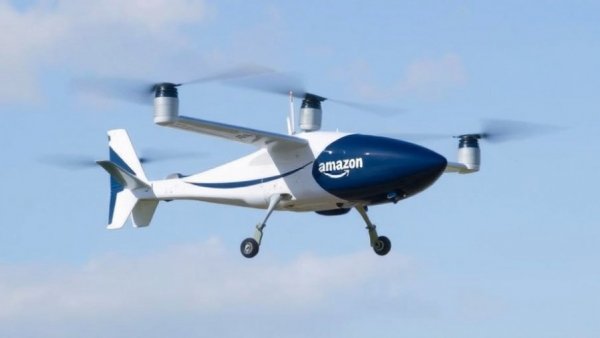
Amazon's Prime Air has made waves in the drone industry by becoming the first in the world to secure a SAIL 4 (Specific Assurance and Integrity Level 4) Operating Authorisation and Flightworthiness Validation from the UK Civil Aviation Authority (CAA). This groundbreaking achievement not only enhances Amazon's operational capabilities in Darlington, England, but also reshapes the future of delivery logistics.

A Stricter Standard for Safety

The SAIL 4 approval is no small feat; it signifies that Prime Air’s operations, aircraft, and safety protocols have undergone extensive scrutiny against the most stringent standards in the drone sector. The CAA's rigorous assessment has set a new benchmark for drone safety, showcasing the commitment to modernizing regulations while ensuring the security of drones operating in urban environments.

Transformative Impact on Delivery

With this new authorization, Prime Air significantly expands its service reach, growing the number of eligible customers from approximately 600 to around 8,000 in Darlington alone. This move not only allows Amazon to offer deliveries in under two hours but also promises increased access for urban communities that previously could not be served efficiently by traditional delivery mechanisms. The aim is clear: enhancing customer satisfaction through speed and reliability.

Innovative Features of the MK30 Drone

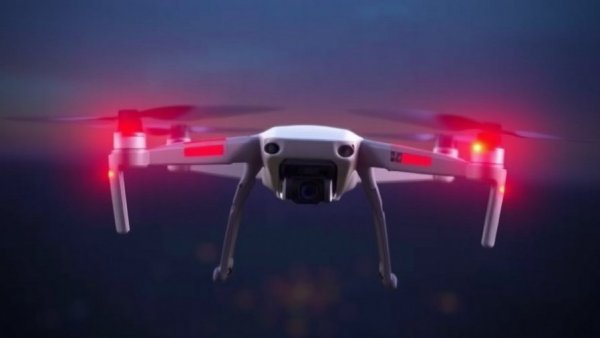
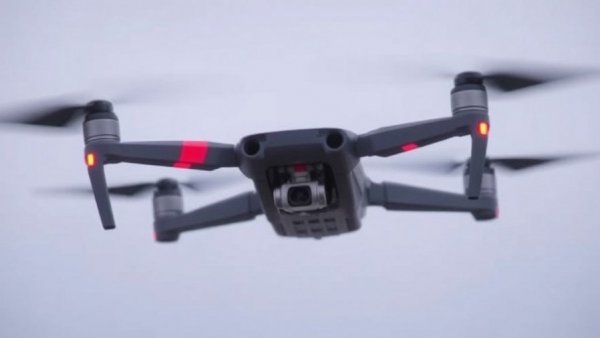
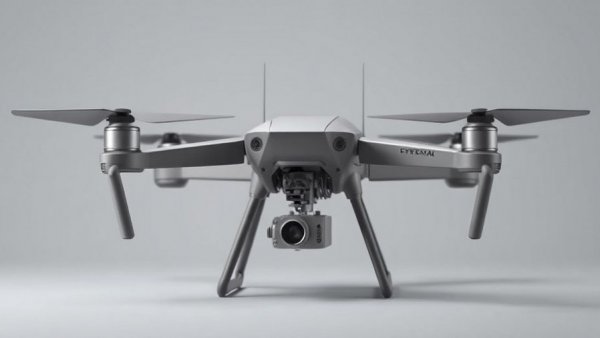
At the heart of this advancement is the MK30 drone, which features an state-of-the-art detect-and-avoid system, powered by sophisticated machine-learning algorithms. This technology ensures that the drone continuously assesses its environment, identifying potential obstacles such as trees or power lines, and adapting its flight path accordingly. Such innovations demonstrate Amazon's commitment to safety and operational integrity.

The Bigger Picture: A Step Towards Nationwide Integration

While the focus is on Darlington, the implications of this approval extend far beyond one city. The successful implementation of drone deliveries in a densely populated area could lay the groundwork for broader adoption across the UK, paving the way for future expansions nationwide. Both the public and private sectors are observing this development closely as they contemplate similar integrations within their own frameworks.

Conclusion: Embracing the Future of Logistics

The approval of Amazon’s Prime Air demonstrates the fusion of technology with regulatory foresight. As drone operations become more prevalent and accepted in society, they carry with them the promise of revolutionizing logistics and delivery services. With ongoing advancements and a clear focus on safety, the drone industry is poised to play a crucial role in shaping the future of commerce.
Drone Tech

0 Views

0 Comments

Write A Comment

*
*
Please complete the captcha to submit your comment.
Related Posts All Posts
11.10.2026

Facing Rising Drone Operator Fees: What Does It Mean for the Industry?

Update Understanding CAA's Recent Charge Increases The Civil Aviation Authority (CAA) proposes a 6.1% increase in drone operator charges effective April 2027. This hike is made up of 3.6% for indexation, 1.8% for legislative reform, and 0.7% for safety assurance, as detailed in their consultation document CAP 3324. While a 6.1% increase might sound manageable on its own, it marks the latest chapter in a series of hikes that have significantly affected commercial drone operators – the very group the CAA aims to support. The Cost Burden on Operators Since registration began in 2019, fees have been steadily climbing. The initial operator ID cost £9 annually and has seen yearly increases, reaching £12.34 this year. Assuming the new proposal goes through, operators will pay around £13.09 per year, a staggering 45% increase since its inception. For commercial drone users, the situation is even steeper: the price for a standard operational authorization has soared from £253 in 2020 to a projected £556 by 2027, effectively tripling the cost in seven years. Impact on Business Sustainability Statistics reveal that drone users are now the largest customer group for the CAA. However, these loyal users contribute relatively small revenues per individual, leading to significant cumulative fees. For instance, operator registrations and PDRA01 application fees alone suggest drone charges bring in less than 4% of the CAA’s total revenue, raising questions about financial necessity versus policy choice. If the CAA were to hold fees steady, it would only mean a minor trade-off against their overall revenue. Key Metrics to Consider The rise in drone charges hasn't gone without notice. Recent data shows a 22% decline in PDRA01 applications, suggesting that increased charges may deter potential operators. In contrast, the number of flyer IDs and operator registrations for recreational flying has surged. This suggests a worrying trend where sectoral growth in commercial drone operations may be stifled by rising fees, while recreational flying enjoys a boom. A Call for Clarity from the CAA Given the ongoing price increases, it is imperative for the CAA to clarify what tangible benefits operators receive in return for these escalating costs. Operators are not just attempting to manage their own expenses; they are also responding to a regulatory landscape that seems increasingly unfriendly toward growth in a sector vital for technological advancement in society. For instance, stakeholders express frustrations over the regulatory burdens and question the effectiveness of the CAA's assurances about safety and industry growth. Moving Forward: A Potential Shift in Dialogue Addressing these matters openly, with constructive dialogues between the CAA and drone operators, might create a more sustainable operating environment. Such discussions could lead to innovative solutions that protect and promote both safety and economic growth. As stakeholders in the drone industry, both commercial operators and recreational flyers deserve a transparent approach to future regulations and associated costs.

11.10.2026

How the New DroneScanner Lets Ukrainian Operators Monitor Russian FPV Feeds

Update Revolutionizing Drone Surveillance in Ukraine Ukrainian defense technology developer December1 has made waves in military technology with their recent introduction of the DroneSensor Providence. This innovative radio-frequency scanner is designed specifically for the task of detecting unmanned aerial vehicle (UAV) communication channels while simultaneously intercepting real-time video feeds from FPV drones. This leap in technology was notably showcased during the IRON HALLOWEEN PARTY 2026, underscoring its potential impact on modern warfare. How Providence Works: A Closer Look Operating within the 600-8500 MHz range, Providence boasts an impressive UAV signal detection radius of up to 30 kilometers. The system dynamically scans airwaves to identify different types of signals, including analog video channels and digital systems such as those used by Russian Geran-type strike drones. This array of capabilities allows operators to intercept real-time video feeds from enemy drones, gaining critical intelligence that could shift the tides in various conflict scenarios. A Multifaceted Defense Solution What sets Providence apart is its integration within a broader anti-drone defense system offered by December1. The company’s intention is to merge drone detection and disruption capabilities within a singular framework, enhancing the operational efficiency of military units. The scanner is designed to collaborate with other systems—such as the Damba electronic warfare complex—allowing it to not only identify threats but also to relay that data for electronic jamming operations. Flexible Deployment Options: From Ground to Air Providence is designed with versatility in mind, suitable for different operational contexts. It can be deployed in stationary positions to monitor critical infrastructural sites or mounted on vehicles for mobile applications. Such adaptability allows it to operate effectively in various environments, from the front lines to urban centers, assisting forces not only in surveillance but also in offensive operations. Its ability to aid in the targeting of enemy installations, as demonstrated in recent conflicts, highlights its significance in contemporary military strategy. Production Capabilities and Future Projections The demand for such cutting-edge systems has led to significant scaling in production. As stated by Ilya Kabachinsky, December1's International Development Director, the company is poised to increase production from hundreds to thousands of units monthly starting in 2027. This ambitious expansion aims to equip the Ukrainian Defence Forces with necessary tools that align with modern combat needs. Conclusion: The Future of Aerial Defense Technology The introduction of technology such as the Providence UAV scanner is a testament to the rapid advancement of military drone technology. As warfare becomes increasingly technical and data-driven, developing systems that can integrate detection with response capabilities becomes crucial. The demand for versatile, agile defense mechanisms like the Providence scanner will only grow in future defense strategies. For those interested in the evolving landscape of drone technology, especially its military applications, companies like December1 are paving the way for important innovations that shape how modern conflicts are fought. Stay tuned to see how these developments unfold and their implications for the future of aerial defense.

11.10.2026

Navigating the Challenges of Drone Collision Avoidance: No One-Size-Fits-All Solution

Update Understanding the Dilemma of Drone Collision Avoidance TechnologyIn the rapidly evolving world of drones and advanced aerial mobility (AAM), the challenges of collision avoidance are becoming increasingly complex. At the recent AUVSI Drone and AAM Policy Symposium held in Washington, DC, industry leaders from the FAA and NASA, among others, gathered to discuss the critical requirements for supporting routine beyond visual line of sight (BVLOS) operations.A pivotal issue highlighted during the symposium is that no single technology effectively meets every drone collision avoidance need. Christian Ramsey of uAvionix summarized this dilemma well: "There is no perfect sensor." Technologies such as radar, cameras, and cooperative systems each present unique strengths and weaknesses, making them suitable for different applications. For instance, while radar offers in-depth distance measurement capabilities, it often adds considerable weight to the drone.Technology Trade-offs: What’s Best for Which Situation?The balancing act between weight, range, and performance becomes starkly apparent when examining operational use cases. A small delivery drone operates under vastly different constraints compared to a larger commercial aircraft. Cameras, despite their capability to provide rich visual data, grapple with challenges surrounding distance measurement and data processing. In contrast, cooperative technologies like transponders and ADS-B systems enable aircraft to share critical information, enhancing situational awareness—yet they depend on the existence of compatible equipment on other aircraft.Moreover, advances in computer vision and machine learning may fundamentally transform our approach to collision avoidance. Dr. Chester Dolph from NASA indicated that these technologies could enhance camera performance while lightening their weight, which could be revolutionary for the drone industry. However, the variability of environments and the diverse types of aircraft present significant challenges that need addressing.The Regulatory Landscape: Harmonizing Standards and TechnologyAs the industry pushes toward BVLOS operations, regulatory frameworks also must evolve. Marcus Cunningham from the FAA indicated that the long-anticipated Part 108 rule aims to establish a standardized regulatory approach for BVLOS operations, eliminating the often cumbersome process of individual waivers. He asserted that, "we’ve never been closer" to completing the rule, signifying a potential breakthrough in easing regulatory burdens for drone operators.However, the regulatory landscape reflects a wider issue of ensuring that technology and safety requirements advance in tandem. Manufacturers require clear standards for development, while regulators need assurance that emerging technologies meet stringent safety protocols. This delicate interplay shapes the future of collision avoidance systems.Looking Ahead: The Future of Drone Collision AvoidanceThe discourse at the symposium indicates a clear pathway forward. The evolution of drone collision avoidance technology rests not solely on selecting the right sensors but involves a multifaceted approach that incorporates diverse operational contexts, equipment costs, and sophisticated detection capabilities.Despite the obstacles, the commitment of industry leaders towards establishing a balanced framework for BVLOS operations, alongside advancements in sensing technologies, suggests that the future of drone safety is on the horizon. As the market for drone applications continues to expand, the resolution of collision avoidance challenges will play a crucial role in shaping not only the safety of individual flights but also the future regulatory environment surrounding drone operations.

Drone Central Station

Drone Central Station is your HQ for all things drone. Keep up-to-date with advances in drone tech, drone usage, and new products. Get tips, product reviews, and more.

  • Drone Central Station

COMPANY

  • Privacy Policy
  • Terms of Use
  • Advertise
  • Contact Us
  • Menu 5
  • Menu 6

(510) 393-8174

AVAILABLE FROM 8AM - 5PM

City, State

, Oakland, CA

ABOUT US

Drone Central Station is your HQ for all things drone. Keep up-to-date with advances in drone tech, drone usage, and new products. Get tips, product reviews, and more.

© 2026 CompanyName All Rights Reserved. Address . Contact Us . Terms of Service . Privacy Policy

Terms of Service

Privacy Policy

Core Modal Title

Sorry, no results found

You Might Find These Articles Interesting

T
Please Check Your Email
We Will Be Following Up Shortly
*
*
*