


Agri Spray's Bold Transition to U.S. Drone Manufacturing
Boonville, Missouri-based Agri Spray is poised to transform its business model, aiming to replace foreign components in agricultural drones with entirely American-made parts over the next five years. The company has announced a strategic pivot in response to shifting regulations from federal agencies like the Federal Communications Commission (FCC) and the U.S. Department of War (DoW), which have imposed stricter rules on the importation and use of foreign-made drones, particularly those produced by nations deemed unfriendly to the United States.
Understanding the Shift: Legal Pressures and Market Needs
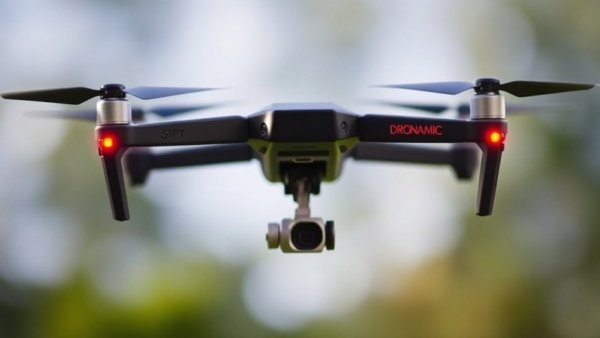
The catalyst for Agri Spray's maneuver is the pressing need for local production in light of new regulatory limitations. The FCC's recent proposals specifically target foreign-manufactured drones and components, imposing tough restrictions that encompass devices it classifies as “military-grade.” Such definitions can apply to agricultural drones used for purposes like dispensing pesticides, raising valid concerns about both data and supply chain security. Taylor Moreland, the founder and CEO of Agri Spray, emphasized this urgency: “The U.S. government wants to make sure that the drones flying over U.S. skies are controlled by U.S. companies.”
Benefits of a Domestic Supply Chain
Agri Spray’s transition towards manufacturing domestically represents an opportunity not only for the company itself but also for the U.S. agricultural drone industry. Developing a local supply chain reduces vulnerability to foreign adversaries, while ensuring better control over technology and data. This initiative may spark job creation in technology and manufacturing sectors, positively impacting the local economy.
Obstacles in the Way of Manufacturing
While the vision is clear, hurdles remain. Moreland noted the unavailability of critical components necessary for drone manufacturing—including motors and batteries—remains a significant challenge. “Could we build a 100 percent US-made spray-drone? Yes. But building 5,000 of them by next year? No, that capacity currently does not exist,” he stated.
This highlights an essential aspect of strategic planning: while Agri Spray is committed to a gradual transition to full American manufacturing, it will initially rely on some foreign components. As a first step, the company plans to begin in-house software development, enhancing its technological capabilities right here in Missouri.
The Five-Year Transition Plan: Steps Ahead
In the immediate future, Agri Spray is set to start assembling drones with foreign components while developing domestic capabilities for the software needed to operate these sophisticated machines. They plan to leverage the DoW and FCC's conditional approval to maintain these foreign supply chains legally during the transition.
Looking into the Future: Insights and Opportunities
This shift not only speaks volumes about Agri Spray’s resilience but also raises questions about the future of the agricultural drone industry as a whole. As other companies adapt to similar regulations, we may witness a broader trend towards domestic manufacturing across various tech sectors. This transition could provide significant economic benefits and foster innovation within the U.S. drone industry.
For tech enthusiasts and industry professionals, the evolution of drone manufacturing is paramount. As Agri Spray and other companies adapt to new regulations, they set the stage for future advancements that could reshape agricultural practices in the U.S.
In summary, the journey to revamping the U.S. agricultural drone market is underway. With Agri Spray leading the charge, its approach not only aims for compliance with federal regulations but also seeks to innovate and secure a vital industry for the future.



Write A Comment